I started making Asian Coleslaw when I wanted something quick that didn’t feel heavy but still added a lot of crunch to the plate. It’s one of those recipes that comes together fast, so you don’t really need much planning.
I usually bring it out when I want a side for lunch or dinner, but I’ve also had small bowls as a snack when I wanted something fresh. It’s simple, it’s quick, and it always feels like a nice balance to richer dishes.
What is Asian Coleslaw?
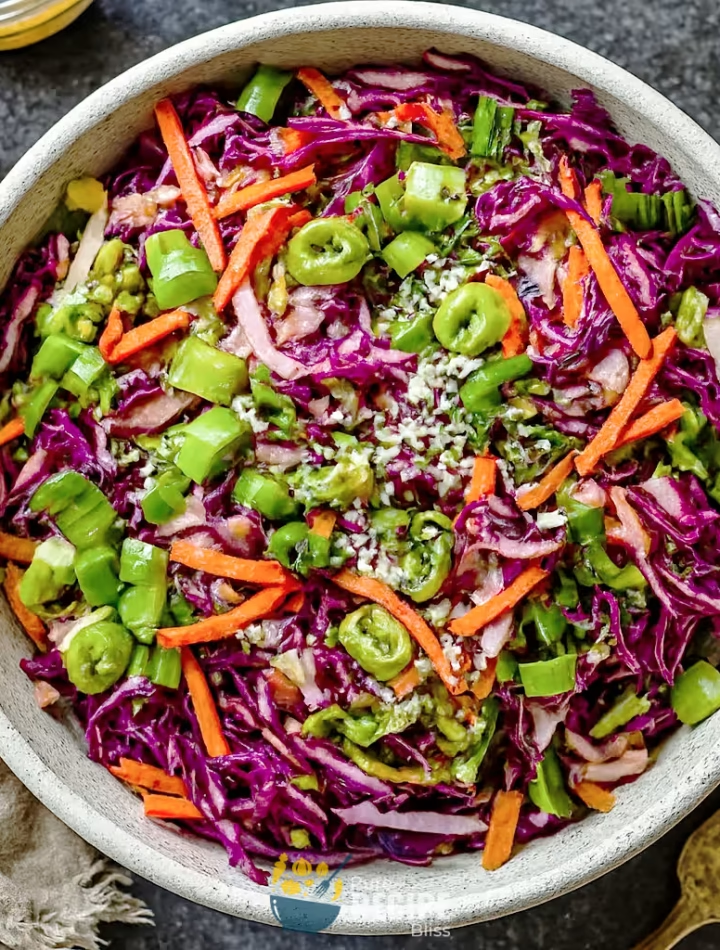
Asian Coleslaw is basically a crunchy salad made with shredded cabbage, carrots, herbs, and a sesame-based dressing instead of the usual creamy one. It’s colorful, fresh, and has that mix of tangy, nutty, and slightly spicy flavors that make it stand out from regular coleslaw.
Most people enjoy it as a side dish, and I’ve noticed it works really well next to grilled meats, noodles, or even seafood. It’s often served chilled, which makes it refreshing, and it’s one of those recipes that feels at home on both casual weeknight tables and bigger gatherings.
Why You’ll Love This Recipe:
- Quick to make: You don’t need much time at all, because the vegetables are just chopped and tossed, and the dressing mixes together in minutes, so it feels very doable even on a busy day.
- Crunch that lasts: I noticed that when I kept the dressing separate until serving, the cabbage and carrots stayed crisp, so you don’t end up with a soggy salad the next day.
- Easy to adjust: If you like more heat, you can add extra red pepper flakes, or if you prefer it mild, you can leave them out, so it’s simple to change based on taste.
- Works for different meals: I’ve served Asian Coleslaw with grilled chicken for dinner, but I’ve also added it to a sandwich at lunch, and once even had a small bowl as a snack, so it fits into different times of the day.
- Nutty flavor boost: Toasting the sesame seeds before sprinkling them in makes the flavor stronger, and I found that little step makes the whole dish taste better.
Ingredients Needed:
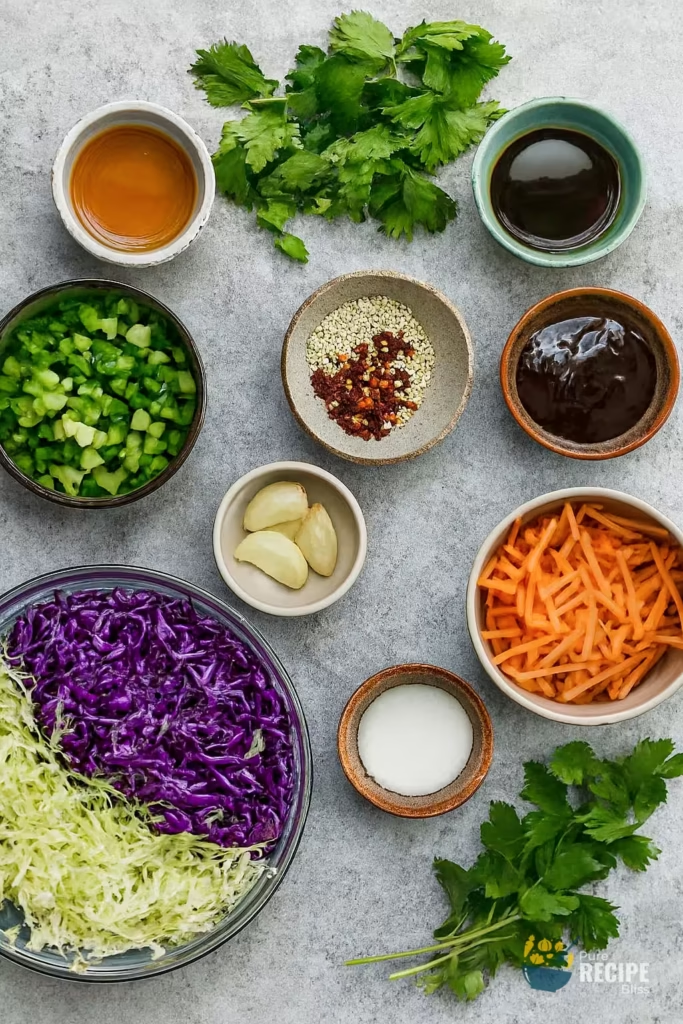
- Red cabbage: This adds color and crunch, and I usually slice it thin because it holds up well in the dressing without getting soggy too quickly.
- Green cabbage: It balances the flavor and texture, and I like mixing it with red cabbage so the salad looks brighter and more inviting.
- Carrots: These bring a little sweetness and extra crunch, and I find that cutting them into matchsticks works better than grating since they don’t release too much water.
- Cilantro: It gives a fresh taste, and if you’re not a fan, you can swap it with parsley or even Thai basil for a different twist.
- Green onions: They add a mild sharpness, and I usually slice them thin so they blend in without overpowering the other flavors.
- Sesame seeds: Toasting them quickly in a pan makes them more fragrant, and I think that small step really changes the flavor.
- Rice vinegar: This gives the dressing a tangy kick, and if I don’t have it, I sometimes use apple cider vinegar as a backup.
- Soy sauce: It adds saltiness and depth, and I usually taste the dressing before pouring to make sure it’s balanced.
- Oyster sauce: This adds extra umami, but if you don’t have it, the recipe still works fine without it.
- Sesame oil: A little goes a long way, and I prefer toasted sesame oil because it makes the dressing richer.
- Sugar: Just enough to balance the vinegar and soy sauce, and I sometimes adjust depending on how tangy the mix feels.
- Red pepper flakes: These bring heat, and I usually keep them light so the salad doesn’t get too spicy, but you can add more if you like.
- Garlic and ginger: Freshly minced garlic and grated ginger make the dressing taste sharper and more lively, and I think they’re worth the extra minute of prep.
💡 Note: For the full ingredient list with exact amounts and measurements, please check the recipe card below.
Step-By-Step Instructions to Make Asian Coleslaw:
One small thing I learned while making Asian Coleslaw at home is that the way you slice the cabbage really changes the texture. When I cut it too fine, it felt limp, but when I kept the slices a little thicker, it stayed crunchy even after mixing with the dressing.
Step 1: Make the Dressing
Start by putting together the dressing ingredients. You can whisk them in a bowl or blend them quickly in a small processor. The mix should look smooth and slightly glossy, not separated. Taste it before you move on, and if it feels too sharp then add a little more sugar, and if it feels too sweet then add a splash more soy sauce.
Step 2: Prep the Vegetables
Slice the cabbage into thin strips, but not paper-thin, so it keeps its crunch. Cut the carrots into matchsticks instead of grating, because grated carrots release too much water. Chop the cilantro and green onions into small pieces so they blend in without taking over. Keep everything in a large bowl, and if you have time, chill the veggies for a bit because cold vegetables taste fresher when tossed.
Step 3: Combine and Toss
Pour the dressing over the vegetables right before serving. Use tongs or clean hands to toss everything together until the cabbage looks evenly coated and shiny. The sesame seeds go in last, and I like to toast them lightly first because it makes the flavor stronger. The salad should look colorful and feel crunchy when you bite into it.
Step 4: Serve and Enjoy
Transfer the coleslaw to a serving dish and place it on the table. It works well as a side dish, but I’ve also used it inside wraps and sandwiches. The flavor is fresh and balanced, and it adds a nice crunch to whatever you pair it with.
💡 Note: These steps are just an overview. For detailed quantities, measurements, and exact timings to make this recipe, please check the recipe card below.
Helpful Tips For The Best Results:
- Texture matters: Slice the cabbage thin but not too thin, because if it’s cut too fine it loses crunch quickly, and I found that slightly thicker strips hold up better once the dressing is added.
- Heat control: When adding red pepper flakes, start small, because it’s easy to make the dressing too spicy, and I usually taste first before deciding if I want more heat.
- Ingredient swaps: If you don’t have rice vinegar, apple cider vinegar works fine, and I’ve tried it myself when I ran out, and the flavor was still balanced.
- Sesame seeds tip: Toast them in a dry pan until they smell nutty, but don’t walk away, because they burn fast, and once they burn the flavor turns bitter.
- Dressing balance: Always taste the dressing before pouring, because sometimes it needs a little more sugar or soy sauce depending on how strong the vinegar feels.
Tasty Variations to Try:
- Herb swap: Replace cilantro with Thai basil or parsley if you want a different flavor, and I’ve tried basil once and it gave the salad a more aromatic taste.
- Protein boost: Add grilled chicken, shrimp, or tofu to make it more filling, and I’ve done this when I wanted it to be more of a main dish instead of just a side.
- Crunch upgrade: Mix in roasted peanuts or almonds for extra crunch, and I think it makes the salad feel more satisfying.
- Seasonal twist: In summer, I sometimes add thin slices of cucumber for freshness, and in winter, I’ve added shredded apple for a touch of sweetness.
- Dressing change: Try swapping the sesame dressing with a peanut-based dressing if you want a richer flavor, and it works well when you’re serving it with noodles.
Serving Suggestions:
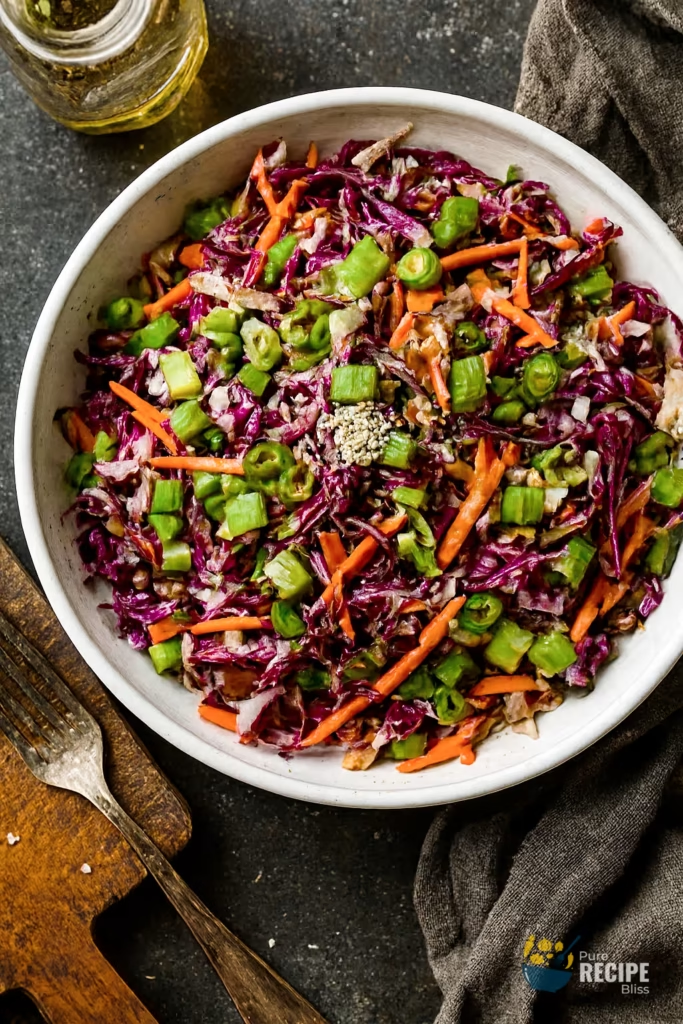
1. Serve with grilled chicken:
Asian Coleslaw pairs well with grilled chicken because the crunch and tangy dressing balance the smoky flavor, and I’ve found it makes the plate feel lighter.
2. Perfect for seafood dishes:
It works nicely with shrimp skewers or baked fish, since the freshness of the slaw cuts through the richness of the seafood.
3. Pairs well with noodles:
I like adding it next to miso or sesame noodles, because the textures go together and the flavors don’t compete.
4. Add to wraps or sandwiches:
You can tuck a handful inside a wrap or sandwich, and it gives a crunchy bite that makes the meal more interesting.
5. Bring to gatherings:
It’s easy to make ahead, so I often prepare it for potlucks or family dinners, and it always gets finished quickly.
Storage & Reheating Tips:
- How long it keeps: Asian Coleslaw stays fresh for a few days if you store the vegetables and dressing separately, and I’ve noticed the crunch lasts better when they are not mixed too early.
- Best storage method: Keep the chopped vegetables in an airtight container in the fridge, and place the dressing in a sealed jar, because this way both hold their flavor and texture longer.
- Simple reheating advice: Since it’s a cold salad, you don’t really reheat it, but if the veggies feel too soft after a day, I usually add a handful of freshly sliced cabbage to bring back the crunch.
Frequently Asked Questions (FAQ):
-
Can I use pre-shredded coleslaw mix?
Yes, you can, but I’ve noticed that fresh cabbage holds its crunch longer, so I usually prefer slicing it myself when I have the time.
-
Can I make Asian Coleslaw ahead of time?
Yes, but it’s better to keep the dressing separate until serving, because mixing too early makes the vegetables lose their crisp texture.
-
What if the coleslaw turns soggy?
If it feels watery, you can add a handful of freshly sliced cabbage or carrots to bring back some crunch before serving.
-
Is there a way to make it vegetarian or vegan?
Yes, just skip the oyster sauce or replace it with extra soy sauce, and the flavor still works well.
-
Can I adjust the spice level?
Yes, you can add more red pepper flakes or even a little chili oil if you want it hotter, or leave them out if you prefer it mild.
Asian Coleslaw
Description
Asian Coleslaw is a crisp and colorful salad made with shredded cabbage, carrots, herbs, and a sesame-soy dressing. It’s quick to prepare, refreshing, and works well as a side dish for grilled meats, seafood, or noodles.
Ingredients
Instructions
- In a small bowl, whisk together 2 ½ tablespoons rice vinegar, 3 tablespoons soy sauce, 1 teaspoon oyster sauce, 2 tablespoons sesame oil, 1 ½ tablespoons sugar, ½ teaspoon red pepper flakes, 2 minced garlic cloves, and 1 inch grated ginger until smooth and glossy.
- Place 3 cups shredded green cabbage, 2 ½ cups shredded red cabbage, ¾ cup matchstick carrots, ½ cup chopped cilantro, and 2 sliced green onions in a large mixing bowl. Toss lightly to combine.
- Pour the prepared dressing over the vegetables just before serving. Mix until everything looks evenly coated and shiny.
- Sprinkle 2 tablespoons toasted sesame seeds on top. Serve immediately or chill for about 5 minutes for extra crunch.
Notes
- Keep the dressing separate if making ahead, so the vegetables stay crisp.
- Toast sesame seeds in a dry pan for better flavor.
- If you prefer a milder taste, reduce soy sauce slightly and add a splash of water.
Nutrition Facts
Servings 4
Serving Size 1 cup
- Amount Per Serving
- Calories 210kcal
- % Daily Value *
- Total Fat 11g17%
- Saturated Fat 2g10%
- Sodium 880mg37%
- Potassium 610mg18%
- Total Carbohydrate 25g9%
- Dietary Fiber 6g24%
- Sugars 14g
- Protein 6g12%
- Vitamin A 6500 IU
- Vitamin C 100 mg
- Calcium 130 mg
- Iron 2 mg
* Percent Daily Values are based on a 2,000‑calorie diet, and your daily needs may be higher or lower depending on your lifestyle. Nutrition information is shared only as a general estimate and may not always be fully accurate. If you follow a special diet or have specific health concerns, it’s best to check with a registered dietitian for personalized guidance.