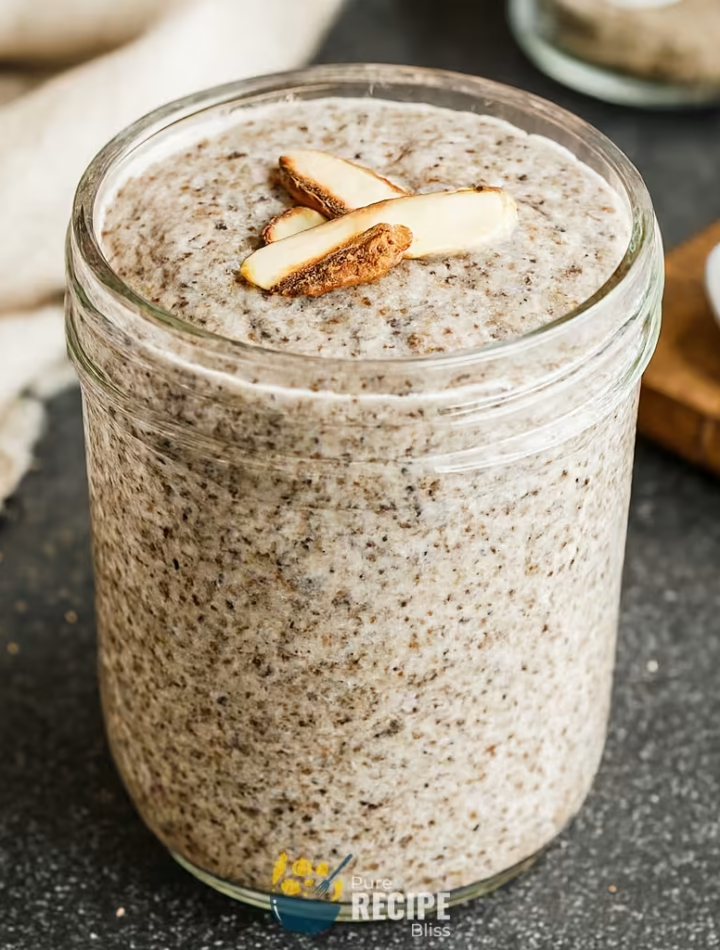
When I first tried making Almond Chia Pudding at home, I wasn’t sure if I would like the texture because chia seeds can feel a little unusual. After a few tries, I realized that blending the mixture made it smoother and closer to what I expected from pudding.
I also found that preparing it the night before saved me time in the morning, and it felt nice to have something ready without rushing. It became one of those recipes I kept coming back to whenever I wanted something filling but not heavy.
What is Almond Chia Pudding?
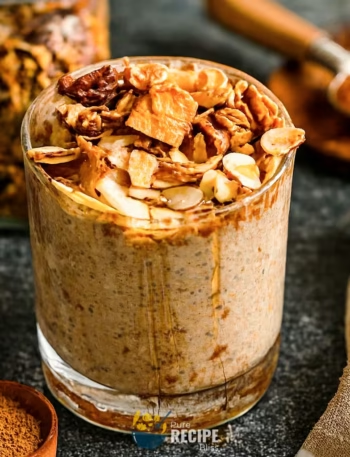
Almond Chia Pudding is basically chia seeds mixed with almond milk until they thicken up into a soft, pudding-like texture. The seeds absorb the liquid and turn slightly gel-like, which is what gives the dish its body.
Most people enjoy it cold, straight from the fridge, often topped with fruit, nuts, or a drizzle of something sweet. It’s usually served in jars or bowls because it sets nicely and is easy to portion out.
There isn’t a big cultural tradition behind it as it’s more of a modern plant-based recipe that’s become popular with people looking for dairy-free or wholesome options. What makes this version stand out is the almond flavor, which gives it a richer taste compared to plain chia pudding.
Why You’ll Love This Recipe:
- Quick to prepare: You only need a few minutes to mix everything together, and then the fridge does the rest of the work while you go about your day.
- Easy to adjust: You can make it sweeter, less sweet, thicker, or smoother depending on how you like it, and I’ve found that blending makes it taste more like traditional pudding.
- Nutty flavor boost: The almonds give it a richer taste compared to plain chia pudding, and I noticed that using almond flour saves time while still keeping the flavor strong.
- Great for planning ahead: I like that it keeps well in the fridge for several days, so you can make a batch and not worry about breakfast for the next few mornings.
- Flexible toppings: You can add fruit, nuts, or even a spoonful of nut butter, and I’ve learned that crunchy toppings like sliced almonds stay crisp if you add them right before eating.
Ingredients Needed:
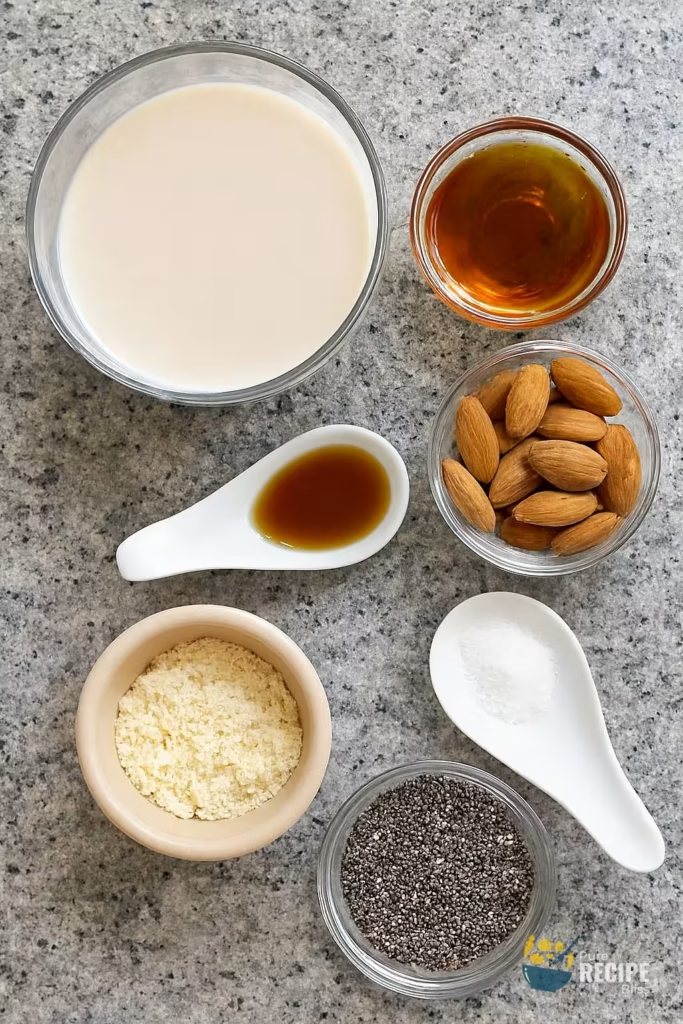
- Chia seeds: These are the base of the pudding, and they swell up when soaked in liquid. I’ve noticed that whisking them once after mixing helps keep the texture smooth instead of clumpy.
- Almond milk: Using unsweetened almond milk gives you control over sweetness. I sometimes add a splash more if the pudding feels too thick after sitting overnight.
- Almonds or almond flour: Grinding raw almonds gives a fresher flavor, but almond flour is quicker when I don’t want extra cleanup. Both work fine, so it depends on your mood.
- Sweetener: Maple syrup or dates are common, but I’ve tried honey too when I ran out, and it blended in nicely. If you want it low-carb, a sugar-free option works just as well.
- Vanilla extract: This rounds out the flavor, and I find that even a small amount makes the pudding taste more balanced.
- Almond extract: Optional, but it adds a stronger nutty taste. I usually add it when I want the almond flavor to really stand out.
- Salt: Just a pinch makes the sweetness pop. I once skipped it and the pudding tasted flat, so now I always add a little.
- Toppings: Sliced almonds are classic, but I like adding berries or granola right before serving so they stay fresh and crunchy.
💡 Note: For the full ingredient list with exact amounts and measurements, please check the recipe card below.
Step-By-Step Instructions to Make Almond Chia Pudding:
One small thing I learned while making this at home is that if you don’t stir the chia seeds after the first few minutes, they clump together at the bottom and the pudding feels uneven. So now I always give it a quick whisk halfway through soaking, and it makes a big difference.
Step 1: Soak the chia seeds
Start by mixing the chia seeds with almond milk in a bowl or jar. Stir slowly so the seeds don’t stick together. Let them sit until the mixture looks thicker and the seeds look swollen. I usually check after a short while and give it another stir because that keeps the texture smooth.
Step 2: Prepare the almonds
If you’re using whole almonds, grind them until they look like a fine powder. A coffee grinder works better than a blender because it gives a smoother texture. If you’re short on time, almond flour is fine too, but I noticed the flavor feels fresher when I grind the almonds myself.
Step 3: Blend the mixture
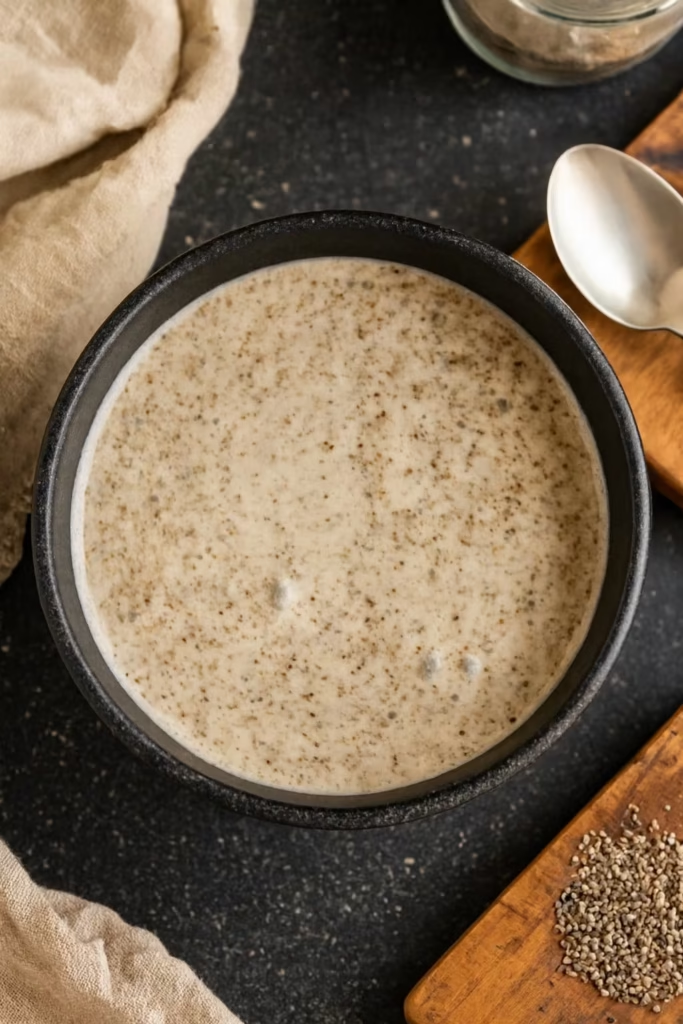
Add the soaked chia seeds, ground almonds, sweetener, vanilla, almond extract, and a pinch of salt into a blender. Blend until the pudding looks creamy and smooth. If you prefer a little texture, you can skip blending and just stir everything together. I personally like blending because it feels closer to traditional pudding.
Step 4: Taste and adjust
Once blended, taste the pudding. If it feels too thick, add a splash of almond milk. If you want more flavor, add a drop of almond extract or a little extra sweetener. I once added too much extract and it tasted overpowering, so now I add just a tiny bit at a time.
💡 Note: These steps are just an overview. For detailed quantities, measurements, and exact timings to make this recipe, please check the recipe card below.
Helpful Tips For The Best Results:
- Texture check: When you first mix the chia seeds with almond milk, they tend to sink and clump, so I always stir them once after a short while to keep the pudding smooth.
- Blending choice: If you want a creamy pudding, blending works best, but if you prefer a little crunch, just stir everything by hand. I learned that blending dates with the milk first avoids chewy bits later.
- Ingredient swap: Almond flour saves time compared to grinding almonds, but I noticed the flavor is fresher when I grind them myself. Both options work, so it depends on how much effort you want to put in.
- Salt reminder: A tiny pinch of salt makes the sweetness stand out. I once skipped it, and the pudding tasted flat, so now I never forget.
Tasty Variations to Try:
- Chocolate twist: Add cocoa powder or cacao nibs for a chocolate version that feels more like dessert.
- Berry mix: Fresh strawberries, blueberries, or raspberries give a nice tart balance to the creamy pudding. I usually add them right before serving so they don’t get soggy.
- Nut butter swirl: A spoonful of almond or peanut butter makes it richer and adds protein. I like swirling it in rather than mixing fully, so you get pockets of flavor.
- Coconut option: Using coconut milk instead of almond milk gives a thicker texture and a tropical flavor.
- Seasonal idea: In cooler months, I’ve added a little cinnamon or pumpkin spice, and it changes the pudding into something cozy and warm-tasting.
Serving Suggestions:
1. Breakfast idea:
Serve Almond Chia Pudding in small jars with fresh fruit layered at the bottom. It pairs well with berries or sliced bananas because they add a nice contrast to the creamy texture.
2. Snack option:
Perfect for an afternoon snack when you want something filling but not heavy. I usually add a sprinkle of granola on top for crunch.
3. Dessert style:
Serve with a drizzle of chocolate or a spoonful of nut butter. It pairs well with crushed almonds or coconut flakes when you want it to feel more indulgent.
4. On-the-go:
Keep it in sealed jars so you can grab one before heading out. It works well with toppings added right before eating so they stay fresh.
Storage & Reheating Tips:
- How long it keeps: Almond Chia Pudding usually stays fresh in the fridge for several days. I’ve noticed that the texture holds up well for about five days, but after that it starts to feel a little watery.
- Best storage method: Keep it in airtight jars or containers so the flavor doesn’t pick up other smells from the fridge. I like using small glass jars because they make it easy to grab a single serving.
- Simple reheating advice: This pudding is best eaten cold, but if you prefer it slightly warm, you can let the jar sit at room temperature for a short while. I wouldn’t microwave it because the texture changes too much.
Frequently Asked Questions (FAQ):
-
Can I use a different milk?
Yes, you can swap almond milk for coconut, soy, or oat milk. I’ve tried coconut milk once, and it made the pudding thicker and richer.
-
Can I make it ahead of time?
Absolutely, Almond Chia Pudding keeps well in the fridge for several days. I usually make a batch at night so it’s ready for breakfast the next morning.
-
What if the texture feels too thick?
If it sets too firm, just stir in a splash of milk and mix again. I learned that whisking halfway through soaking helps prevent clumps.
-
Is it suitable for keto or low-carb diets?
Yes, you can replace maple syrup with stevia or monk fruit. I’ve done this before, and the flavor still comes out balanced.
-
Can I skip the almonds?
You can, but the flavor won’t be as nutty. Almond flour or ground almonds add richness, so I usually keep them in for taste.
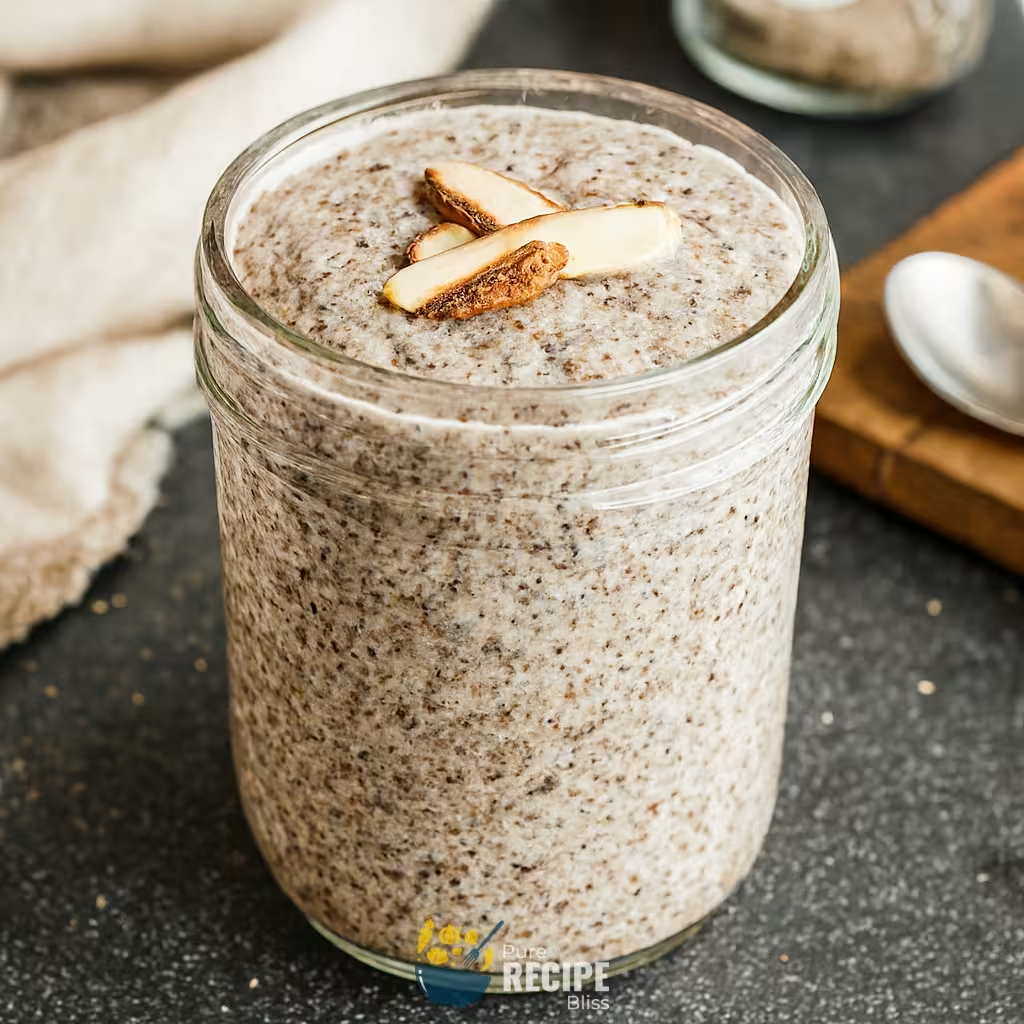
Almond Chia Pudding
Description
Almond Chia Pudding is a creamy, nutty, plant-based pudding made with chia seeds and almond milk. It’s blended for a smooth texture and can be customized with different toppings. It’s a make-ahead recipe that works well for breakfast or a light snack.
Ingredients
Instructions
- In a medium bowl, combine 1 ½ cups almond milk with ⅓ cup chia seeds. Stir well, let it sit for 15 minutes, then stir again to avoid clumping.
- Add 3 tablespoons almond flour (or ground almonds), 1 ½ tablespoons maple syrup or 3 dates, ¾ teaspoon vanilla extract, ¼ teaspoon almond extract, and a pinch of sea salt to the mixture.
- Blend the mixture in a high-speed blender until smooth and creamy. If you prefer texture, stir by hand instead of blending.
- Divide the pudding evenly into 2 jars, cover, and refrigerate for at least 1 hour or overnight until set.
- Before serving, top each jar with 1 tablespoon sliced almonds for garnish.
Notes
- Stirring the chia seeds twice during the first 15 minutes helps prevent clumps.
- Almond flour blends faster, but grinding almonds gives a fresher taste.
- If pudding feels too thick after chilling, add 2–3 tablespoons almond milk and stir.
Nutrition Facts
Servings 2
Serving Size 1 jar
- Amount Per Serving
- Calories 215kcal
- % Daily Value *
- Total Fat 14g22%
- Saturated Fat 1.2g6%
- Trans Fat 0.03g
- Sodium 170mg8%
- Potassium 190mg6%
- Total Carbohydrate 20g7%
- Dietary Fiber 10g40%
- Sugars 7g
- Protein 7g15%
- Vitamin A 15 IU
- Vitamin C 0.4 mg
- Calcium 330 mg
- Iron 2.1 mg
* Percent Daily Values are based on a 2,000‑calorie diet, and your daily needs may be higher or lower depending on your lifestyle. Nutrition information is shared only as a general estimate and may not always be fully accurate. If you follow a special diet or have specific health concerns, it’s best to check with a registered dietitian for personalized guidance.