When I think about hosting, I always like to have something ready that feels welcoming but doesn’t keep me stuck in the kitchen. The cranberry mimosa has become that drink for me because it takes just a few minutes to pour together and looks cheerful right away.
It’s the kind of recipe I reach for during brunch or holiday mornings when I want guests to feel relaxed as soon as they walk in. It’s quick, it’s bubbly, and it sets the tone before the food even hits the table.
What is Cranberry Mimosa?
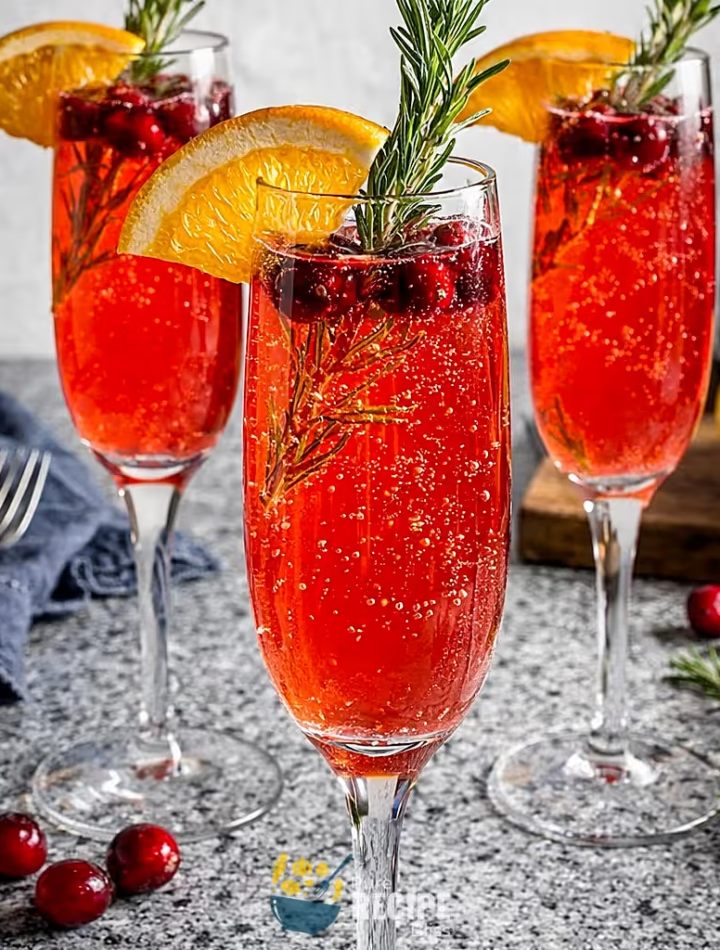
So, the cranberry mimosa is basically a drink that mixes cranberry juice, orange juice, and champagne together, and it usually gets served in a tall flute with a little garnish like rosemary or cranberries. It is not something you cook, it is more about pouring and layering, which makes it quick to prepare when you want something that looks nice without effort.
Most people enjoy it during brunch or at holiday gatherings because the colors and bubbles feel festive, but honestly it can be served in the evening too if you want a light drink before dinner. It is one of those recipes that works well when you want to welcome guests with something cheerful right away.
Why You’ll Love This Recipe:
- Quick to make: The cranberry mimosa doesn’t take more than a few minutes because you are only pouring chilled juices and champagne into glasses, so it works well when you want something ready without planning ahead.
- Balanced flavor: The mix of cranberry juice and orange juice gives a nice balance between tart and sweet, and I noticed that using pulp‑free orange juice keeps the drink smoother and easier to sip.
- Custom options: You can swap champagne for sparkling cider if you want a non‑alcoholic version, and I once tried ginger ale instead which gave it a lighter taste that worked fine for kids.
- Festive look: The rosemary sprig and cranberries make the drink look special, and I found that even when I skipped the garnish once, the drink felt less exciting, so the little extras really matter.
- Crowd‑friendly: It works well for brunch or holiday gatherings because you can pour several glasses quickly, and I learned that mixing the juices in a pitcher first saves time when serving a group.
Ingredients Needed:
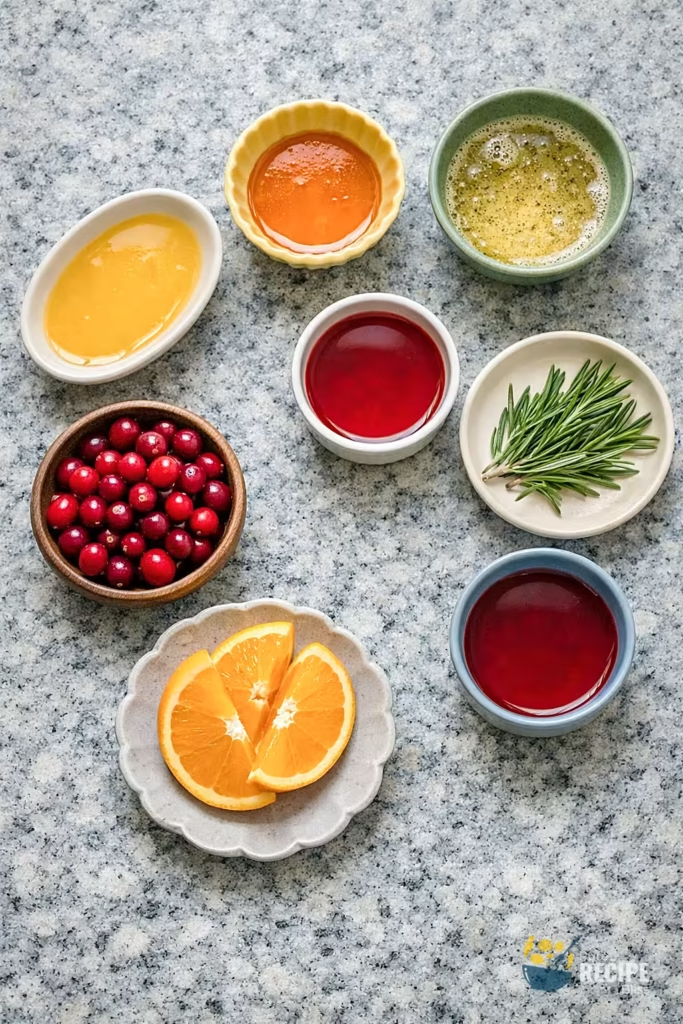
- Cranberry juice cocktail: This gives the drink its bright red color and tart flavor, and I found that the cocktail version works better than pure cranberry juice because the pure one tasted too sharp when I tried it.
- Orange juice (pulp‑free): The sweet citrus balances the cranberry, and I noticed that pulp‑free juice keeps the drink smooth so nothing floats around in the glass.
- Triple sec or orange liqueur: A small splash deepens the citrus flavor, and I sometimes skip it if I want the drink lighter, but when I add it the taste feels more complete.
- Champagne or prosecco: This is what makes the drink bubbly, and I usually go for a brut or extra dry because sweeter wines made the drink too sugary for me.
- Fresh garnishes: Rosemary sprigs, cranberries, and orange wedges make the drink look festive, and I once served it without garnish and realized it looked plain, so now I always add them.
- Serving glasses: Tall champagne flutes are best, but I have used regular glasses when flutes were not available, and while it worked fine, the presentation was not as nice.
💡 Note: For the full ingredient list with exact amounts and measurements, please check the recipe card below.
Step-By-Step Instructions to Make Cranberry Mimosa:
You know the temperature of the juices really matters. The first time I tried, the juices were not cold enough, and the champagne fizzed too much and lost its bubbles quickly. Since then, I always chill everything well before starting.
Step 1: Pour the Cranberry Base
Start by filling the bottom of your glass with cranberry juice. I usually pour about a quarter of the way up, and I like to do it slowly so the color sits nicely at the bottom. The juice should look bright red and clear, not cloudy.
Step 2: Add the Orange Layer
Next, gently pour in the orange juice until the glass is about halfway full. If you pour too quickly, the colors mix too much, but if you go slow, you can see a nice blend where the red and orange meet. I once used juice with pulp, and it floated around awkwardly, so I now stick to pulp‑free.
Step 3: Splash of Liqueur
Add a small splash of triple sec or another orange liqueur. This step is optional, but I find it makes the citrus flavor stronger. When I skipped it once, the drink tasted lighter, which was fine, but with it, the flavor feels more rounded.
Step 4: Top with Champagne
Now, carefully pour in the champagne until the glass is nearly full. Tilt the glass slightly and pour slowly, because if you go too fast, the bubbles rise too quickly and spill over. The drink should look bubbly and sparkling, with a light foam at the top.
Step 5: Garnish and Finish
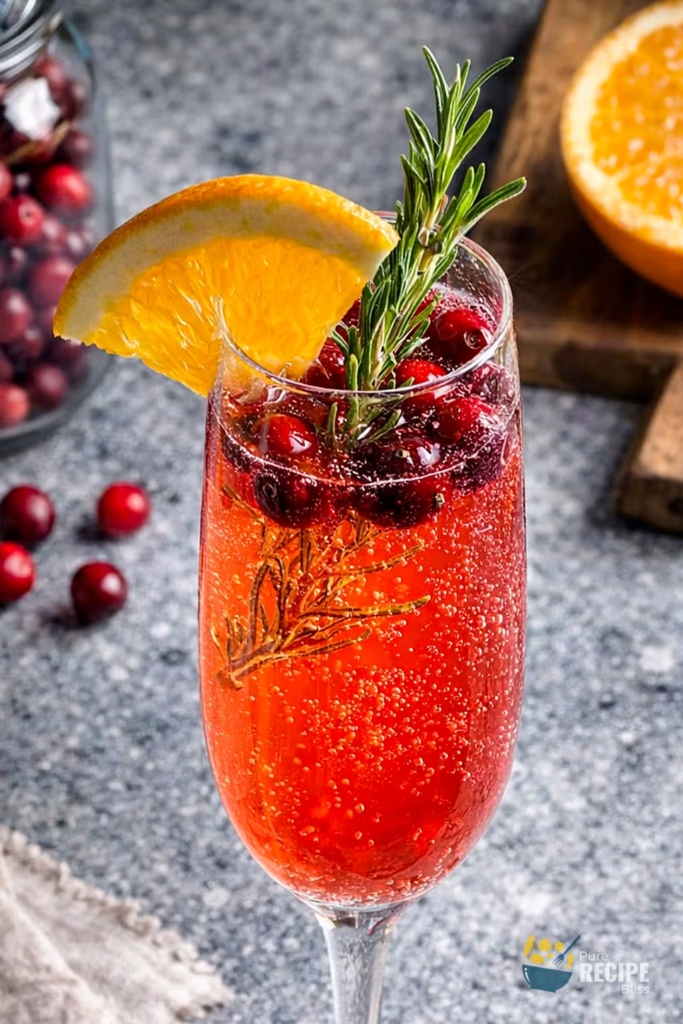
Finally, add a few fresh cranberries, an orange wedge on the rim, and a sprig of rosemary. The rosemary adds a subtle aroma that you notice right when you take a sip. I once skipped the garnish, and the drink looked plain, so now I always add it for that festive touch.
💡 Note: These steps are just an overview. For detailed quantities, measurements, and exact timings to make this recipe, please check the recipe card below.
Helpful Tips For The Best Results:
- Keep everything cold: I learned that if the juices are not chilled, the champagne loses its bubbles too quickly, so it is better to refrigerate everything before starting.
- Pour slowly: When you add champagne, tilt the glass a little and pour gently, because if you go too fast the foam rises and spills over.
- Choose pulp‑free juice: Orange juice with pulp makes the drink look messy, so I always go for the smooth version.
- Don’t add champagne first: I tried pouring champagne first once, and the juices flattened the bubbles right away, so it is better to add champagne last.
- Swap ingredients wisely: If you don’t have triple sec, a drop of vanilla extract works fine, and if you want it non‑alcoholic, sparkling cider or ginger ale can replace champagne.
Tasty Variations to Try:
- Mocktail version: Replace champagne with sparkling cider or ginger ale, which makes it friendly for kids or anyone avoiding alcohol.
- Vanilla twist: Add a drop of vanilla extract for a cozy flavor that changes the drink slightly without making it heavy.
- Mint garnish: I once used mint instead of rosemary, and it gave the drink a lighter, summer feel.
- Seasonal swap: Try pomegranate seeds instead of cranberries during winter, or fresh strawberries in spring for a different look.
- Juice mix change: Use pineapple juice instead of orange juice for a sweeter tropical version, though I found it makes the drink less tart.
- Large batch idea: Mix the juices in a pitcher ahead of time, then add champagne to each glass right before serving so the bubbles stay fresh.
Serving Suggestions:
1. When to serve:
The cranberry mimosa works best for brunch or holiday mornings because it feels light and cheerful, but I have also served it in the evening before dinner and it still felt right.
2. Pairs well with food:
Serve with quiche, cheese boards, or even a simple fruit platter, since the tartness of the drink balances richer foods nicely.
3. Perfect for gatherings:
It is a good choice when you want to welcome guests quickly, and I noticed that pouring it into tall flutes makes the table look more festive.
4. Casual option:
If you don’t have flutes, regular glasses still work, though the look is less elegant, but the taste stays the same.
Storage & Reheating Tips:
- How long it keeps: The cranberry mimosa itself should be enjoyed right away because the bubbles fade quickly, but the juice mix can stay fresh in the fridge for about two days.
- Best storage method: Keep the cranberry and orange juice mixed in a sealed container in the refrigerator, and only add champagne when serving so the drink stays fizzy.
- Simple reheating advice: Since this is a cold drink, there is no reheating involved, but if the juice mix feels too cold from the fridge, you can let it sit at room temperature for a few minutes before pouring.
Frequently Asked Questions (FAQ):
-
Can I substitute champagne?
Yes, you can use prosecco or sparkling cider instead. I once tried ginger ale, and while it was sweeter, it still worked fine for a non‑alcoholic version.
-
Can I make it ahead of time?
You can mix the cranberry and orange juice in advance and keep it chilled, but it’s best to add champagne only when serving so the bubbles stay fresh.
-
What if the texture feels off?
If the drink looks cloudy, it’s usually because of pulp in the orange juice. I recommend using pulp‑free juice for a cleaner look.
-
Is it suitable for dietary concerns?
Since it contains alcohol and sugar, it may not fit every diet. For a lighter option, you can swap champagne for sparkling water and reduce the liqueur.
-
Can I skip the triple sec?
Yes, the cranberry mimosa still tastes good without it, but adding a drop of vanilla extract gives a cozy flavor that works as a simple replacement.
Cranberry Mimosa
Description
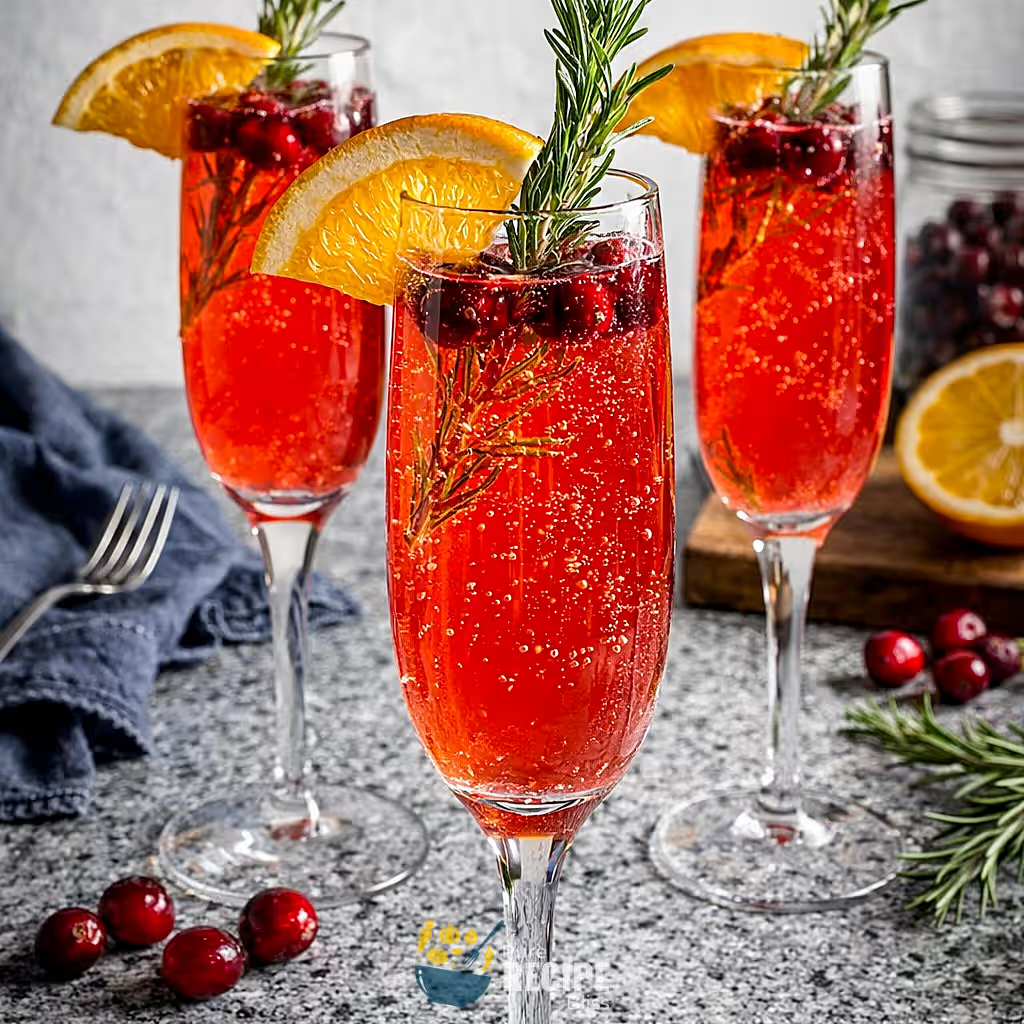
This cranberry mimosa is a bright, fizzy drink that mixes tart cranberry juice with smooth orange juice and bubbly champagne. It’s quick to prepare, looks festive with rosemary and cranberries, and works well for brunch or holiday celebrations.
Ingredients
Instructions
- Pour 1/4 cup cranberry juice into each champagne flute, filling about one‑quarter of the glass.
- Add 1/4 cup orange juice slowly to each flute until halfway full, letting the colors blend naturally.
- Splash in about 1/2 tablespoon triple sec per glass to deepen the citrus flavor.
- Top each flute with chilled champagne, pouring gently to avoid excess foam.
- Garnish each glass with 3 cranberries, 1 rosemary sprig, and 1 orange wedge before serving.
Notes
- Always chill juices and champagne before mixing to keep the drink bubbly.
- Pulp‑free orange juice gives a cleaner look and smoother sip.
- If you want a non‑alcoholic version, swap champagne for sparkling cider or ginger ale.
Nutrition Facts
Serving Size 1 glass ~180g
- Amount Per Serving
- Calories 145kcal
- % Daily Value *
- Sodium 12mg1%
- Potassium 125mg4%
- Total Carbohydrate 19g7%
- Sugars 16g
- Protein 1g2%
- Vitamin A 3 IU
- Vitamin C 32 mg
- Calcium 3 mg
- Iron 1 mg
* Percent Daily Values are based on a 2,000‑calorie diet, and your daily needs may be higher or lower depending on your lifestyle. Nutrition information is shared only as a general estimate and may not always be fully accurate. If you follow a special diet or have specific health concerns, it’s best to check with a registered dietitian for personalized guidance.