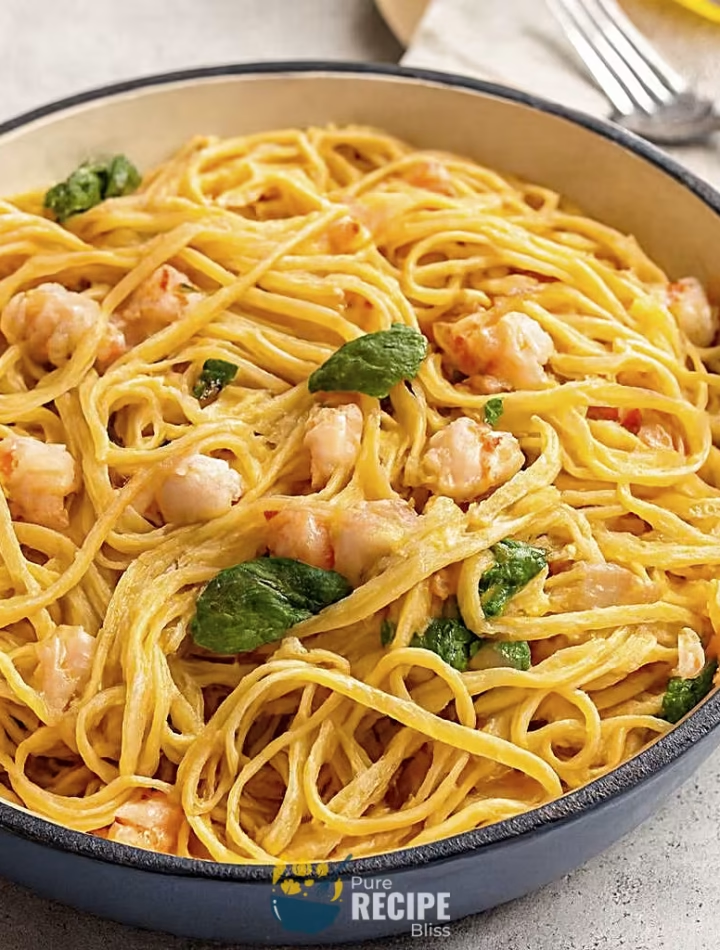
I wanted to share why Garlic-Butter Shrimp Pasta became one of those dishes I keep coming back to. It’s quick enough that I don’t feel stressed making it after a long day, but it still looks nice enough to put on the table when someone comes over.
For me, it works best as a dinner option because it feels filling without being too heavy, and it’s the kind of recipe that makes you feel like you’ve done something a little special without spending hours in the kitchen. That’s why I thought it would be fun to walk through it here before we talk about what the dish actually is.
What is Garlic Butter Shrimp Pasta?
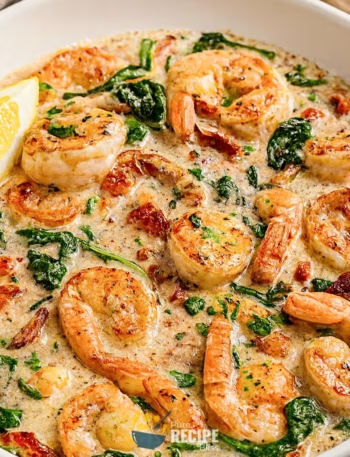
Garlic-Butter Shrimp Pasta is basically a dish where long pasta noodles are tossed together with shrimp in a buttery garlic sauce that gets a little brightness from lemon and a bit of freshness from basil. It’s not heavy like cream-based pastas, but it still feels satisfying because of the butter and the way the sauce coats the noodles.
Most people enjoy it as a main course for lunch or dinner, and it’s usually served straight from the pan while everything is still hot and glossy. It’s one of those meals that looks nice enough for guests but is also something you can make quickly on a weeknight without much planning. That’s the simple idea behind it before we go into the details.
Why You’ll Love This Recipe:
- Quick to make: The whole dish comes together in about half an hour, so you don’t feel stuck in the kitchen for too long. I noticed that the shrimp cooks faster than expected, so keeping everything ready before starting helps a lot.
- Simple ingredients: You don’t need anything unusual here, just pasta, shrimp, garlic, butter, and lemon. I once tried using parsley instead of basil when I didn’t have any, and it still worked fine.
- Easy to adjust: You can make it spicier with more pepper flakes or keep it mild if that’s what you prefer. I sometimes add extra lemon juice when I want it brighter.
- Feels special without effort: Even though it’s quick, the buttery garlic flavor makes it taste like something you’d order at a restaurant. I’ve served it for dinner with friends, and it always feels a little more impressive than the time it takes.
- Works for different meals: It’s mainly a lunch or dinner dish, but I once reheated leftovers for a late snack, and it was still good as long as I warmed it slowly on the stove.
Ingredients Needed:
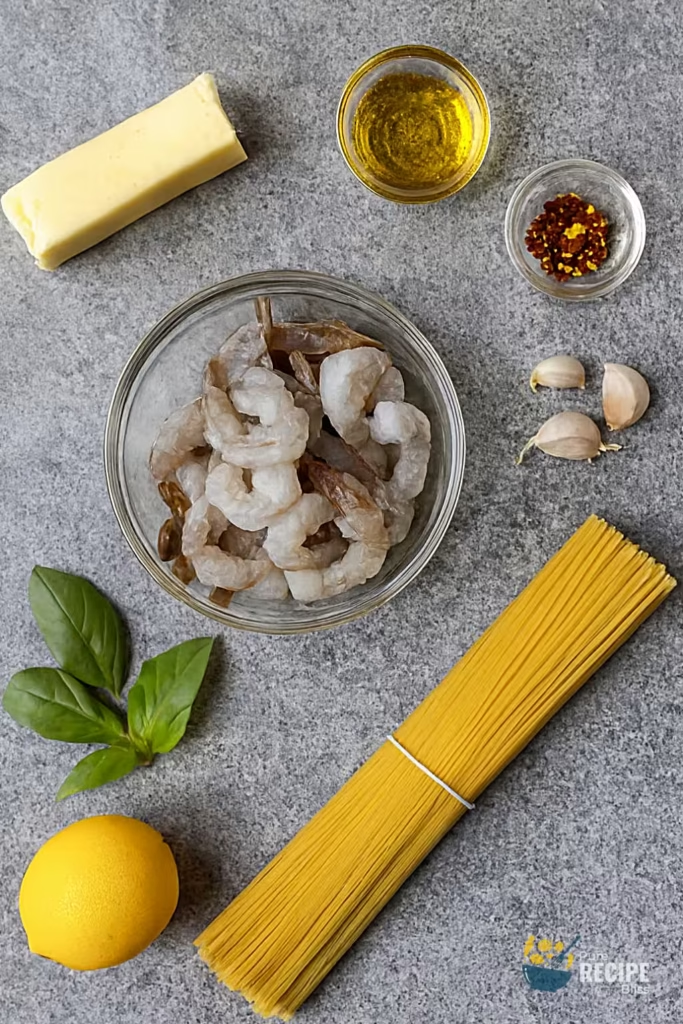
- Long pasta: You can use linguine, spaghetti, or fettuccine. I’ve tried all three, and linguine seemed to hold the sauce a little better, but honestly any long pasta works fine.
- Shrimp: Raw shrimp is best because it cooks quickly and stays tender. I once used precooked shrimp, and it turned rubbery, so I wouldn’t recommend that.
- Garlic: Fresh garlic gives the strongest flavor. I usually chop it instead of mincing too finely, because bigger pieces don’t burn as easily.
- Olive oil: A small amount helps start the sauce and keeps the garlic from sticking.
- Red pepper flakes: These add a little heat. I sometimes use less if I’m cooking for someone who doesn’t like spice.
- Butter: Cubes of butter melt more evenly than one big chunk, so I cut mine before adding.
- Lemon juice: Freshly squeezed lemon makes the sauce taste brighter. Bottled lemon juice works in a pinch, but fresh is better.
- Fresh basil: Basil adds a nice finish. If I don’t have basil, I swap in parsley, and it still tastes good.
- Salt and black pepper: These balance everything out. I usually taste the sauce before adding pasta, so I can adjust the seasoning.
💡 Note: For the full ingredient list with exact amounts and measurements, please check the recipe card below.
Step-By-Step Instructions to Make Garlic Butter Shrimp Pasta:
Before I go into the steps, I’ll just mention one small thing I learned while making this dish at home. The shrimp cooks so quickly that if you don’t have everything ready before you start, you end up scrambling and the garlic can burn. So now I always line up the pasta, lemon, butter, and basil before turning on the stove.
Step 1: Cook the pasta
Start by boiling your pasta until it’s just tender but still has a little bite. Don’t forget to save a bit of the cooking water before draining because it helps the sauce later. The pasta should look soft but not mushy.
Step 2: Sauté the garlic and pepper flakes
Warm some olive oil in a skillet and add the garlic with pepper flakes. Keep the heat gentle so the garlic turns golden instead of burning. You’ll notice the smell change from sharp to mellow, which is the cue to move on.
Step 3: Cook the shrimp
Add the shrimp to the skillet and stir them around until they turn pink and opaque. They should feel firm but not rubbery. I once left them too long and they got chewy, so now I watch closely.
Step 4: Melt the butter into the sauce
Drop in the butter cubes and let them melt slowly. The sauce should look glossy and slightly foamy, which means it’s ready for the pasta.
Step 5: Toss pasta with sauce and lemon juice
Add the drained pasta and squeeze in fresh lemon juice. Toss everything together until the noodles are coated. If the sauce feels too thick, splash in some of that saved pasta water.
Step 6: Finish with basil and seasoning
Turn off the heat, sprinkle in chopped basil, and adjust with salt and pepper. The basil should look bright green and the sauce should cling lightly to the pasta. Serve right away while it’s still hot.
💡 Note: These steps are just an overview. For detailed quantities, measurements, and exact timings to make this recipe, please check the recipe card below.
Helpful Tips For The Best Results:
- Watch the texture: Shrimp should look firm and pink but not tight or rubbery. If they curl into tight little circles, that usually means they went too far.
- Control the heat: Garlic burns quickly, so I keep the pan on medium-low until it turns golden, then raise the heat for the shrimp.
- Use pasta water wisely: A splash of the reserved water makes the sauce glossy and helps it cling to the noodles. I once skipped this step and the sauce felt heavy.
- Swap ingredients smartly: Basil is great, but parsley works fine if that’s what you have. I’ve even tried spinach leaves at the end, and they gave a nice fresh bite.
Tasty Variations to Try:
- Add cherry tomatoes: Toss them in with the shrimp for a sweet burst that balances the lemon.
- Make it creamy: Stir in a spoonful of cream or mascarpone at the end for a richer sauce.
- Go seasonal: In summer, zucchini ribbons mix well with the pasta; in winter, roasted mushrooms add depth.
- Change the herbs: Swap basil for dill or cilantro if you want a different flavor profile.
- Spice it differently: Instead of pepper flakes, try smoked paprika for a softer heat.
- Dietary option: Use whole grain pasta or gluten-free noodles if needed like I tested with brown rice pasta once and it held up better than expected.
Serving Suggestions:
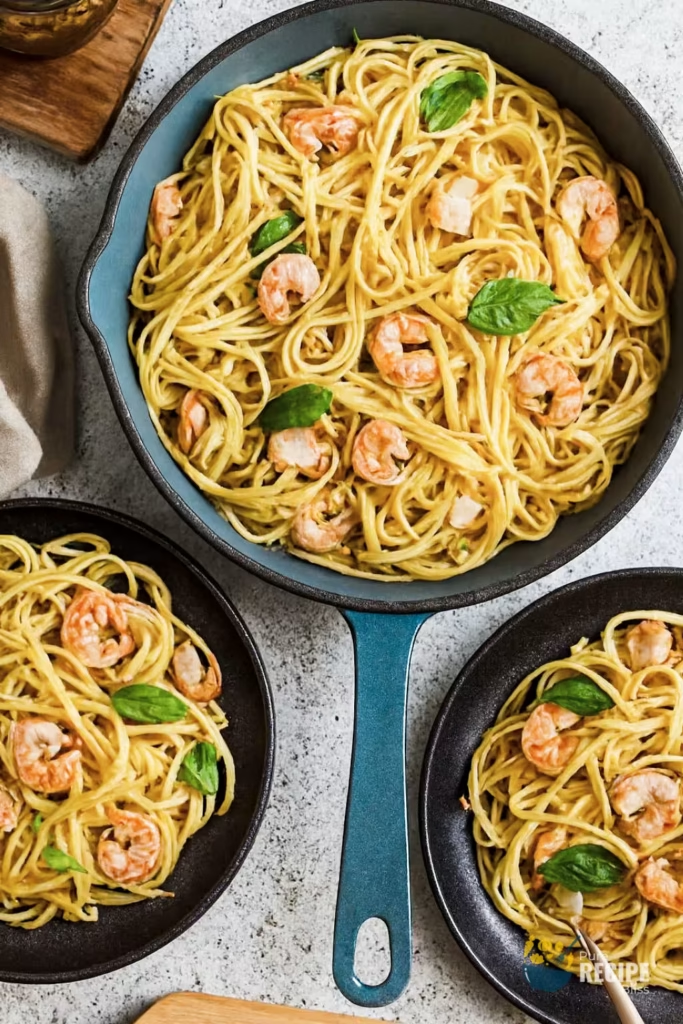
1. Serve with salad:
A crisp green salad with a light vinaigrette pairs well because it balances the buttery pasta and keeps the meal from feeling too heavy.
2. Perfect for dinner:
This dish works best as a main course for lunch or dinner, especially when you want something filling but not overly complicated.
3. Pairs well with bread:
Garlic bread or even plain toasted bread is a good side because it lets you scoop up the extra sauce from the plate.
4. Add a drink:
A chilled white wine or sparkling water with lemon makes the flavors feel fresher and rounds out the meal nicely.
Storage & Reheating Tips:
- How long it keeps: Garlic-Butter Shrimp Pasta usually stays good for about three days if you keep it in the fridge. I’ve noticed that the shrimp tastes best within the first two days, so I try not to push it longer.
- Best storage method: Place leftovers in a sealed container so the pasta doesn’t dry out. I sometimes add a tiny splash of olive oil before storing, which helps keep the noodles from sticking together.
- Simple reheating advice: Warm it gently in a skillet with a little water or broth to loosen the sauce. I avoid the microwave because it makes the shrimp chewy, and the stovetop keeps the texture closer to fresh.
Frequently Asked Questions (FAQ):
-
Can I substitute the shrimp?
Yes, you can use prawns or even scallops if you prefer. I once tried chicken strips, and while it worked, the flavor wasn’t as light as with seafood.
-
Can I make it ahead?
You can cook the pasta and prep the shrimp earlier, but I’d suggest finishing the sauce fresh because reheated butter and garlic lose their shine.
-
Why does the texture feel off sometimes?
If the shrimp turns rubbery, it usually means it was cooked too long. Keeping the heat moderate and watching for the color change helps.
-
Is it suitable for dietary needs?
You can swap regular pasta for gluten-free noodles, and if you want less fat, reduce the butter slightly and add a splash of broth instead.
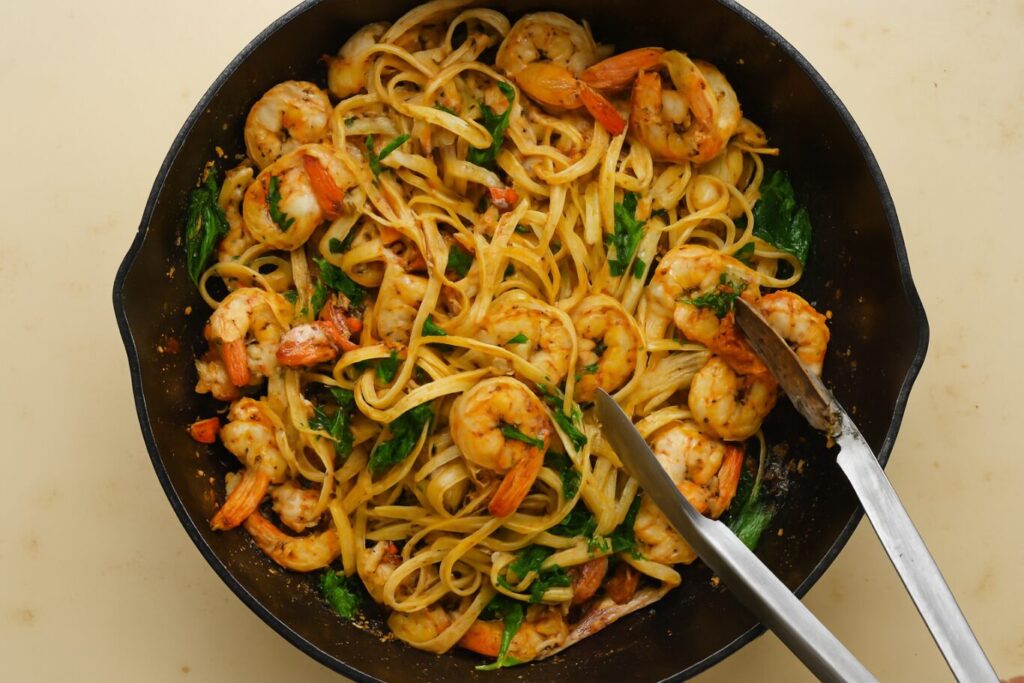
Garlic Butter Shrimp Pasta
Description
Garlic-Butter Shrimp Pasta is a quick stovetop dish where long pasta noodles are tossed with shrimp, garlic, butter, lemon juice, and basil. It feels special enough for guests but is simple enough for everyday cooking.
Ingredients
Instructions
- Bring a large pot of water with 1 tablespoon salt to a boil. Add 12 ounces of linguine, fettuccine, or spaghetti and cook until al dente. Reserve ½ cup pasta water before draining.
- In a large skillet, heat 3 tablespoons olive oil over medium-low. Add 4 chopped garlic cloves and ¾ teaspoon red pepper flakes, cooking until garlic turns golden.
- Increase heat to medium-high. Add 12 ounces shrimp, shelled and deveined, cut into bite-size pieces. Stir frequently until shrimp turns pink and opaque.
- Add 4 tablespoons unsalted butter, cubed. Let it melt into the shrimp mixture until the sauce looks glossy and slightly foamy.
- Toss in the drained pasta along with ⅓ cup fresh lemon juice (about 2 lemons). Mix well, adding reserved pasta water if the sauce feels too thick.
- Remove from heat. Season with salt and freshly ground black pepper to taste, then fold in 2 tablespoons chopped fresh basil. Serve immediately while hot.
Notes
- Shrimp cooks very quickly, so keep an eye on the color change to avoid rubbery texture.
- Fresh lemon juice makes a big difference compared to bottled.
- Pasta water helps the sauce cling better, so don’t skip saving it.
Nutrition Facts
Servings 4
Serving Size 1 portion
- Amount Per Serving
- Calories 579kcal
- % Daily Value *
- Total Fat 24g37%
- Saturated Fat 9g45%
- Trans Fat 0.5g
- Cholesterol 137mg46%
- Sodium 495mg21%
- Total Carbohydrate 67g23%
- Dietary Fiber 3g12%
- Sugars 3g
- Protein 23g46%
- Vitamin A 450 IU
- Vitamin C 7 mg
- Calcium 65 mg
- Iron 3 mg
- Vitamin D 20 IU
* Percent Daily Values are based on a 2,000‑calorie diet, and your daily needs may be higher or lower depending on your lifestyle. Nutrition information is shared only as a general estimate and may not always be fully accurate. If you follow a special diet or have specific health concerns, it’s best to check with a registered dietitian for personalized guidance.