When I’m planning a holiday meal, I always look for one dish that I can finish ahead of time so I’m not stuck in the kitchen while everyone else is relaxing. That’s where Make Ahead Mashed Potatoes come in. They let me prepare a side dish the day before, and then I only need to reheat it when dinner is ready.
It’s quick to put together, and I like that it works for dinner gatherings where you want something filling but don’t want extra stress. Having this ready in advance makes the whole meal feel easier to manage.
What is Mashed Potatoes?
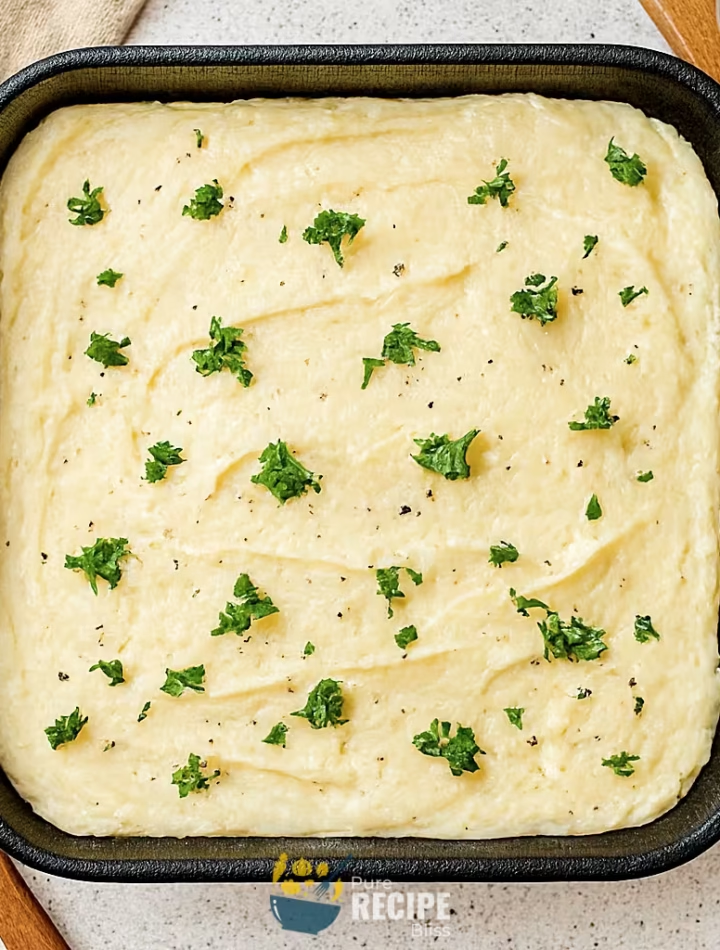
Make Ahead Mashed Potatoes are basically mashed potatoes that you prepare in advance and then bake later. Instead of rushing to mash them right before serving, you mix everything together, spread it in a casserole dish, and keep it chilled until you’re ready to reheat.
They’re usually served at dinner, especially during holidays, because they pair really well with big main dishes like roast turkey, ham, or even beef. The idea is simple: you get the same creamy, flavorful potatoes you love, but without the last-minute stress in the kitchen.
Why You’ll Love This Recipe:
- Make-ahead convenience: You can prepare Make Ahead Mashed Potatoes the day before, keep them in the fridge, and then just bake them when you need them. It takes away that last-minute rush when everything else is cooking.
- Creamy and flavorful: The mix of cream cheese, sour cream, and butter makes the potatoes taste richer than regular mashed potatoes. I once tried leaving out the cream cheese, and honestly, the flavor wasn’t as good, so I always keep it in.
- Feeds a crowd easily: Since it’s baked in a casserole dish, it’s simple to scoop out and serve at the table. I’ve noticed it works really well when you have guests because everyone can help themselves.
- Holds up well when reheated: Unlike some mashed potatoes that get dry or sticky, these stay smooth after baking. I usually let the dish sit out for a bit before reheating, and that small step makes them warm evenly.
- Flexible for different meals: Even though I mostly make them for holiday dinners, they also go nicely with everyday meals like meatballs, steak, or roasted chicken. It’s one of those sides that fits into many menus without much effort.
Ingredients Needed:
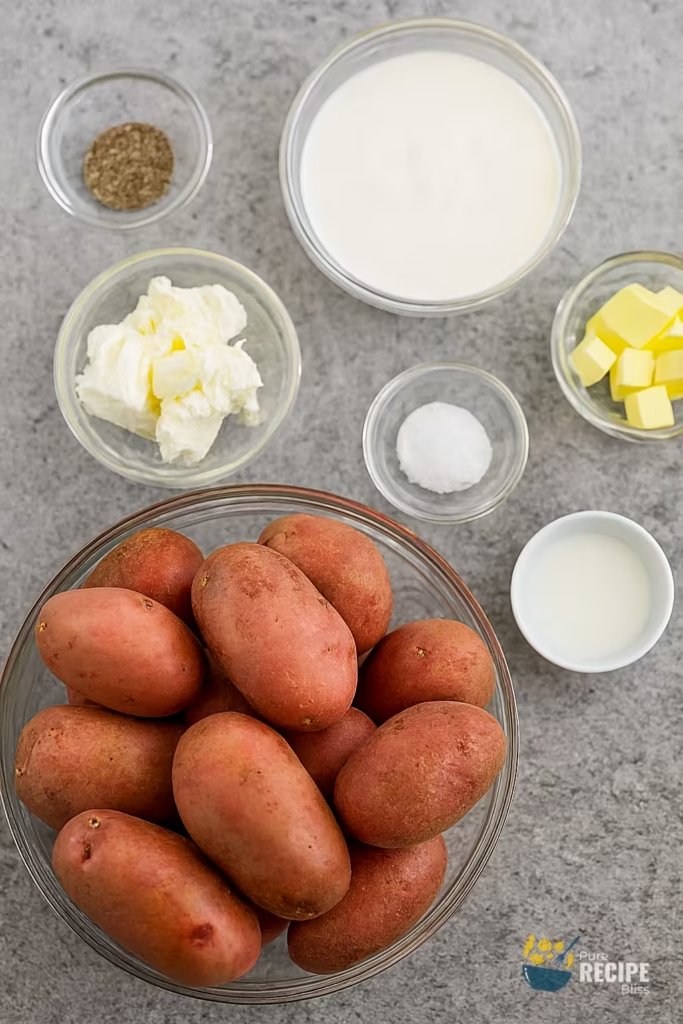
- Red potatoes: These are the main base, and I like them because they cook evenly and mash into a smooth texture. If you use Yukon Golds, they give a slightly buttery flavor, but I usually stick with red.
- Cream cheese: This adds a tangy taste and makes the potatoes richer. I once tried skipping it, but the mash felt a bit flat, so I always keep it in.
- Sour cream: It blends well with the cream cheese and helps create that creamy consistency. It also gives a little extra flavor that balances the potatoes.
- Butter: A small amount goes a long way here. It adds richness and keeps the potatoes from tasting dry after reheating.
- Milk (optional): I only add milk if I feel the potatoes are too thick. A splash helps loosen them up, but it’s not always necessary.
- Onion salt: This seasoning gives a subtle flavor without being overpowering. If I don’t have it, I use onion powder and just adjust the salt.
- Black pepper: A simple spice that rounds out the flavor. I usually add a bit more when serving because I like the warmth it brings.
💡 Note: For the full ingredient list with exact amounts and measurements, please check the recipe card below.
Step-By-Step Instructions to Make Mashed Potatoes:
Something I learned from cooking this dish myself is that excess water ruins the taste. When the potatoes aren’t drained properly, the mash ends up bland instead of rich and smooth.
Step 1: Prep the potatoes
Wash and peel the potatoes, then cut them into even-sized cubes. Keeping the pieces similar helps them cook at the same speed. Place them in a large pot and cover with cold water.
Step 2: Cook until tender
Bring the pot to a boil and let the potatoes simmer until they are fork-tender. I usually test the largest piece, and if it breaks apart easily, they’re ready.
Step 3: Drain and dry
Pour off the water and let the potatoes sit in the pot for a minute or two. This helps steam out extra moisture. I once skipped this step, and the mash turned out watery, so now I always do it.
Step 4: Mix with creamy ingredients
Add cream cheese, sour cream, butter, and seasonings. Use a hand mixer for smooth potatoes or a masher if you like them a little rustic. Stop mixing once they look creamy because overmixing can make them sticky.
Step 5: Transfer to casserole dish
Spread the mashed potatoes into a greased baking dish. Smooth the top with a spoon so it bakes evenly. Cover and refrigerate until you’re ready to reheat.
Step 6: Bake before serving
When it’s time to eat, let the dish sit out while the oven preheats. Bake until the potatoes are hot and lightly golden on top. I like to sprinkle a little parsley for color, but that’s optional.
💡 Note: These steps are just an overview. For detailed quantities, measurements, and exact timings to make this recipe, please check the recipe card below.
Helpful Tips For The Best Results:
- Texture control: When mixing the potatoes, stop as soon as they look creamy. If you keep beating them too long, they can turn sticky, and that’s something I learned the hard way.
- Heat balance: Let the casserole sit out for a little while before baking. If it goes straight from the fridge to the oven, the middle can stay cold while the edges get too dry.
- Ingredient swap: If you don’t have onion salt, use onion powder and then taste before adding extra salt. It works fine, but you just need to adjust slowly.
- Moisture check: Drain the potatoes really well before mixing. If they hold too much water, the flavor gets weaker and the texture feels loose.
- Extra creaminess: A splash of milk can help if the mash feels too thick, but add it carefully so it doesn’t get runny.
Tasty Variations to Try:
- Garlic twist: Roast a few cloves of garlic and mash them in for a sweeter, mellow flavor.
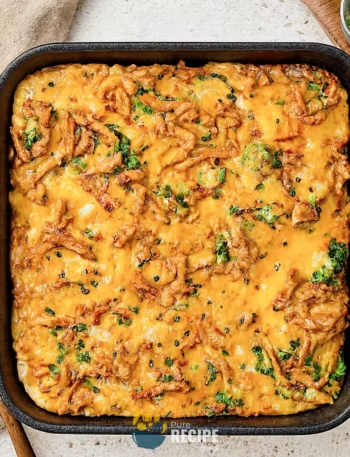
- Cheesy top: Sprinkle shredded cheddar or parmesan on the casserole before baking so you get a golden crust.
- Herb mix: Stir in fresh parsley or chives for a lighter, fresher taste. I sometimes add dill when serving with fish.
- Greek yogurt swap: Replace sour cream with Greek yogurt if you want a sharper tang and a bit more protein.
- Seasonal idea: In colder months, add a pinch of nutmeg or paprika for warmth. In summer, I like to keep it simple with just herbs.
- Vegetarian-friendly boost: Mix in sautéed spinach or kale before baking to add some greens without changing the flavor too much.
Serving Suggestions:
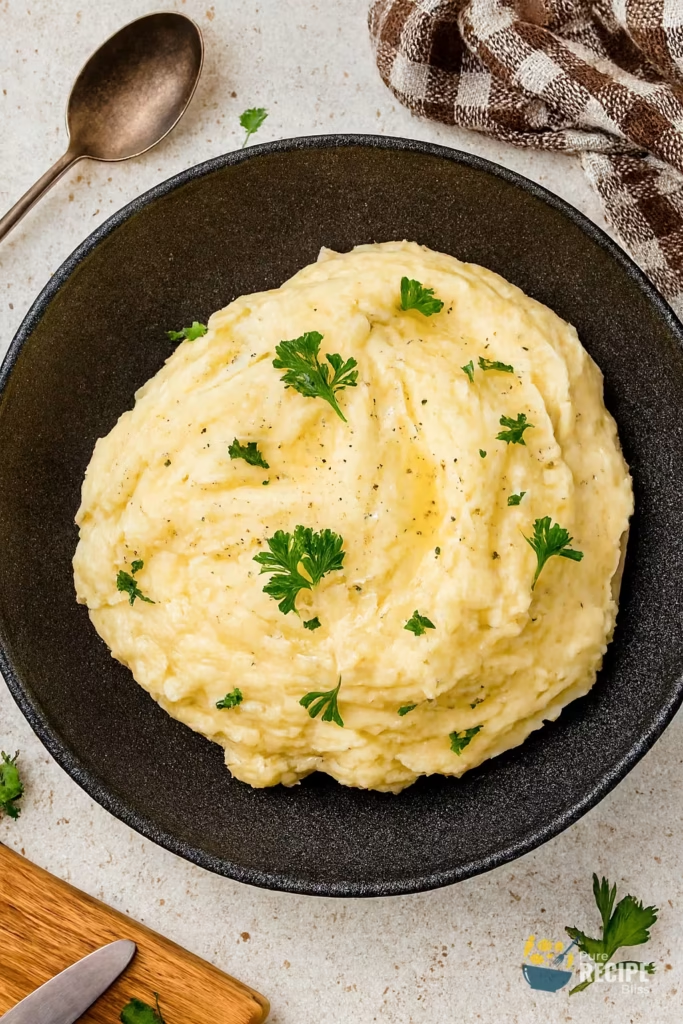
1. Holiday dinners:
Make Ahead Mashed Potatoes are perfect for big family meals like Thanksgiving or Christmas because they save time and still taste fresh.
2. Pairs well with roasts:
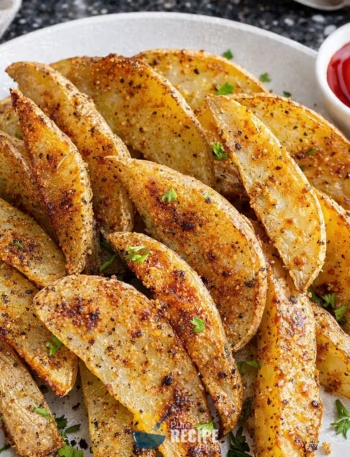
Serve with roast turkey, baked ham, or even beef wellington for a classic combination.
3. Weeknight comfort:
They also go nicely with meatballs and gravy or pan-seared steak bites when you want a filling dinner.
4. Everyday option:
Pairs well with simple mains like air fryer pork chops or roasted chicken, making them useful beyond holidays.
Storage & Reheating Tips:
- How long it keeps: Make Ahead Mashed Potatoes stay good in the fridge for about two to three days. I usually cover the dish tightly so it doesn’t dry out.
- Best storage method: Keep them in the same casserole dish you baked them in, covered with foil or plastic wrap. If you want smaller portions, airtight containers work fine too.
- Simple reheating advice: Let the dish sit out while the oven warms up, then bake until hot and lightly golden. For quick portions, the microwave works, but the oven gives better texture.
Frequently Asked Questions (FAQ):
-
Can I swap the sour cream for something else?
Yes, Greek yogurt works fine and gives a sharper flavor. Just keep in mind it changes the texture slightly.
-
How far in advance can I prepare Make Ahead Mashed Potatoes?
Two days is usually the limit. Any longer and the flavor starts to fade.
-
Why do my mashed potatoes turn sticky?
That usually happens if they’re overmixed. Stop blending once they look creamy and smooth.
-
Can I make them lighter?
You can use reduced-fat cream cheese or sour cream, but the potatoes won’t be quite as rich.
-
How many people does this dish feed?
A full casserole easily serves a group, and I usually get about a dozen portions from one batch.
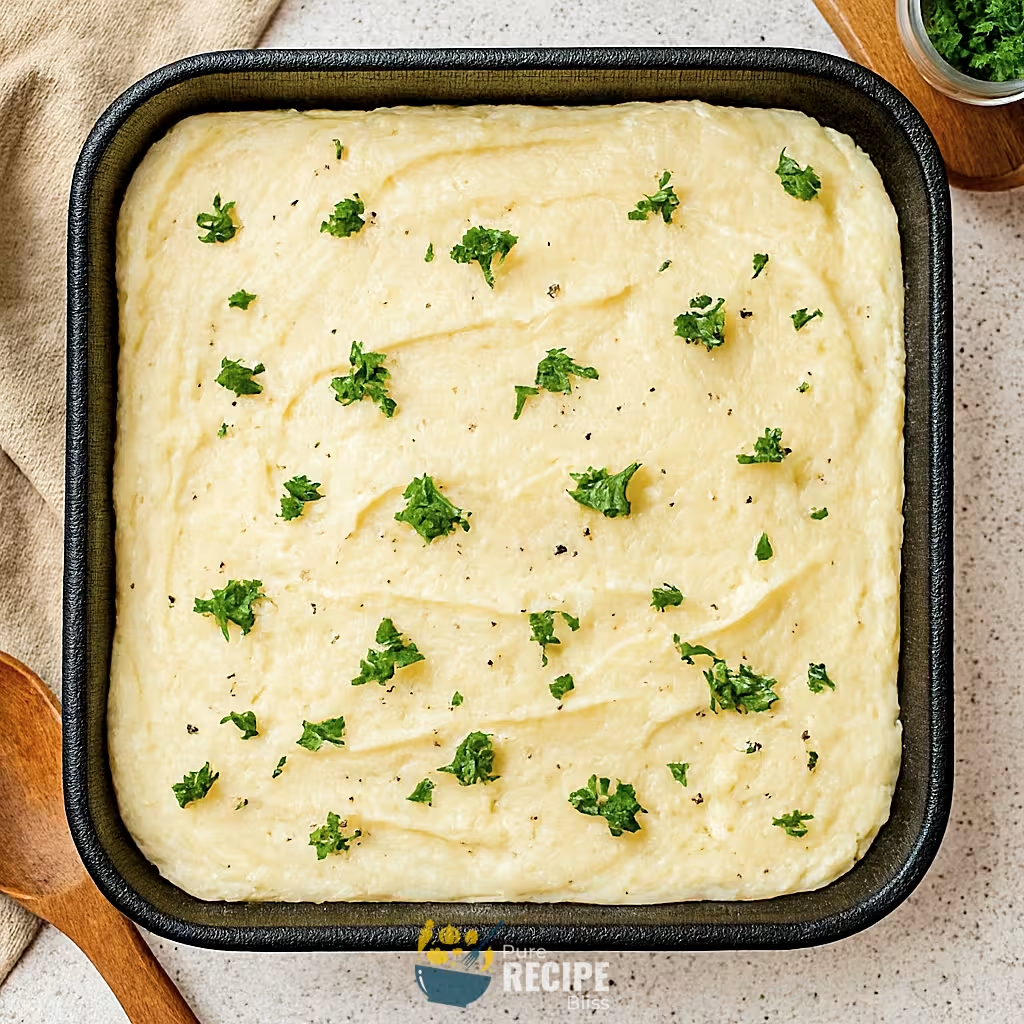
Make Ahead Mashed Potatoes
Description
Make Ahead Mashed Potatoes are a creamy potato casserole you can prepare the day before serving. They’re rich from cream cheese, sour cream, and butter, and they reheat beautifully, making them a stress-free side dish for holiday meals or family dinners.
Ingredients
Instructions
- Spray a 9×13 inch casserole dish with non-stick spray and set aside.
- Place 4 ½ pounds diced red potatoes in a large pot, cover with cold water (about 2 inches above potatoes), and bring to a boil. Simmer until fork-tender.
- Drain the potatoes thoroughly, then return them to the pot. Let them sit for a minute to steam off excess moisture.
- Add 5 oz cream cheese, 1 cup sour cream, 3 tablespoons butter, 2 teaspoons onion salt, 1 teaspoon regular salt, and ½ teaspoon black pepper. Beat with a hand mixer until smooth and creamy. Add up to ½ cup milk gradually if needed for a softer texture.
- Spread the mashed potatoes evenly into the prepared casserole dish. Cover tightly with foil or plastic wrap and refrigerate overnight or up to two days.
- When ready to serve, let the dish sit at room temperature while the oven preheats to 350°F. Bake uncovered for 35-40 minutes, until hot and lightly golden on top.
Notes
- Don’t overmix the potatoes. Just stop once they look creamy to avoid a sticky texture.
- If you don’t have onion salt, use onion powder and adjust the salt slowly.
- For extra flavor, sprinkle shredded cheese or fresh herbs on top before baking.
Nutrition Facts
Servings 10
Serving Size 1 cup
- Amount Per Serving
- Calories 230kcal
- % Daily Value *
- Total Fat 9g14%
- Saturated Fat 5g25%
- Cholesterol 28mg10%
- Sodium 670mg28%
- Potassium 890mg26%
- Total Carbohydrate 32g11%
- Dietary Fiber 3g12%
- Sugars 3g
- Protein 6g12%
- Vitamin A 320 IU
- Vitamin C 15 mg
- Calcium 58 mg
- Iron 1.2 mg
- Vitamin D 12 IU
* Percent Daily Values are based on a 2,000‑calorie diet, and your daily needs may be higher or lower depending on your lifestyle. Nutrition information is shared only as a general estimate and may not always be fully accurate. If you follow a special diet or have specific health concerns, it’s best to check with a registered dietitian for personalized guidance.