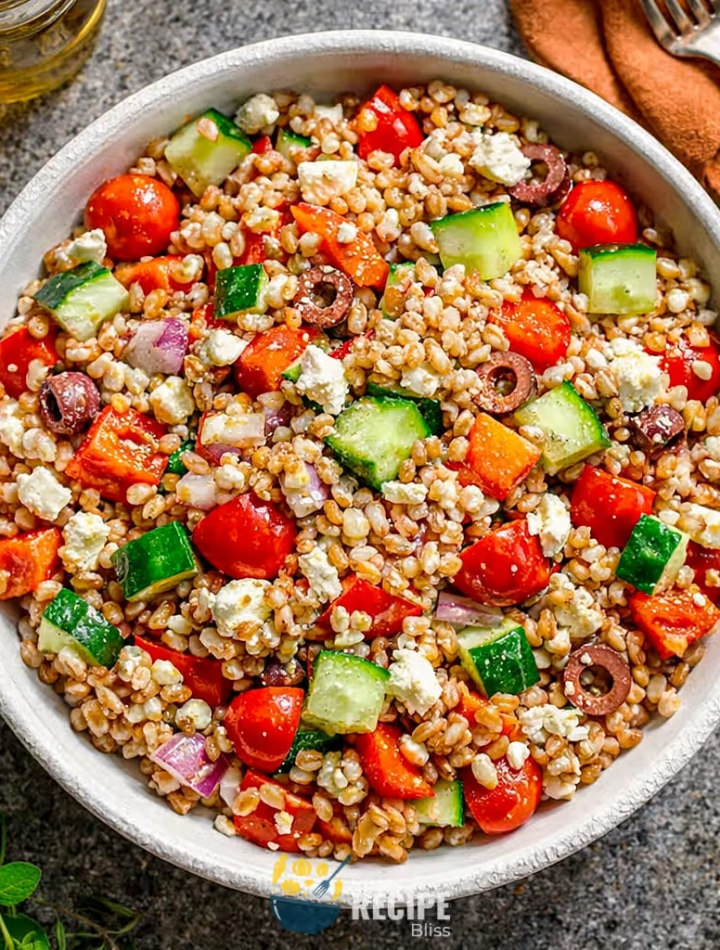
I wanted to share this Mediterranean Farro Salad because it’s one of those recipes that doesn’t take much effort but still feels like you’ve made something special. The cooking part is quick, the chopping is straightforward, and the dressing is just a few ingredients shaken together, so it comes together without stress.
It’s the kind of dish I reach for when I want something light but filling, whether that’s lunch during the week or a side at dinner. It’s also nice to keep in the fridge since it holds up well, and I find myself grabbing a spoonful here and there as a snack. That’s why I thought it deserved its own spot before we talk about what Mediterranean Farro Salad actually is.
What is Mediterranean Farro Salad?
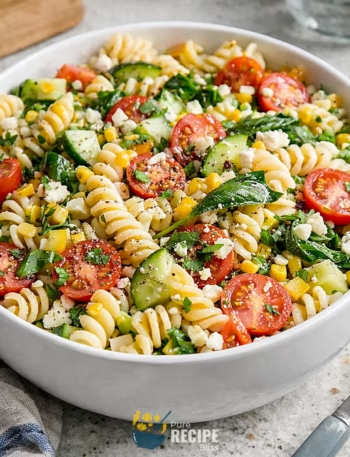
Mediterranean Farro Salad is basically a grain salad that uses farro as the base, which is a chewy and nutty grain that feels a little more filling than rice or couscous. It’s mixed with fresh vegetables like tomatoes, cucumber, bell pepper, and red onion, plus olives and feta cheese to give it that salty and tangy flavor.
It’s usually served cold or at room temperature, so it works well as a side dish with dinner or as a light lunch on its own. In Mediterranean-style cooking, salads like this are common because they balance grains, veggies, and a simple dressing, making them both refreshing and satisfying.
Why You’ll Love This Recipe:
- Quick to put together: The Mediterranean Farro Salad doesn’t take long because the farro cooks in about 10 minutes if you use the quick-cooking kind, and the rest is just chopping and mixing. I’ve noticed that once the farro is cooled, everything comes together in less than half an hour.
- Easy to adjust: You can swap vegetables depending on what you already have, and I’ve even tried adding roasted chickpeas once when I wanted more crunch. It still tasted great, so you don’t have to follow the ingredients too strictly.
- Stays fresh for days: I like that it holds up well in the fridge, so I can make it ahead and eat it for lunch or dinner later. Sometimes I add a splash of olive oil the next day to freshen it up, and it works fine.
- Pairs with many meals: I’ve served it with grilled chicken, with fish, and even just with bread when I didn’t feel like cooking much. It doesn’t feel heavy, so it fits into different meals easily.
- Family-approved: My wife actually said this is one of her favorites, which surprised me because she doesn’t usually go for grain salads. That makes me keep it in rotation since it’s something we both enjoy.
Ingredients Needed:
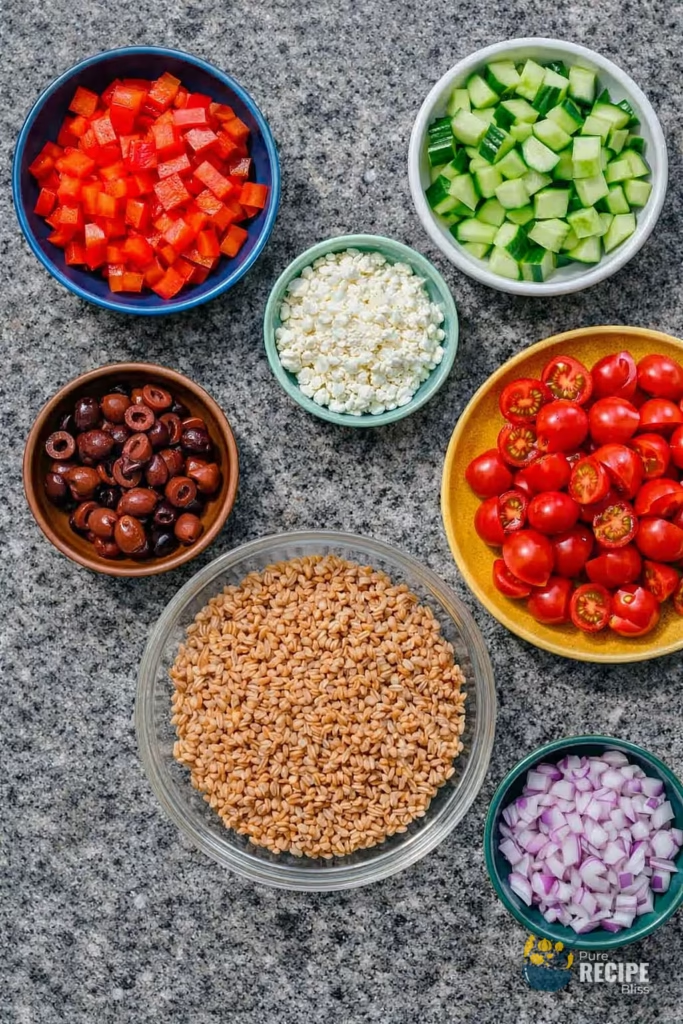
- Farro: This is the base of the Mediterranean Farro Salad, and I usually go for the quick-cooking kind because it saves time. If you only have regular farro, that works too, but just remember it takes longer, so plan ahead.
- Tomatoes: Cherry or grape tomatoes are easy to use since they just need to be halved. I’ve also tried Roma tomatoes when that’s what I had, and they worked fine, though the texture was a little softer.
- Cucumber: I like using English cucumber because it has fewer seeds, but if you only have the regular kind, you can scoop out some seeds before chopping. That small step makes the salad less watery.
- Bell pepper: Red bell pepper adds nice color, but I’ve swapped in yellow or orange before, and it still looked bright. I usually dice it a bit smaller so it blends well with the farro.
- Red onion: This adds sharpness, but sometimes mine feels too strong. When that happens, I soak the chopped pieces in cold water for a few minutes, and it makes the flavor milder.
- Olives: Kalamata olives give the salad that salty, briny taste. I’ve used jarred ones and also fresh from the olive bar, and both worked fine as long as they were pitted.
- Feta cheese: A little feta goes a long way, so I start with a small amount and add more if needed. It gives the salad a tangy bite that balances the veggies.
- Lemon vinaigrette: The dressing is just olive oil, vinegar, lemon zest and juice, Dijon mustard, salt, and pepper. I usually taste it before pouring, and sometimes I add extra lemon if I want it brighter.
💡 Note: For the full ingredient list with exact amounts and measurements, please check the recipe card below.
Step-By-Step Instructions to Make Mediterranean Farro Salad:
You know farro tastes much better if you let it cool completely before mixing it with the veggies. When I rushed it once, the warm grains made the cucumber and tomatoes lose their crispness, so now I always give it time to cool down.
Step 1: Cook the farro
Start by cooking the farro according to the package directions. Once it’s done, drain it and spread it out on a plate or tray so it cools faster. The grains should feel chewy but tender, not mushy. If they clump together, just run a fork through them to loosen.
Step 2: Chop the vegetables
While the farro is cooling, chop the tomatoes, cucumber, bell pepper, and red onion. I like to cut the cucumber into smaller cubes so it blends better with the farro, and I usually halve the tomatoes so they don’t get too watery. If the onion feels too strong, soak it briefly in cold water before adding.
Step 3: Add olives and feta
Once the veggies are ready, toss them into a large bowl with the cooled farro. Add the olives and crumble in the feta cheese. I usually taste at this point and decide if I want more feta because sometimes a little extra makes the salad sharper.
Step 4: Make the vinaigrette
In a jar or small bowl, combine olive oil, vinegar, lemon zest and juice, Dijon mustard, salt, and pepper. Shake or whisk until the dressing looks smooth and slightly glossy. I often taste it before pouring and add more lemon if I want it brighter.
Step 5: Toss everything together
Pour the vinaigrette over the salad and stir well. Don’t be shy with mixing like farro needs a good toss so the dressing coats every grain. The salad should look colorful and smell fresh with lemon and herbs.
Step 6: Serve or store
You can serve it right away or cover and refrigerate it. I’ve noticed the flavors get stronger after a few hours, so sometimes I make it ahead and let it sit. If you store it, add a splash of olive oil or vinegar before serving to wake it up.
💡 Note: These steps are just an overview. For detailed quantities, measurements, and exact timings to make this recipe, please check the recipe card below.
Helpful Tips For The Best Results:
- Cool the farro properly: If you mix the grains while they are still warm, the veggies lose their crunch. I usually spread the farro out on a plate so it cools faster and stays fluffy.
- Balance the onion flavor: Red onion can sometimes taste too sharp. I’ve learned that soaking the chopped pieces in cold water for a few minutes makes them milder without losing the bite.
- Taste the dressing first: The lemon vinaigrette can feel too strong or too light depending on the lemon. I always taste it before pouring and adjust with extra lemon juice or olive oil.
- Don’t overload the feta: Feta adds saltiness, but too much can cover up the fresh veggie flavors. I start small and add more only after tasting.
- Mix thoroughly: Farro is heavier than the veggies, so if you don’t stir enough, the dressing won’t coat evenly. I use two spoons and toss until everything looks glossy.
Tasty Variations to Try:
- Herb swap: Fresh basil or parsley works well, but I’ve also tried mint, and it gave the salad a cooler taste.
- Cheese change: Goat cheese makes the salad creamier, while parmesan shavings add a sharper flavor.
- Protein boost: Adding chickpeas or grilled chicken turns it into a full meal instead of just a side.
- Seasonal twist: In summer, I like adding roasted zucchini, and in fall, roasted sweet potatoes give it a cozy feel.
- Olive variety: Kalamata olives are classic, but green olives or even marinated ones can change the flavor slightly.
- Dressing variation: A balsamic vinaigrette works if you want something sweeter, while a tahini-based dressing makes it richer.
Serving Suggestions:
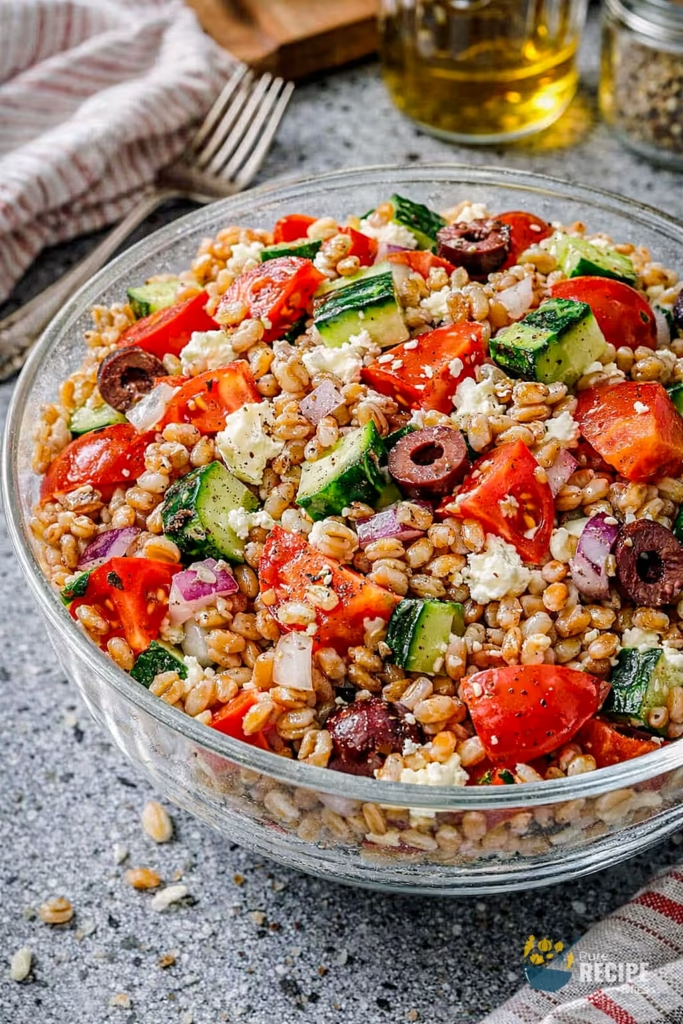
1. Serve with grilled meats:
This Mediterranean Farro Salad pairs well with grilled chicken or steak because the freshness balances the heavier flavors.
2. Perfect for seafood nights:
I’ve served it alongside baked salmon, and the lemon dressing matched nicely with the fish.
3. Pairs well with bread:
Sometimes I just keep it simple and eat it with warm pita or crusty bread for a light meal.
4. Great for gatherings:
It works well at picnics or potlucks since it holds up at room temperature and looks colorful on the table.
Storage & Reheating Tips:
- How long it keeps: The Mediterranean Farro Salad usually stays fresh in the fridge for about four to five days. I’ve noticed the flavors get stronger after the first day, which makes leftovers taste even better.
- Best storage method: I always keep it in a covered container so the veggies don’t dry out. If the salad feels a little flat the next day, I add a splash of olive oil or vinegar to bring it back.
- Simple reheating advice: This salad is meant to be eaten cold or at room temperature, so I don’t reheat it. If you prefer it slightly warm, you can let it sit out for a bit before serving.
Frequently Asked Questions (FAQ):
-
Can I substitute the grain?
Yes, you can use quinoa, barley, or bulgur instead of farro. I’ve tried quinoa once when I ran out of farro, and it worked fine, though the texture was lighter.
-
Can I make it ahead of time?
Absolutely, the Mediterranean Farro Salad holds up well in the fridge. I usually make it the night before, but I wait to add fresh herbs until serving so they don’t wilt.
-
What if the texture feels off?
If the farro is too firm, it probably needs a little more cooking. If it’s mushy, it was cooked too long. Aim for chewy but tender grains.
-
Is it suitable for dietary needs?
Yes, it’s naturally vegetarian. If you want it dairy-free, just skip the feta or replace it with a dairy-free cheese.
-
Can I adjust the dressing?
Definitely. I sometimes add extra lemon juice if I want it brighter, or a touch of honey if I prefer a slightly sweeter flavor.
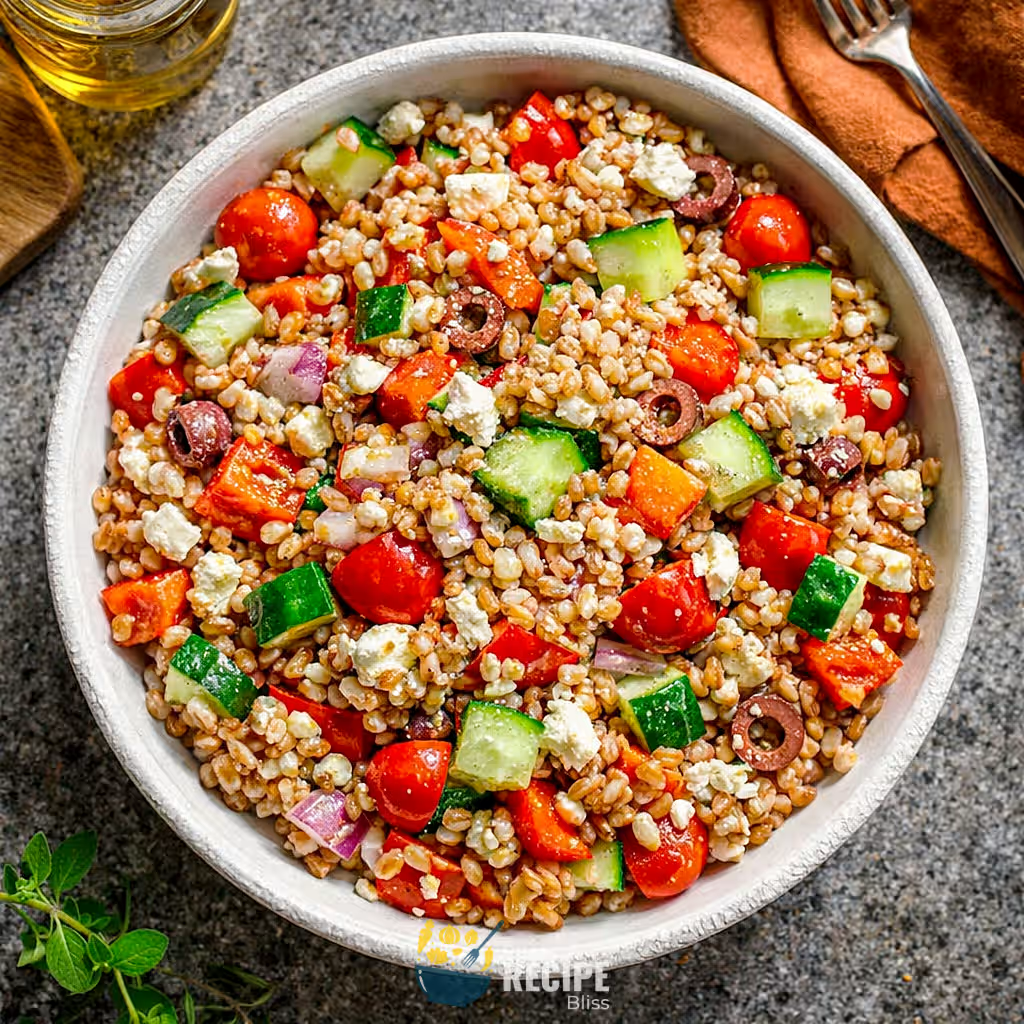
Mediterranean Farro Salad
Description
Mediterranean Farro Salad is a hearty grain salad made with chewy farro, crisp vegetables, briny olives, and tangy feta cheese, all tossed in a lemon vinaigrette. It’s simple to prepare, keeps well in the fridge, and works for lunch, dinner, or as a side dish.
Ingredients
Instructions
- Boil 9 oz farro in water until tender and chewy, about 12 minutes. Drain and spread on a plate to cool completely.
- Dice 3/4 cup cucumber, 1 medium red bell pepper, and 1/2 cup red onion. Halve 1 cup cherry tomatoes and place all in a large bowl.
- Mix in 1/2 cup chopped Kalamata olives and 1/2 cup crumbled feta cheese with the cooled farro and vegetables.
- In a jar, combine 3 tbsp olive oil, 2 tbsp white wine vinegar, zest and juice of 1 lemon, 2 tsp Dijon mustard, 1/2 tsp salt, and 1/4 tsp pepper. Shake until smooth.
- Pour vinaigrette over the farro mixture and toss thoroughly until grains and vegetables are evenly coated.
- Taste and adjust seasoning if needed. Serve immediately or refrigerate up to 5 days in a covered container.
Notes
- Cooling farro fully prevents the veggies from softening too quickly.
- If red onion tastes too sharp, soak it in cold water for 5 minutes before adding.
- Add fresh herbs like parsley or basil right before serving for extra flavor.
Nutrition Facts
Servings 6
Serving Size 1 cup
- Amount Per Serving
- Calories 305kcal
- % Daily Value *
- Total Fat 12g19%
- Saturated Fat 4g20%
- Cholesterol 9mg3%
- Sodium 320mg14%
- Total Carbohydrate 42g15%
- Dietary Fiber 6g24%
- Sugars 11g
- Protein 9g18%
- Vitamin A 950 IU
- Vitamin C 18 mg
- Calcium 110 mg
- Iron 2.2 mg
- Vitamin D 12 IU
* Percent Daily Values are based on a 2,000‑calorie diet, and your daily needs may be higher or lower depending on your lifestyle. Nutrition information is shared only as a general estimate and may not always be fully accurate. If you follow a special diet or have specific health concerns, it’s best to check with a registered dietitian for personalized guidance.