Sometimes I just want a meal that doesn’t take much effort but still feels fresh, and that’s when I usually make Thai Chicken Salad. It’s quick to put together, especially if I already have cooked chicken in the fridge, and the mix of crunchy vegetables makes it feel light but filling at the same time.
I usually think of it as something I’d make for lunch or dinner when I don’t want anything heavy, but it also works as a small snack if you keep the portion simple. It’s one of those dishes that fits into different parts of the day without feeling out of place, which is why I keep it in my regular rotation.
What is Thai Chicken Salad?
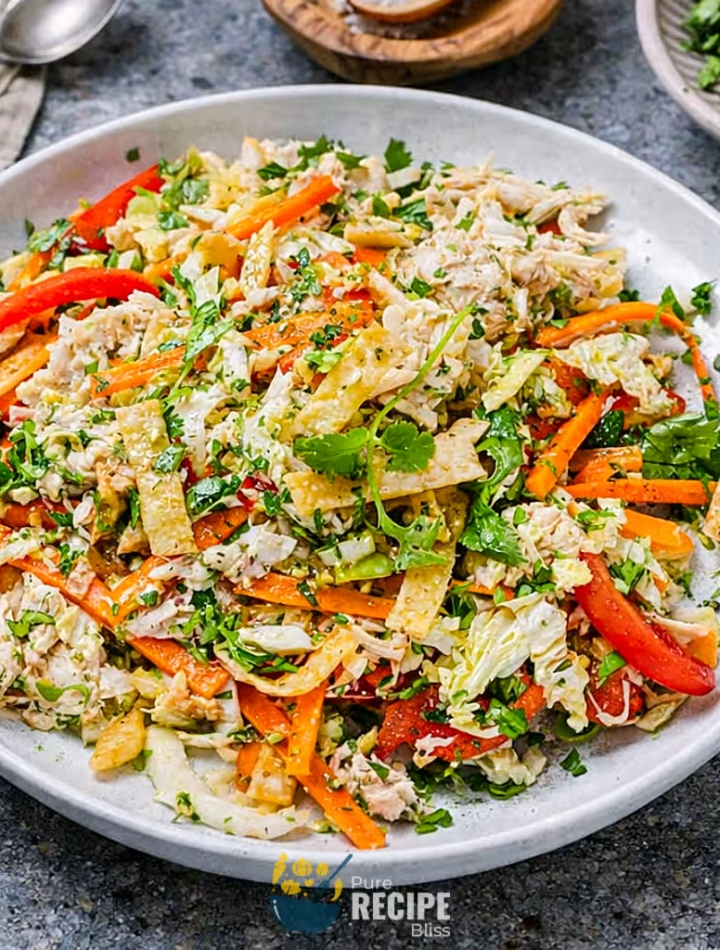
Thai Chicken Salad is basically a mix of shredded chicken with fresh vegetables like cabbage, carrots, and bell peppers, all tossed together in a ginger-sesame dressing. It’s not complicated, but it feels like more than just a regular salad because the flavors are bold and the crunch makes it satisfying.
Most of the time, people enjoy it as a main dish for lunch or dinner since it has enough protein to keep you full, but it can also be served as a side with other Asian-inspired meals. It’s the kind of dish that works well when you want something light but still filling, and it’s easy to adjust depending on what you have at home.
Why You’ll Love This Recipe:
- Quick to make: You don’t need much time for Thai Chicken Salad because once the chicken is cooked or ready, the rest is just chopping and mixing, so it comes together faster than most meals.
- Balanced and filling: Even though it’s called a salad, it has enough chicken and crunch to feel like a proper meal, so you don’t end up hungry right after eating.
- Easy to adjust: You can swap the chicken for shrimp or tofu, or even add noodles if you want something heavier, so it works with whatever you already have at home.
- Fresh flavor every time: The ginger-sesame dressing gives a strong taste that makes the vegetables more exciting, and I sometimes add a little extra vinegar when I want more tang.
- Good for different occasions: I’ve had it as a quick lunch, but I’ve also served it as a side with rice or soup for dinner, so it fits into different meal plans without much effort.
Ingredients Needed:
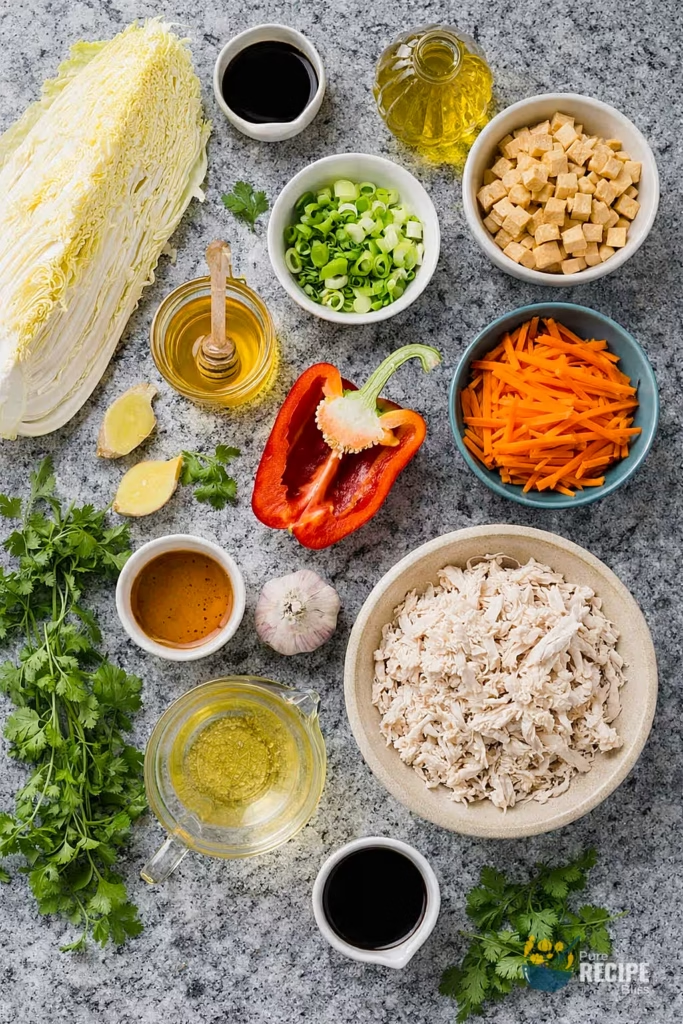
When I make Thai Chicken Salad, I usually keep the ingredients simple and easy to find, but I also like to point out why each one matters so you know what to expect.
- Shredded chicken: Using rotisserie chicken saves time because it’s already cooked, and it also adds extra flavor compared to plain boiled chicken.
- Cabbage: Napa cabbage works best since it’s softer, but regular green or red cabbage can be used too, and they give more crunch if that’s what you like.
- Carrots: Matchstick carrots from the store are quick to use, but grating them at home gives a fresher taste, so it depends on how much time you have.
- Bell pepper: Red bell pepper adds color and sweetness, but you can use yellow or green if that’s what you already have in the fridge.
- Cilantro and green onions: These add freshness, and I sometimes use extra cilantro because it makes the salad taste brighter.
- Crunch topping: Wonton crisps are fun, but peanuts or cashews work just as well, and I often switch depending on what’s available.
- Ginger-sesame dressing: This is the part that ties everything together, and I like to make a small extra batch so I can use it later in the week on other salads.
💡 Note: For the full ingredient list with exact amounts and measurements, please check the recipe card below.
Step-By-Step Instructions to Make Thai Chicken Salad:
One small thing I learned while making this at home is that it’s better to keep the dressing separate until the very end, because if you mix it too early the cabbage and carrots lose their crunch faster.
Step 1: Prepare the vegetables
Start by chopping the cabbage, slicing the bell pepper, and getting the carrots ready. I usually keep the pieces a little thicker because it gives more crunch, but you can cut them thinner if you prefer a softer bite. Try to keep everything roughly the same size so it mixes evenly.
Step 2: Shred the chicken
If you’re using rotisserie chicken, pull it apart while it’s still slightly warm because it comes apart more easily. If you’re cooking chicken at home, let it cool just enough so you can handle it, then shred it into bite-sized pieces. The chicken should feel tender and moist, not dry.
Step 3: Make the dressing
Combine the vinegar, soy sauce, garlic, ginger, honey, sesame oil, and olive oil in a jar. Shake it until the mixture looks smooth and slightly glossy. I sometimes taste it here and add a little extra vinegar if I want more tang. The dressing should smell fresh and nutty with a hint of sweetness.
Step 4: Assemble the salad
Place the chicken and vegetables in a large bowl, then drizzle some of the dressing over the top. Toss gently so everything gets coated but doesn’t turn soggy. The salad should look colorful and feel crisp when you mix it.
Step 5: Add the crunch topping
Finish by sprinkling wonton crisps, peanuts, or cashews right before serving. This keeps them crunchy and adds a nice texture contrast. I’ve tried adding them too early, and they softened quickly, so it’s better to wait until the end.
💡 Note: These steps are just an overview. For detailed quantities, measurements, and exact timings to make this recipe, please check the recipe card below.
Helpful Tips For The Best Results:
- Keep the crunch: Always add the wonton crisps or nuts at the very end, because if you mix them too early they lose their crunch and taste soft.
- Taste the dressing first: Before pouring it over the salad, give the dressing a quick taste. Sometimes I add a little more vinegar if the chicken feels heavy, or a touch of honey if it tastes too sharp.
- Cut evenly: Try to slice the vegetables into similar sizes, because if some are too big and others too small, the salad doesn’t mix well and you end up with uneven bites.
- Don’t overdress: Start with less dressing and add more only if needed, because too much liquid makes the cabbage soggy and takes away the fresh texture.
- Swap smartly: If you don’t have napa cabbage, regular green cabbage works fine, but keep in mind it’s crunchier and takes longer to soften once dressed.
Tasty Variations to Try:
- Protein swap: Use shrimp, tofu, or even leftover grilled salmon instead of chicken, and each one changes the flavor in a good way.
- Nutty twist: Replace wonton crisps with roasted peanuts or cashews, which add a deeper flavor and extra crunch.
- Seasonal veggies: In summer I sometimes add cucumber slices or snap peas, while in colder months shredded red cabbage makes it more colorful.
- Noodle version: Toss in soba noodles or ramen to make it more filling, especially if you want it to feel like a full dinner.
- Spicy kick: Add a little chili oil or red pepper flakes to the dressing if you like heat, but go slow because it can get strong quickly.
- Herb change: Try swapping cilantro with mint or basil for a different fresh taste, especially if you’re not a fan of cilantro.
Serving Suggestions:
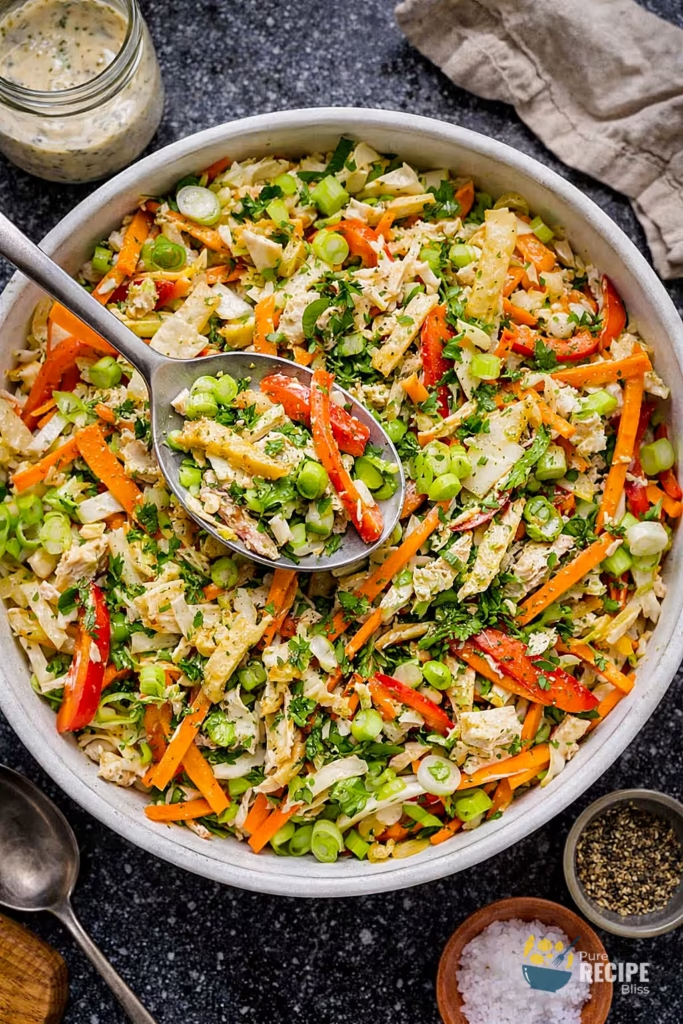
1. Serve with rice:
Thai Chicken Salad pairs well with a small side of jasmine rice, because the rice balances the crunch and makes the meal feel more complete.
2. Perfect for lunch:
It works best as a light lunch since it has protein and vegetables together, and it doesn’t feel too heavy during the day.
3. Pairs well with soup:
A clear broth or miso soup goes nicely with the salad, because the warm soup contrasts with the cold crunch.
4. Great for gatherings:
You can serve it in smaller portions as a side dish at dinner or even in lettuce cups for a casual get-together.
Storage & Reheating Tips:
- How long it keeps: Thai Chicken Salad usually stays fresh for about two to three days if you store it properly, but it tastes best within the first day because the vegetables keep their crunch.
- Best storage method: Keep the salad and dressing in separate containers, because mixing them too early makes the cabbage and carrots soggy. I usually use airtight containers so the flavors don’t fade.
- Simple reheating advice: If you want the chicken warm, heat it gently on the stove or in the microwave before mixing it back in, but don’t reheat the vegetables since they lose texture.
Frequently Asked Questions (FAQ):
-
Can I substitute the chicken?
Yes, you can use shrimp, tofu, or even salmon instead of chicken, and each option changes the flavor slightly but still works well with the ginger-sesame dressing.
-
Can I make it ahead of time?
You can prepare the vegetables and dressing in advance, but it’s better to keep them separate until serving so the cabbage and carrots don’t lose their crunch.
-
Why does my salad feel soggy?
This usually happens if too much dressing is added early. Try starting with a small amount and add more only when mixing right before eating.
-
Is Thai Chicken Salad gluten-free?
It can be if you use tamari or coconut aminos instead of soy sauce, and also check your crunch topping since wonton strips usually contain wheat.
-
Can I make it dairy-free?
Yes, the recipe is naturally dairy-free, so you don’t need to change anything unless you add extra toppings that contain dairy.
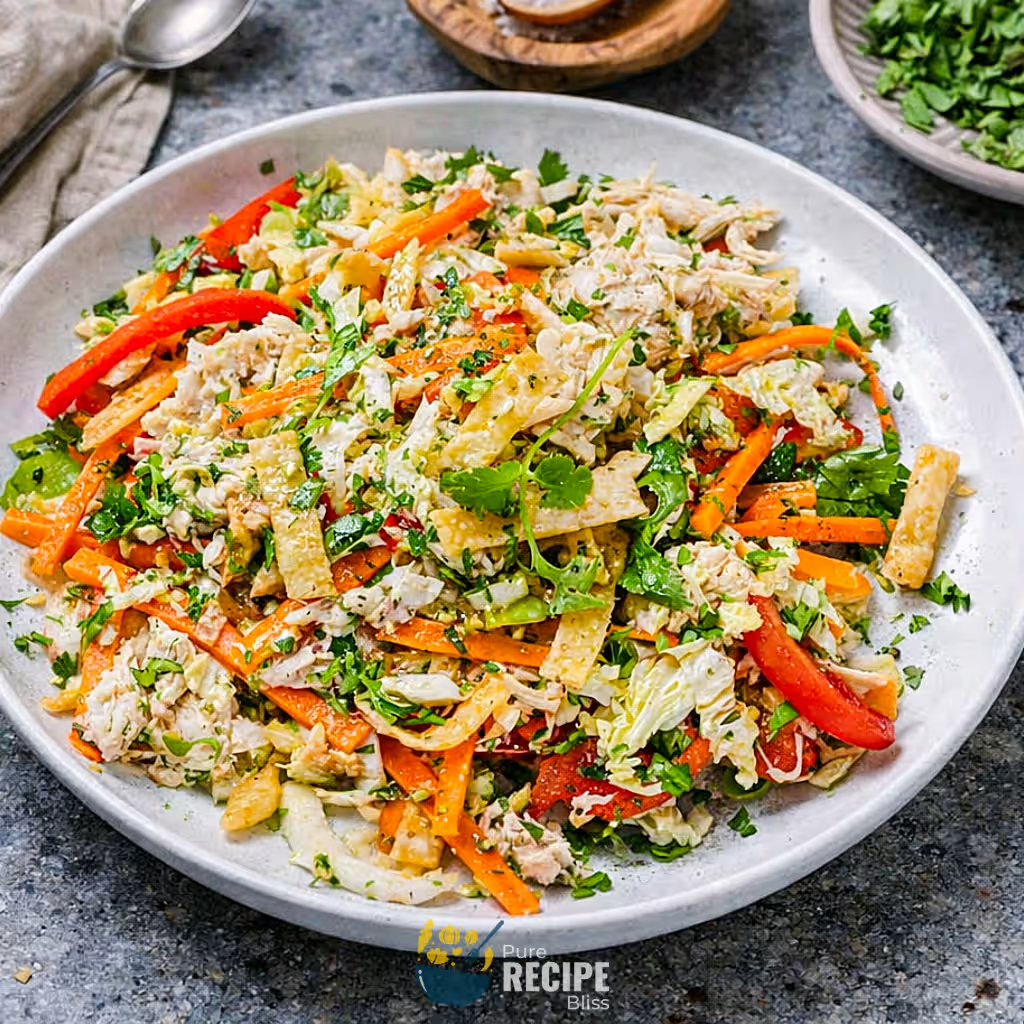
Thai Chicken Salad
Description
Thai Chicken Salad is a fresh and crunchy mix of shredded chicken, cabbage, carrots, bell peppers, and herbs tossed in a ginger-sesame dressing. It’s quick to prepare, flexible with ingredients, and works well for lunch, dinner, or even as a light side dish.
Ingredients
For the Ginger-Sesame Dressing:
Instructions
- Chop 3 ½ cups napa cabbage, 1 red bell pepper, and 1 ¾ cups carrots into even pieces so they mix well together. Place them aside in a large bowl.
- Shred 2 ½ cups cooked chicken into bite-sized pieces while still slightly warm for easier handling, then add it to the bowl with the vegetables.
- In a jar, combine 4 tbsp rice vinegar, 2 ½ tbsp soy sauce, 2 cloves garlic (minced), 2 ½ tbsp honey, 1 tbsp grated ginger, 2 tsp toasted sesame oil, and 3 ½ tbsp olive oil. Shake until smooth and glossy.
- Pour half of the dressing over the chicken and vegetables, toss gently, then add more dressing if needed until everything looks evenly coated.
- Sprinkle ½ cup roasted peanuts or cashews (or wonton crisps) on top right before serving to keep them crunchy.
Notes
- If you want extra tang, add an extra teaspoon of rice vinegar to the dressing.
- Keep dressing separate until serving to avoid soggy vegetables.
- Rotisserie chicken adds more flavor compared to plain boiled chicken.
Nutrition Facts
Servings 5
Serving Size 1 bowl (~250 g)
- Amount Per Serving
- Calories 310kcal
- % Daily Value *
- Total Fat 16g25%
- Saturated Fat 3g15%
- Sodium 270mg12%
- Total Carbohydrate 19g7%
- Dietary Fiber 3g12%
- Sugars 9g
- Protein 22g44%
- Vitamin A 4200 IU
- Vitamin C 38 mg
- Calcium 65 mg
- Iron 2.1 mg
- Vitamin D 20 IU
* Percent Daily Values are based on a 2,000‑calorie diet, and your daily needs may be higher or lower depending on your lifestyle. Nutrition information is shared only as a general estimate and may not always be fully accurate. If you follow a special diet or have specific health concerns, it’s best to check with a registered dietitian for personalized guidance.