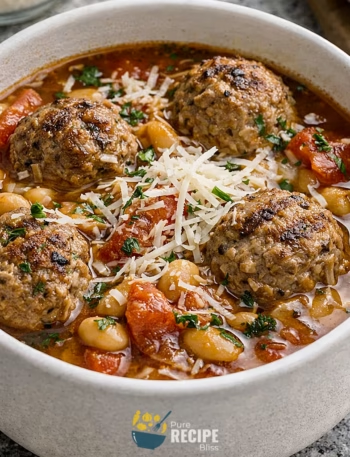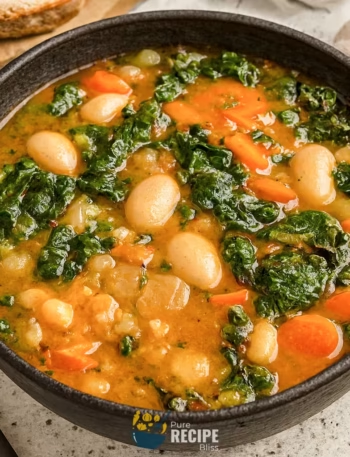
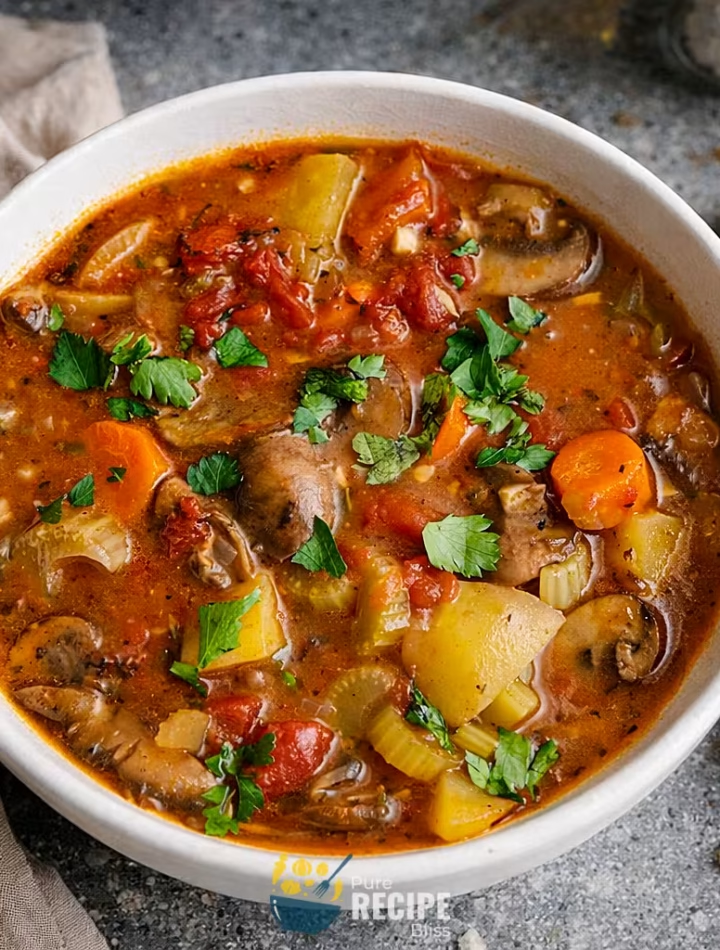
When I first tried making vegetable stew at home, I realized it’s one of those dishes that doesn’t ask for much effort but still feels like a full meal. You just chop a few vegetables, let them cook together in one pot, and the result is something warm and filling without needing fancy steps.
I usually make it for dinner because it’s hearty enough to stand alone, but it also works for lunch if you want something that keeps you satisfied. It’s quick to prepare compared to many other comfort foods, and that’s why I keep coming back to it.
What is Vegetable Stew?
Vegetable stew is basically a thick and hearty mix of different vegetables cooked together in one pot until everything blends into a flavorful broth. It’s not the same as a soup because it comes out richer and more filling, almost like a full meal on its own.
Most people enjoy it as a main dish for lunch or dinner, and it’s usually served with bread, rice, or something simple on the side to soak up the broth. The potatoes make it satisfying, while the mushrooms give it a nice texture that feels almost meaty.
In everyday cooking, vegetable stew is one of those dishes that works well when you want something warm and balanced without needing meat. It’s flexible too, since you can add beans or greens depending on what you have at home.
Why You’ll Love This Recipe:
- Quick to put together: You don’t need a long list of steps, because most of the work is just chopping the vegetables and letting them cook in one pot, which makes it feel very manageable even on a busy day.
- Filling without meat: The potatoes and mushrooms make the stew hearty enough that you don’t miss meat, and it still feels satisfying when served as the main dish for lunch or dinner.
- Easy to adjust: If you have extra vegetables lying around, you can toss them in, and if you want more protein, beans work well, so it’s flexible depending on what you have at home.
- Good for leftovers: The flavor actually gets stronger after sitting overnight, so reheating it the next day makes it taste even better, which is nice if you want to cook once and enjoy twice.
- Comfort in a bowl: It’s the kind of dish that makes the kitchen smell cozy while it simmers, and that little detail always makes me look forward to serving it.
Ingredients Needed:
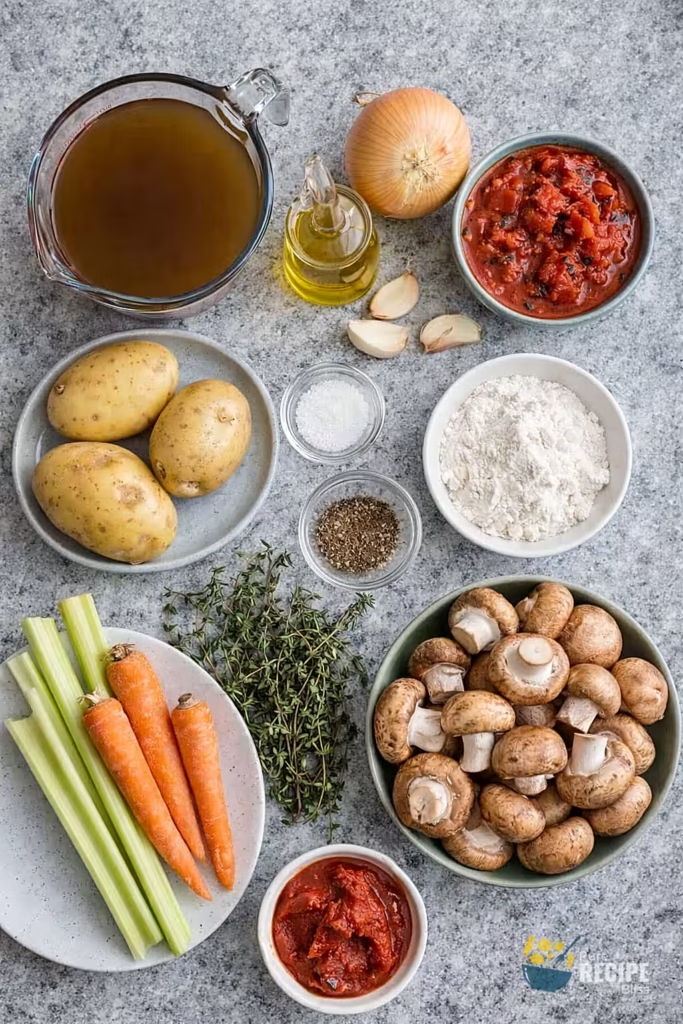
When you make vegetable Stew, you don’t really need anything fancy, but you do need a few basic ingredients that each play an important role in how the dish tastes and feels. Here’s a simple breakdown so it’s easier to understand what each one does.
- Olive oil: You only need a couple of tablespoons, and it helps start the cooking process by softening the onions and mushrooms while adding a little richness.
- Onion: One medium onion works well, and chopping it evenly makes sure it blends into the stew without leaving big raw pieces.
- Mushrooms: I usually go with baby bella mushrooms because they give a nice texture, but honestly any mushrooms you have at home will do the job.
- Carrots: Three carrots sliced into small rounds add sweetness and color, and they hold their shape even after simmering.
- Celery: A few stalks of celery bring a mild flavor that balances the stew, and it also adds a bit of crunch if not overcooked.
- Garlic: Three cloves minced are enough, and I like to add them after the onions so they don’t burn too quickly.
- Fresh thyme: A couple of tablespoons of thyme leaves give the stew a fresh taste, and dried thyme can be used if that’s what you have.
- Salt and black pepper: Seasoning is important, and I usually taste once after adding broth and again before serving to adjust.
- Tomato paste: Just one tablespoon makes the flavor deeper, and cooking it for a minute before adding liquid helps a lot.
- All-purpose flour: A small amount coats the vegetables and thickens the stew, so it doesn’t end up watery.
- Fire-roasted diced tomatoes: One can adds a smoky flavor, and I prefer fire-roasted because it makes the broth taste richer.
- Vegetable broth: Four cups are enough to cover the vegetables, and homemade or store-bought both work fine.
- Potatoes: Three medium Yukon gold potatoes cut into chunks make the stew filling, and they soften nicely without falling apart.
- Parsley (optional): A handful of chopped parsley at the end brightens the dish, but it’s not necessary if you don’t have it.
💡 Note: For the full ingredient list with exact amounts and measurements, please check the recipe card below.
Step-By-Step Instructions to Make Vegetable Stew:
One small thing I learned while making this at home is that the stew tastes much better if you give the onions and mushrooms enough time at the start. I once rushed that step, and the flavor ended up weaker, so now I always let them cook until they look golden and smell sweet before moving on.
Step 1: Cook onions and mushrooms
Start by heating a little oil in your pot, then add the chopped onion and sliced mushrooms. Keep stirring now and then until the onions turn golden and the mushrooms shrink down and release their juices. This step builds the base flavor, so don’t rush it.
Step 2: Add carrots, celery, garlic, and thyme
Once the onions and mushrooms look ready, toss in the carrots, celery, garlic, and thyme. Stir them around and let them soften a bit. The garlic should smell fragrant but not burned, so I usually add it after the onions are already cooked.
Step 3: Stir in tomato paste
Next, add the tomato paste and mix it well with the vegetables. Let it cook for a short while until it darkens slightly and looks thicker. This step makes the flavor deeper, and I noticed skipping it once made the stew taste flat.
Step 4: Sprinkle flour over vegetables
Sprinkle flour on top and stir until everything looks coated. The flour helps thicken the stew later, so make sure it blends evenly with the vegetables. It should look a little sticky at this point, which is normal.
Step 5: Add tomatoes and broth
Pour in the diced tomatoes and vegetable broth, then scrape the bottom of the pot with your spoon to loosen any bits stuck there. This keeps the flavor in the stew and prevents burning. Bring it up to a gentle boil.
Step 6: Add potatoes and simmer
Once the liquid is bubbling, add the potato chunks. Lower the heat and let the stew simmer until the potatoes are tender. I usually check by poking with a fork like if it slides in easily, they’re done. The stew should look thicker by now.
Step 7: Finish with parsley
When the stew looks ready, sprinkle fresh parsley on top before serving. It adds a bit of color and freshness, which balances the rich flavor.
💡 Note: These steps are just an overview. For detailed quantities, measurements, and exact timings to make this recipe, please check the recipe card below.
Helpful Tips For The Best Results:
- Texture matters: Try to cut the potatoes, carrots, and celery into similar sizes because when they cook evenly, the stew feels smoother to eat and you don’t end up with half-soft and half-hard pieces.
- Heat control: Keep the pot on medium heat when starting with onions and mushrooms, because if the heat is too high they burn quickly, and if it’s too low they don’t caramelize enough to build flavor.
- Thickening tip: When adding flour, stir it well until the vegetables look coated, because if you leave clumps, the stew later feels grainy instead of silky.
- Ingredient swaps: If you don’t have fresh thyme, dried thyme works fine, and if you’re out of vegetable broth, water with a bouillon cube can still give decent flavor.
- Taste as you go: I usually check seasoning twice — once after adding broth and again before serving — because the flavor changes as it simmers.
Tasty Variations to Try:
- Add beans: Toss in chickpeas or white beans if you want more protein and a thicker texture.
- Leafy greens: Spinach or kale stirred in at the end makes the stew fresher and adds extra nutrients.
- Make it creamy: A splash of coconut milk or even a spoonful of yogurt changes the stew into something smoother and richer.
- Seasonal swap: In summer, zucchini or bell peppers can be added, while in winter, root vegetables like parsnips or turnips fit well.
- Cheese finish: A sprinkle of parmesan or cheddar right before serving gives a different flavor twist, even though it’s not traditional.
- Instant Pot option: If you’re short on time, you can use the sauté setting for the base and then pressure cook for a few minutes to speed things up.
Serving Suggestions:
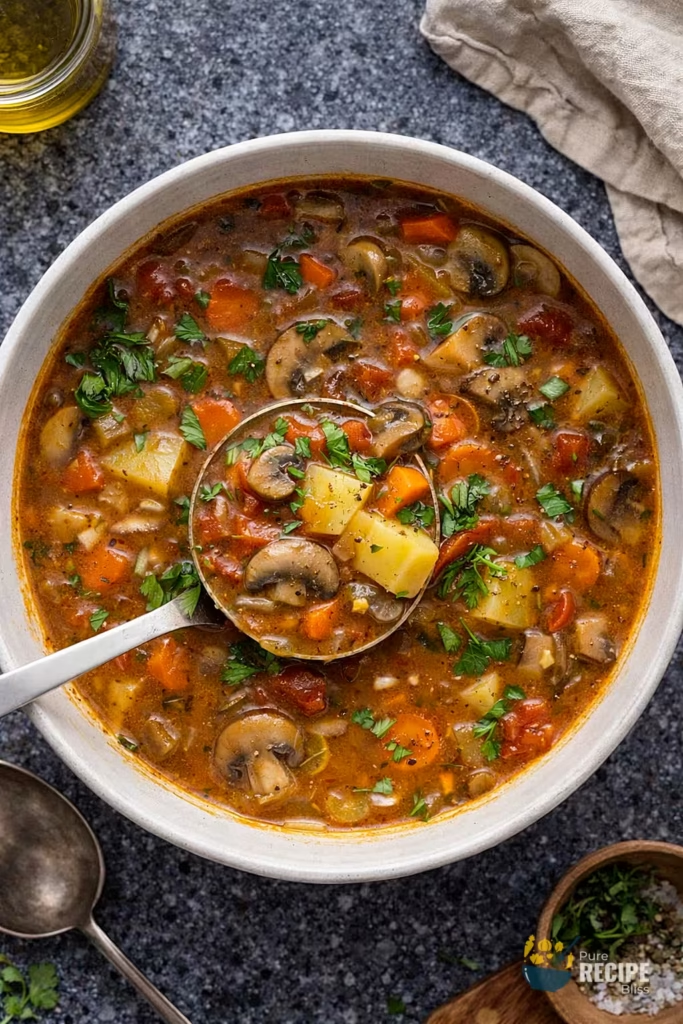
1. Serve with bread:
A slice of crusty bread or garlic toast works well because it soaks up the thick broth and makes the meal feel complete.
2. Perfect for dinner:
This stew is filling enough to serve as the main dish at dinner, especially on colder evenings when you want something warm.
3. Pairs well with rice:
If you prefer a little extra bulk, ladling the stew over rice gives it a different texture and makes it more satisfying.
4. Add a salad:
A simple green salad on the side balances the richness of the stew and adds freshness to the plate.
Storage & Reheating Tips:
- How long it keeps: Vegetable stew stays fine in the fridge for about three to four days, and the flavor usually gets stronger after the first day.
- Best storage method: Keep it in an airtight container, and if freezing, leave some space at the top since the liquid expands.
- Simple reheating advice: Warm it gently on the stove, or use the microwave in short bursts, stirring halfway so the potatoes don’t dry out.
Frequently Asked Questions (FAQ):
-
Can I swap the mushrooms for something else?
Yes, you can leave them out or replace them with zucchini or bell peppers, but keep in mind the texture will feel lighter compared to the meaty bite mushrooms give.
-
Can vegetable stew be made ahead of time?
It works well if cooked a day earlier because the flavors blend more overnight, and reheating later makes it taste even richer.
-
What if the stew feels too thin or too thick?
If it’s too thin, let it simmer uncovered for a while, and if it’s too thick, add a splash of broth or water until it loosens.
-
Is this recipe gluten-free?
Not as written, since flour is used for thickening, but you can easily swap it with cornstarch or arrowroot slurry to make it gluten-free.
-
Can I freeze vegetable stew?
Yes, it freezes fine for a couple of months, but I usually leave a little space in the container since the liquid expands when frozen.
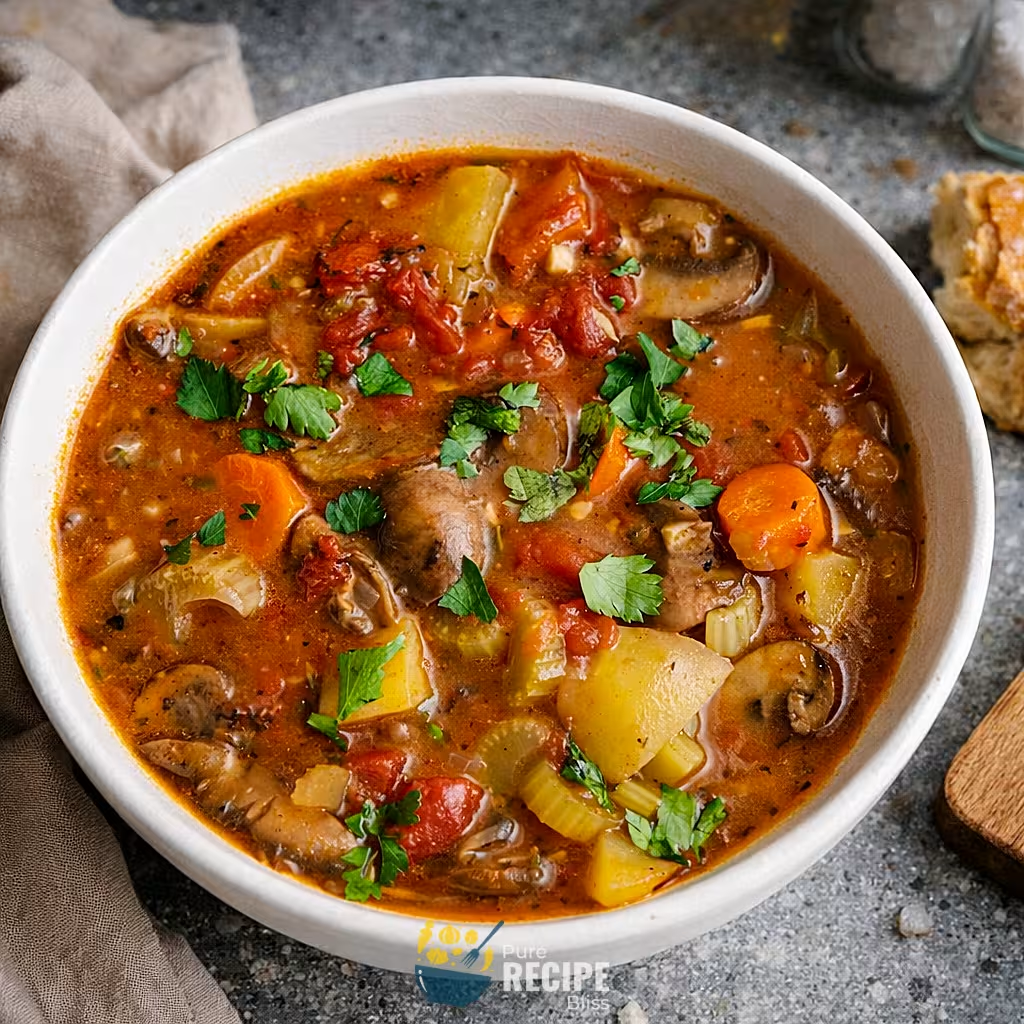
Vegetable Stew
Description
This vegetable stew is a hearty one-pot meal made with potatoes, mushrooms, carrots, celery, and onions simmered in a tomato-based broth. It’s filling, cozy, and perfect for dinner when you want something warm without needing meat.
Ingredients
Instructions
- Heat 2 ½ tablespoons olive oil in a large pot over medium heat. Add 1 medium chopped onion and 10 ounces sliced baby bella mushrooms. Cook, stirring occasionally, until onions turn golden and mushrooms release their juices.
- Add 2 large sliced carrots, 2 sliced celery stalks, 4 minced garlic cloves, and 1 ½ tablespoons fresh thyme leaves. Stir and cook until vegetables begin to soften. Season with 1 teaspoon salt and ¾ teaspoon black pepper.
- Stir in 2 tablespoons tomato paste and cook until it darkens slightly. Sprinkle 3 tablespoons all-purpose flour over the vegetables and stir until evenly coated.
- Pour in 1 (15-ounce) can fire-roasted diced tomatoes and 4 ½ cups low-sodium vegetable broth. Scrape the bottom of the pot to release any browned bits. Bring to a gentle boil.
- Add 4 medium Yukon gold potatoes cut into 1-inch chunks. Reduce heat to low and simmer uncovered until potatoes are fork-tender and the stew thickens, about 40–45 minutes.
- Taste and adjust seasoning if needed. Garnish with fresh chopped parsley before serving.
Notes
- If stew feels too thick, add a splash of broth; if too thin, simmer uncovered for 10 minutes.
- Dried thyme works fine if fresh isn’t available.
- Leftovers taste richer the next day, so making it ahead is a good option.
Nutrition Facts
Servings 5
Serving Size 1 ½ cups
- Amount Per Serving
- Calories 260kcal
- % Daily Value *
- Total Fat 8g13%
- Saturated Fat 1.5g8%
- Sodium 780mg33%
- Potassium 850mg25%
- Total Carbohydrate 43g15%
- Dietary Fiber 7g29%
- Sugars 6g
- Protein 7g15%
- Vitamin A 8100 IU
- Vitamin C 38 mg
- Calcium 65 mg
- Iron 2.2 mg
* Percent Daily Values are based on a 2,000‑calorie diet, and your daily needs may be higher or lower depending on your lifestyle. Nutrition information is shared only as a general estimate and may not always be fully accurate. If you follow a special diet or have specific health concerns, it’s best to check with a registered dietitian for personalized guidance.