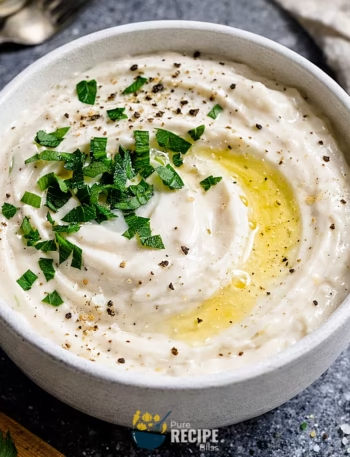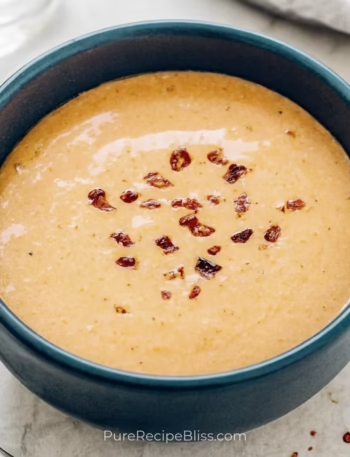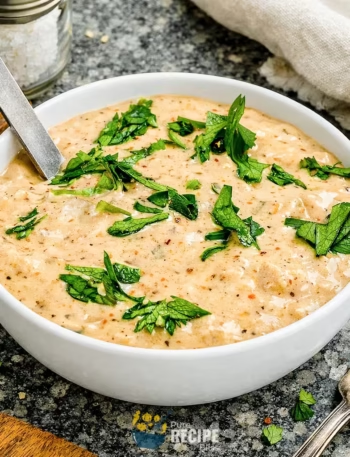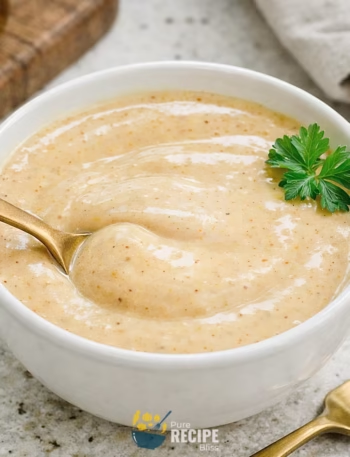
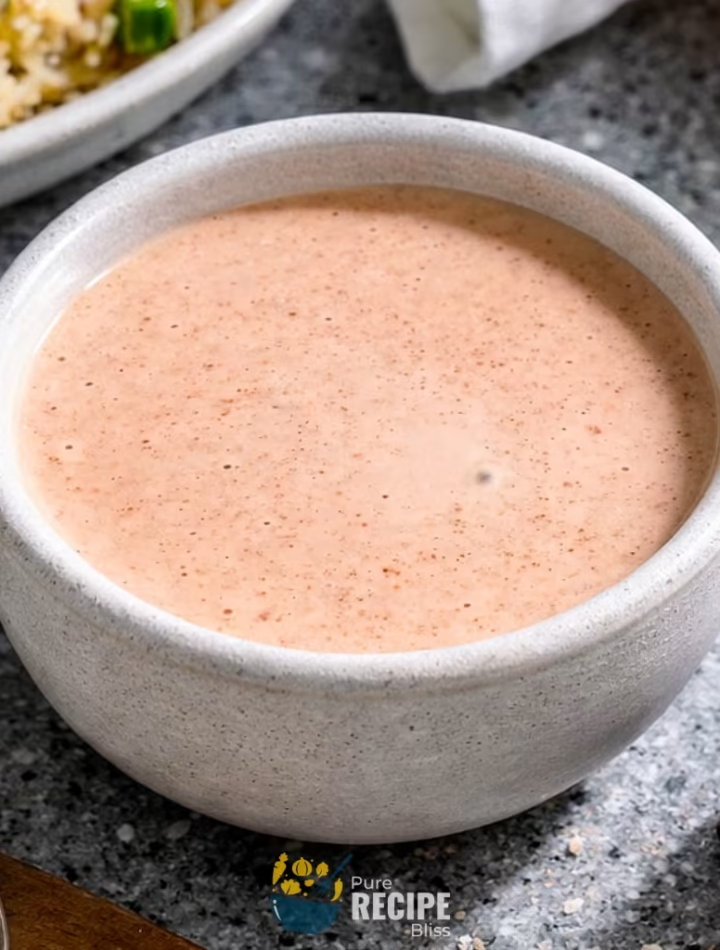
I wanted to share this Homemade Yum Yum Sauce recipe because it’s one of those quick little things that makes a big difference at mealtime. It’s a creamy sauce that you can mix together in about fifteen minutes, and it doesn’t take any special effort or equipment.
I usually make it when I’m planning dinner, but it works just as well for lunch bowls or even as a dip for snacks. It’s the kind of sauce that ends up on the table more often than you expect, and once you try it, you’ll see why. Now let’s talk about what Yum Yum Sauce actually is.
What is Yum Yum Sauce?
Yum Yum Sauce is a creamy, mayonnaise-based condiment that has become really popular in Japanese-style steakhouses. It usually shows up alongside grilled meats, seafood, or fried rice, and people often call it shrimp sauce because that’s one of the most common pairings.
The flavor is a mix of tangy, slightly sweet, and a little smoky from paprika, which makes it versatile enough to drizzle over rice bowls, dip fries into, or spread on sandwiches. It’s not the same as Japanese mayo, since it has tomato paste and seasonings that give it a different taste and texture.
Why You’ll Love This Recipe:
- Quick to prepare: Homemade Yum Yum Sauce comes together in about fifteen minutes, so it doesn’t feel like a big project when you’re already cooking something else.
- Uses everyday ingredients: Most of the items like mayonnaise, tomato paste, and garlic powder are things you probably already have at home, so you don’t need to shop for anything special.
- Easy to adjust: You can make it spicier with red pepper flakes, sweeter with ketchup, or lighter with a squeeze of extra lime juice, depending on what you like.
- Beginner-friendly: There’s no cooking involved, just mixing, so anyone can make it without worrying about timing or technique.
- Works for different meals: I’ve used it with rice bowls, grilled meats, seafood, and even as a spread on sandwiches, so it fits into lunch, dinner, or snacks without much thought.
Ingredients Needed:
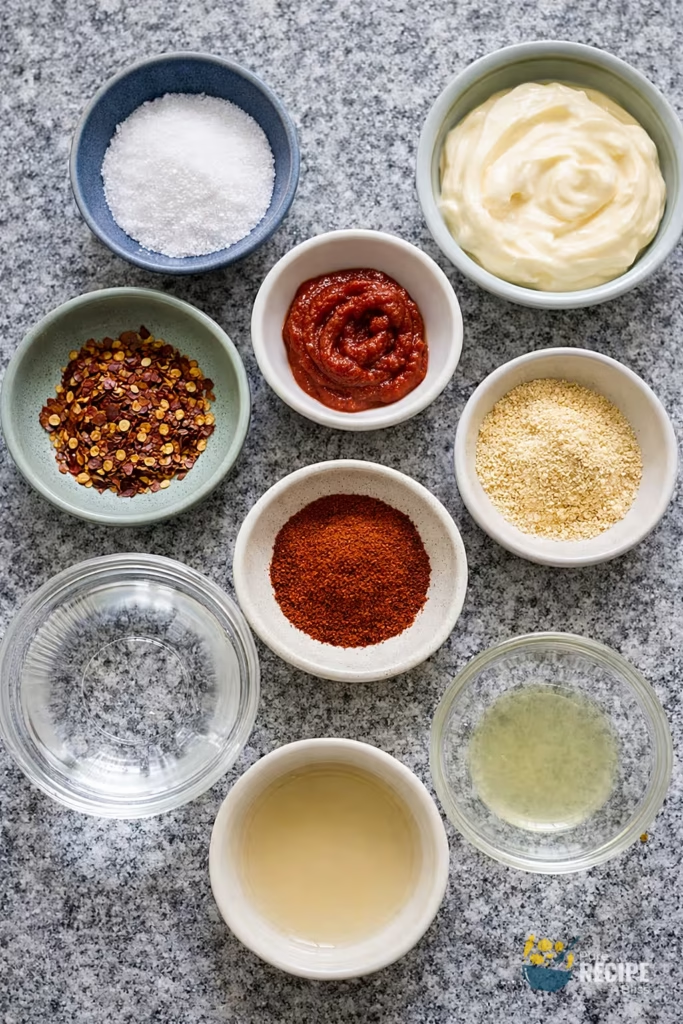
- Creamy base: The main part of this sauce is mayonnaise, and it gives that smooth texture. I usually keep a jar in the fridge, so it’s easy to grab when I want to make this.
- Tangy flavor: Tomato paste or ketchup works here, and each one changes the taste a little. Tomato paste makes it richer, while ketchup adds more sweetness.
- Balanced taste: A small amount of sugar helps soften the sharpness, and it blends better when mixed early with the tomato paste.
- Seasoning touch: Paprika and garlic powder add depth, and I’ve noticed paprika gives a light smoky note that makes the sauce taste fuller.
- Fresh lift: Lime juice brightens the flavor, and a pinch of salt ties everything together. If you like a little heat, red pepper flakes can be added too.
- Easy to adjust: If the sauce feels too thick, a splash of water smooths it out. If it feels too thin, a spoonful of mayo brings it back. I’ve tried both ways depending on what I was serving.
💡 Note: For the full ingredient list with exact amounts and measurements, please check the recipe card below.
Step-By-Step Instructions to Make Yum Yum Sauce:
The order of mixing really matters. When I added the sugar too late, it stayed grainy, but when I blended it earlier with the tomato paste, the sauce turned out smooth and glossy.
Step 1: Start with the base
Begin by adding mayonnaise into a mixing bowl. I like to thin it slightly with a splash of water first because it makes the rest of the ingredients blend in more evenly. The texture should look creamy but not too thick.
Step 2: Mix in the flavor
Add tomato paste or ketchup, whichever you prefer. Tomato paste gives a deeper taste, while ketchup makes it a little sweeter. Stir until the color changes to a light pinkish shade.
Step 3: Season carefully
Sprinkle in paprika and garlic powder. At this stage, the sauce should smell slightly smoky and garlicky. If you like a bit of heat, add red pepper flakes, but keep in mind they can get stronger after the sauce sits overnight.
Step 4: Brighten with lime
Squeeze fresh lime juice into the bowl. This step really lifts the flavor and keeps the sauce from tasting heavy. Stir slowly until everything looks smooth and glossy.
Step 5: Taste and adjust
Give the sauce a quick taste. If it feels too thick, add a little more water. If it feels too thin, stir in a spoonful of mayo. The sauce should coat the back of a spoon without running off too quickly.
Step 6: Rest before serving
Cover the bowl and let the sauce sit in the fridge for a few hours or overnight. This resting time helps the flavors blend together, and the sauce will taste smoother and more balanced.
💡 Note: These steps are just an overview. For detailed quantities, measurements, and exact timings to make this recipe, please check the recipe card below.
Helpful Tips For The Best Results:
- Texture check: Make sure the sauce coats the back of a spoon. If it runs off too quickly, add a little more mayo. If it feels too thick, a splash of water smooths it out.
- Mix order: I learned that adding sugar earlier with the tomato paste helps it dissolve better. If you add it last, the sauce can feel grainy.
- Heat control: Red pepper flakes get stronger after resting overnight. If you don’t want too much spice, add them lightly at first and taste again the next day.
- Ingredient swap: Ketchup works fine instead of tomato paste, but it makes the sauce sweeter. Tomato paste gives a deeper flavor, so choose based on what you’re serving.
- Resting tip: Let the sauce sit in the fridge for a few hours before serving. The flavors blend together better, and it tastes smoother.
Tasty Variations to Try:
- Smoky version: Add a pinch of smoked paprika instead of regular paprika for a deeper flavor.
- Spicy kick: Stir in cayenne pepper or a drop of hot sauce if you like more heat.
- Lighter option: Use light mayonnaise or even Greek yogurt for a lower-fat version. It changes the texture slightly but still works well.
- Seasonal twist: In summer, I sometimes add a little fresh chopped parsley for brightness. In winter, I lean on extra garlic powder for warmth.
- Sweet balance: If you prefer a sweeter sauce, swap lime juice for a touch of rice vinegar and add a little extra sugar.
- Extra creamy: Blend in a spoonful of sour cream for a thicker, richer dip that works well with grilled meats.
Serving Suggestions:
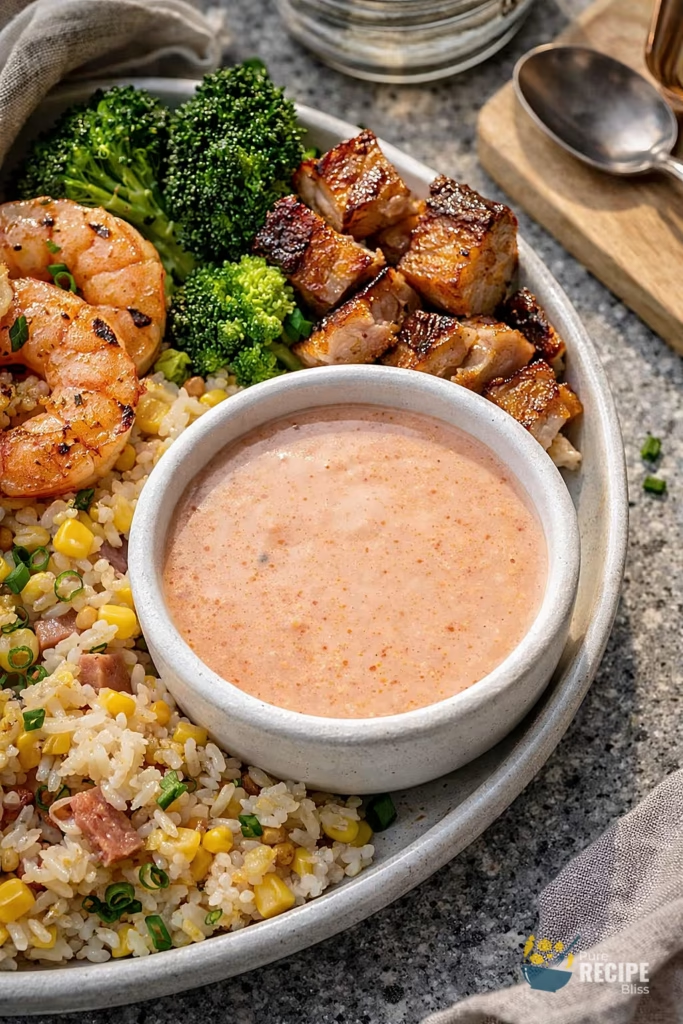
1. Serve with grilled chicken:
This sauce pairs well with skewers or simple grilled chicken, and it adds a creamy balance to the smoky flavor.
2. Perfect for rice bowls:
I often drizzle it over leftover rice with veggies, and it makes a quick lunch feel more complete.
3. Pairs well with seafood:
Shrimp or fish taste great with this sauce, especially when you want something tangy instead of plain tartar.
4. Great for fries:
Both regular fries and sweet potato fries work nicely, and the sauce feels like a fun change from ketchup.
5. Spread on sandwiches:
I’ve used it on burgers and wraps, and it gives them a richer taste without being too heavy.
Storage & Reheating Tips:
- Best storage method: Keep Homemade Yum Yum Sauce in a clean, airtight jar in the refrigerator. This helps it stay fresh and prevents the flavors from changing too quickly.
- How long it keeps: I usually find it tastes best within about a week. After that, the texture can separate a little, so it’s better to make smaller batches.
- Simple reheating advice: This sauce is meant to be served cold, so I don’t recommend heating it. If it thickens in the fridge, just stir it well before using, and it will return to a smooth consistency.
Frequently Asked Questions (FAQ):
-
Can I substitute tomato paste with ketchup?
Yes, you can. Ketchup makes the sauce sweeter and lighter, while tomato paste gives it a deeper flavor. I usually choose based on what I’m serving it with.
-
Can I make Homemade Yum Yum Sauce ahead of time?
Absolutely. I’ve noticed it tastes better after resting overnight in the fridge because the flavors blend together more smoothly.
-
What if the texture feels off?
If the sauce is too thick, add a splash of water. If it feels too thin, stir in a spoonful of mayo. It should coat the back of a spoon without running off.
-
Is Yum Yum Sauce gluten-free?
Yes, it is naturally gluten-free since the ingredients don’t contain wheat. I’ve served it with gluten-free dishes without any issues.
-
Can I make a lighter version?
You can swap regular mayo for light mayo or even Greek yogurt. The taste changes slightly, but it still works well as a dip or spread.
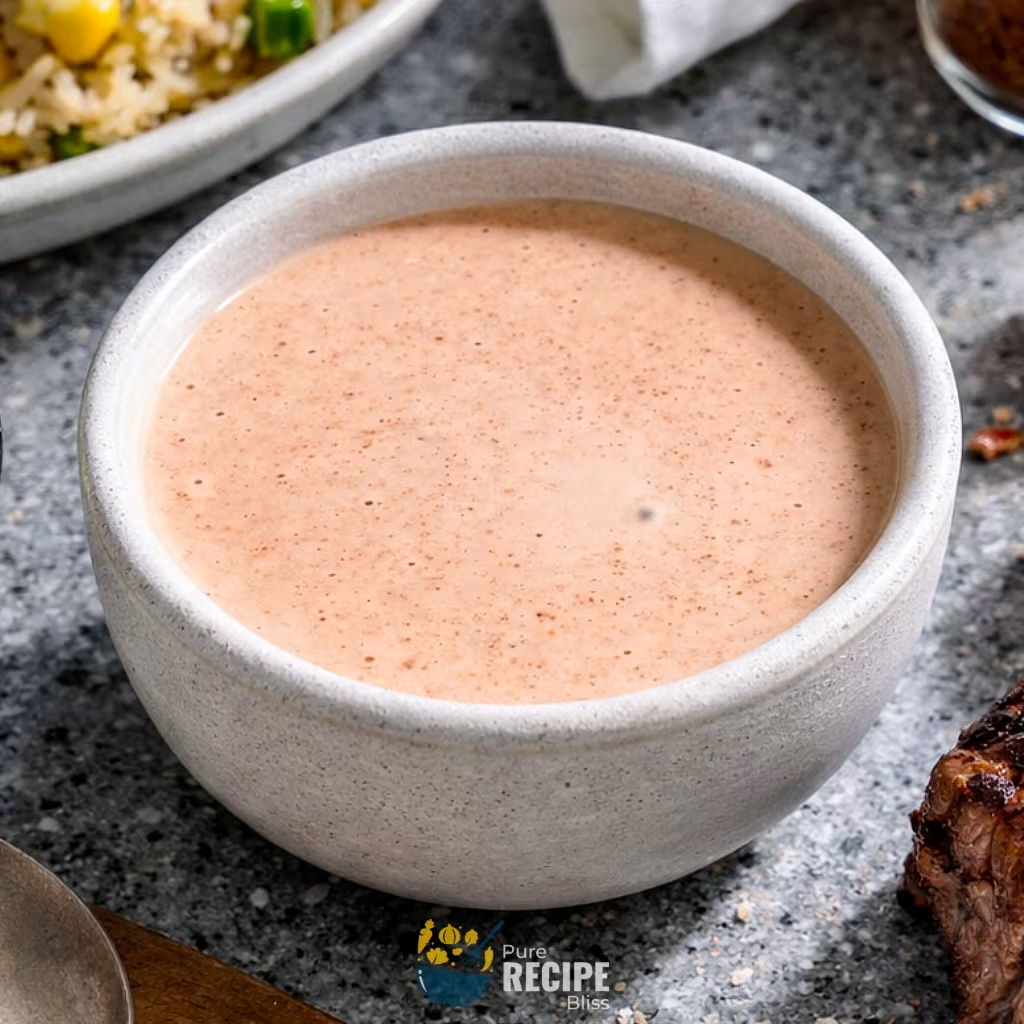
Yum Yum Sauce
Description
Homemade Yum Yum Sauce is a creamy, tangy dip that you can mix together in minutes and keep in the fridge for days. It’s perfect for rice bowls, grilled meats, seafood, or even as a spread on sandwiches.
Ingredients
Instructions
- Add 1 ¾ cups mayonnaise into a medium mixing bowl and stir in 3 tablespoons water until smooth and creamy.
- Mix in 3 tablespoons tomato paste and 1 ½ tablespoons sugar, blending until the sauce turns light pink and the sugar dissolves fully.
- Sprinkle in ½ teaspoon paprika and 1 teaspoon garlic powder, stirring until evenly combined and fragrant.
- Squeeze in the juice of ½ lime and add a pinch of salt. Stir until the sauce looks glossy and smooth.
- If you like spice, add ⅛ teaspoon red pepper flakes and mix well.
- Cover the bowl and refrigerate for at least 2-3 hours before serving to let the flavors blend together.
Notes
- If the sauce feels too thick, add 1-2 teaspoons of water.
- If it feels too thin, stir in 1 tablespoon of mayonnaise.
- Resting overnight makes the flavor smoother and more balanced.
Nutrition Facts
Servings 5
Serving Size About ¼ cup
- Amount Per Serving
- Calories 720kcal
- % Daily Value *
- Total Fat 76g117%
- Saturated Fat 12g60%
- Cholesterol 42mg15%
- Sodium 810mg34%
- Potassium 210mg6%
- Total Carbohydrate 11g4%
- Dietary Fiber 1g4%
- Sugars 9g
- Protein 2g4%
- Vitamin A 680 IU
- Vitamin C 7.5 mg
- Calcium 18 mg
- Iron 1 mg
- Vitamin D 35 IU
* Percent Daily Values are based on a 2,000‑calorie diet, and your daily needs may be higher or lower depending on your lifestyle. Nutrition information is shared only as a general estimate and may not always be fully accurate. If you follow a special diet or have specific health concerns, it’s best to check with a registered dietitian for personalized guidance.