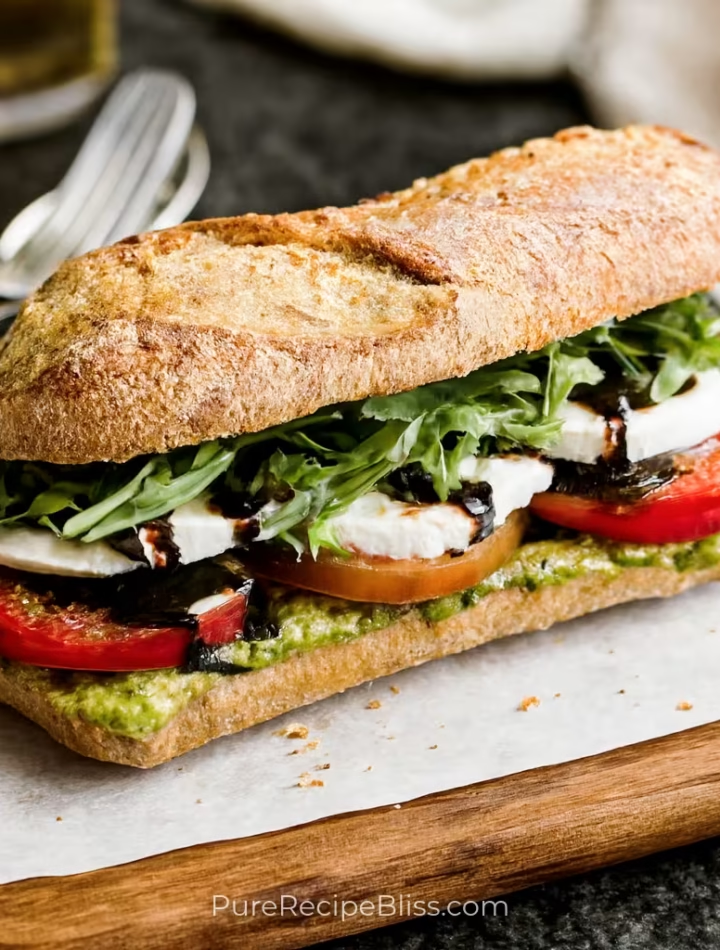
So, I tried Caprese Sandwich, and it’s basically a way to turn that classic tomato, basil, and mozzarella combination into something you can hold in your hands. It doesn’t take much time at all, and once you have the bread toasted and the pesto ready, it comes together really quickly without feeling like a big cooking project.
I think it works best when you want something light but filling, so I usually make it for lunch, but it can also be a nice snack or even a simple dinner when you don’t feel like spending hours in the kitchen. It’s one of those recipes that feels fresh and cozy at the same time, and that’s why I keep coming back to it. Now let’s talk a little more about what a Caprese Sandwich actually is.
What is Caprese Sandwich?
The Caprese Sandwich is basically a bread version of the famous Italian Caprese salad. Instead of serving the tomatoes, mozzarella, and basil on a plate, everything is tucked inside a baguette or similar bread, which makes it easy to pick up and eat. The pesto aioli adds creaminess, and the balsamic glaze gives that sweet and tangy flavor that balances the fresh ingredients.
It’s usually enjoyed as a light meal, most often for lunch, but it can also be served as a quick dinner or even packed for a picnic. In Italy, the Caprese combination is a classic, and this sandwich is just a more practical way of enjoying those same flavors without needing a fork and knife.
Why You’ll Love This Recipe:
Let me tell you why I think the Caprese Sandwich is worth making, because there are a few things that really stand out when I tried it at home.
- Quick to put together: The Caprese Sandwich doesn’t take long at all, and once the pesto aioli is blended and the bread is toasted, the rest is just layering, so you can have it ready in under 15 minutes.
- Fresh and filling: Even though it’s vegetarian, the mozzarella adds enough protein to make it feel satisfying, and the tomatoes and arugula keep it light at the same time.
- Easy to adjust: I noticed that you can swap the bread, change the greens, or even add extras like onions or bacon, and it still works well, so it’s flexible depending on what you have.
- Good for different meals: I usually make it for lunch, but I’ve also had it as a quick dinner when I didn’t want to cook much, and it even works as a picnic option if you wrap it tightly.
- Beginner-friendly: When I first tried it, I worried about the pesto being tricky, but honestly, it blended smoothly in the food processor, so even if you’re not used to making sauces, it’s simple enough.
That’s why I keep coming back to this recipe as it feels fresh, easy, and adaptable without needing a lot of effort.

Ingredients Needed:
When I was putting together the Caprese Sandwich, I noticed that a few ingredients really make the whole thing work, and without them the sandwich just doesn’t taste the same. Each one has its own role, and that’s why I think it’s good to know what they actually do before you start.
- Fresh basil – gives the sandwich that classic herbal flavor and keeps it tasting bright.
- Pine nuts – add a little nutty depth to the pesto so it doesn’t feel flat.
- Garlic – brings a sharp kick that balances the creaminess of the cheese.
- Parmesan cheese – adds saltiness and richness to the pesto mix.
- Olive oil – helps blend the pesto smoothly and makes it spreadable.
- Mayonnaise – turns the pesto into a creamy aioli that sticks better to the bread.
- French baguette – holds everything together and gives the crunch you need.
- Tomatoes – add juiciness and freshness, which is the heart of the sandwich.
- Fresh mozzarella – brings the soft, creamy texture that makes it filling.
- Balsamic glaze – adds a sweet and tangy layer that ties all the flavors together.
- Arugula – gives a peppery bite and keeps the sandwich from feeling too heavy.
One thing I learned is that toasting the bread first makes a big difference, because otherwise the tomatoes can make it soggy pretty quickly.
💡 Note: For the full ingredient list with exact amounts and measurements, please check the recipe card below.
Step-By-Step Instructions to Make Caprese Sandwich:
When I first made the Caprese Sandwich at home, I realized that the bread really needs to be toasted well, otherwise the tomatoes and pesto make it soggy too quickly. That was my small mistake the first time, and now I always make sure the bread has a little crunch before I start layering.
Step 1: Toast the Bread
Start with the baguette sliced lengthwise, and place it cut side up in the oven. Let it toast until the surface feels crisp and slightly golden. This step is important because it gives the bread strength to hold the juicy tomatoes and creamy pesto without falling apart. I found that if you skip this, the sandwich gets messy fast.
Step 2: Make the Pesto Aioli

In a food processor, blend basil, pine nuts, garlic, and parmesan until smooth. Scrape down the sides so nothing sticks. Slowly add olive oil until the mixture loosens up, then stir in mayonnaise to make it creamy. The texture should look glossy and spread easily. I once tried using store-bought pesto, but it tasted flat compared to this homemade version.
Step 3: Spread the Sauce
Take the toasted bread and spread the pesto aioli generously on both sides. Don’t be shy here, because the sauce is what ties everything together. I like to go edge to edge so every bite has flavor. If you use too little, the sandwich feels dry.
Step 4: Layer the Tomatoes
Slice the tomatoes and season them lightly with salt and pepper. Place them on the bottom half of the bread. The seasoning helps bring out their natural sweetness. I once skipped seasoning, and the sandwich tasted a bit bland, so now I always add it.
Step 5: Add Mozzarella and Balsamic Glaze
Lay the mozzarella slices over the tomatoes, then drizzle balsamic glaze on top. The cheese should feel soft and creamy, and the glaze should look shiny and slightly thick. This combination gives the sandwich that balance of savory and tangy.
Step 6: Finish with Arugula and Assemble
Add a handful of arugula for freshness and a peppery bite. Place the top half of the baguette over everything and press gently so the layers hold together. When you bite into it, you should get crunch from the bread, juiciness from the tomatoes, creaminess from the mozzarella, and a little sharpness from the arugula.
That’s how I usually make the Caprese Sandwich, and each time I notice that seasoning and toasting make the biggest difference. It’s simple, but those small details keep it from turning out soggy or bland.
💡 Note: These steps are just an overview. For detailed quantities, measurements, and exact timings to make this recipe, please check the recipe card below.
Helpful Tips For The Best Results:
- Toast the bread properly: If the baguette isn’t toasted enough, the tomatoes and pesto will make it soggy very quickly, so give it enough time to crisp up.
- Season each layer: A light sprinkle of salt and pepper on the tomatoes and even on the mozzarella makes the flavors stand out more.
- Balance the pesto: If the pesto feels too thick, add a little more olive oil, but if it feels too oily, stir in extra mayo to fix the texture.
- Control the glaze: Don’t pour too much balsamic glaze, because it can overpower the sandwich. A light drizzle is enough to add flavor without making it sticky.
- Swap wisely: If you don’t have pine nuts, walnuts work fine, and if mozzarella isn’t available, a mild cheese like provolone can be used without changing the overall taste too much.
Tasty Variations to Try:
- Avocado swap: Replace mozzarella with sliced avocado for a vegan version that still feels creamy.
- Spinach instead of arugula: If you prefer a milder green, baby spinach works well, though it won’t have the peppery bite.
- Seasonal tomatoes: Try heirloom tomatoes in summer for extra flavor, or cherry tomatoes when larger ones aren’t available.
- Extra crunch: Add thin slices of cucumber or red onion for a fresh crunch that balances the soft cheese.
- Protein boost: Layer in some grilled chicken or turkey slices if you want the sandwich to be more filling.
- Sweet twist: A few sun-dried tomatoes can add a chewy, sweet flavor, but keep them light so they don’t compete with the balsamic glaze.
That way, the Caprese Sandwich can be adjusted to fit different moods, diets, or even whatever ingredients you already have at home.
Serving Suggestions:

When I think about the Caprese Sandwich, I usually picture when and how I’d serve it, and also what I’d put next to it to make the meal feel complete.
1. Pairs with soup:
On cooler days, I like serving it with tomato soup or minestrone, because the warm soup balances the crisp bread and fresh ingredients.
2. Perfect for lunch:
The Caprese Sandwich works best as a midday meal because it feels light but still filling, and it doesn’t take long to prepare when you’re short on time.
3. Serve with salads:
It pairs well with cold salads like potato salad or a simple green salad, since those keep the meal fresh and balanced without being too heavy.
4. Good picnic option:
Wrap the sandwich in parchment or foil, and it becomes easy to carry outdoors, so it’s perfect for picnics or casual gatherings.
Storage & Reheating Tips:
When I made the Caprese Sandwich, I noticed that storing it can be a little tricky because of the tomatoes and pesto. If you don’t handle it right, the bread gets soggy fast, so here are a few things that helped me.
- How long it keeps: The Caprese Sandwich is best eaten within a few hours, but if wrapped tightly, it can stay okay in the fridge until the next day.
- Best storage method: I usually wrap it in parchment or foil, because plastic wrap traps moisture and makes the bread soft too quickly.
- Simple reheating advice: If you want to warm it up, place it back in the oven for a few minutes, just enough to crisp the bread again without melting everything too much.
That way, the sandwich still tastes fresh even if you don’t eat it right away.
Frequently Asked Questions (FAQ):
-
Can I substitute ingredients?
Yes, you can swap pine nuts with walnuts in the pesto, or use spinach instead of arugula if you want a milder flavor.
-
Can I make it ahead?
You can prepare the pesto aioli and slice the tomatoes earlier, but it’s better to assemble the sandwich right before eating so the bread doesn’t get soggy.
-
Why does the bread get soft?
If the baguette isn’t toasted enough, the tomato juices soak in quickly, so always crisp the bread first.
-
Is there a vegan option?
Yes, you can replace mozzarella with avocado slices and use vegan mayo and cheese in the pesto.

Caprese Sandwich
Description
The Caprese Sandwich is a fresh and filling twist on the classic Italian Caprese salad. Juicy tomatoes, creamy mozzarella, homemade pesto aioli, and a drizzle of balsamic glaze are layered inside a toasted baguette. It’s quick to prepare, easy to enjoy, and perfect for lunch, picnics, or a light dinner.
Ingredients
Instructions
- Preheat oven to 350°F (180°C). Slice 1 medium French baguette (12 oz / 340 g) lengthwise, place cut side up on a baking sheet, and toast for about 6 minutes until lightly golden and crisp.
- In a food processor, combine 1 cup fresh basil leaves, 2 tbsp pine nuts, 1 small garlic clove, ¼ cup grated parmesan cheese (21 g), ¼ tsp salt, and ⅛ tsp ground black pepper. Blend until smooth, scraping down sides as needed.
- Slowly drizzle in ¼ cup extra-virgin olive oil (60 ml) while blending until the mixture loosens. Stir in ½ cup mayonnaise (125 g) to create a creamy pesto aioli.
- Spread the pesto aioli evenly on both toasted baguette halves.
- Season 2 medium sliced tomatoes with a pinch of salt and pepper, then arrange them on the bottom half of the bread.
- Layer 8 oz fresh mozzarella cheese (225 g) slices over the tomatoes, then drizzle 2 tbsp balsamic glaze (30 ml) lightly across the cheese.
- Add 1 cup arugula, packed on top for freshness, then place the upper half of the baguette over the filling. Press gently, slice, and serve immediately.
Notes
- Toasting the bread is important to prevent sogginess from tomatoes and pesto.
- If pine nuts are unavailable, walnuts or cashews can be used in the pesto.
- For a vegan version, swap mozzarella with avocado slices and use vegan mayo and cheese.
Nutrition Facts
Servings 2
Serving Size 1 sandwich
- Amount Per Serving
- Calories 1572kcal
- % Daily Value *
- Total Fat 109g168%
- Saturated Fat 29g145%
- Trans Fat 0.1g
- Cholesterol 122mg41%
- Sodium 2619mg110%
- Potassium 751mg22%
- Total Carbohydrate 99g33%
- Dietary Fiber 6g24%
- Sugars 16g
- Protein 49g98%
- Vitamin A 2799 IU
- Vitamin C 21 mg
- Calcium 959 mg
- Iron 8 mg
* Percent Daily Values are based on a 2,000‑calorie diet, and your daily needs may be higher or lower depending on your lifestyle. Nutrition information is shared only as a general estimate and may not always be fully accurate. If you follow a special diet or have specific health concerns, it’s best to check with a registered dietitian for personalized guidance.