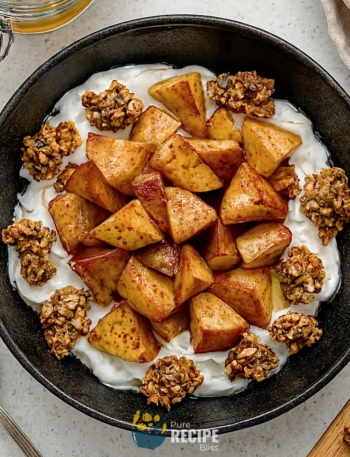

Whenever I want something quick but still a little special, I usually make French toast. It doesn’t take much effort, and I can have it ready in about twenty minutes without stressing. I often save it for weekends or mornings when I want a cozy breakfast that feels different from the usual routine.
What is French Toast?
French toast is basically bread that gets dipped into a mixture of eggs and milk, then cooked until it turns golden on the outside while staying soft inside. It’s one of those dishes that feels a little special even though the process is very straightforward.
Most people enjoy it as a breakfast meal, usually with syrup, butter, or fruit on top, but it can also show up as a quick snack or even a lighter dinner when you don’t want something heavy. It’s been around for a long time in different cultures, often as a way to use bread that’s a day or two old, and that’s part of why it’s so versatile.
Why You’ll Love This Recipe:
- Quick to make: French toast doesn’t take long at all, usually around twenty minutes from start to finish, so it fits easily into a morning routine without feeling rushed.
- Flexible with bread: You can use different types of bread depending on what you have, like brioche for richness or sourdough for a bit of tang, and each one gives a slightly different result.
- Easy to adjust: The egg and milk mixture can be changed a little, like using non-dairy milk or adding more cinnamon, so it works for different preferences.
- Great texture: The outside turns golden and crisp while the inside stays soft, which makes every bite feel balanced and satisfying.
- Tested at home: I’ve noticed that soaking time really matters. Like brioche needs less time, while thicker bread can handle more and that small adjustment makes a big difference in how it turns out.
Ingredients Needed:
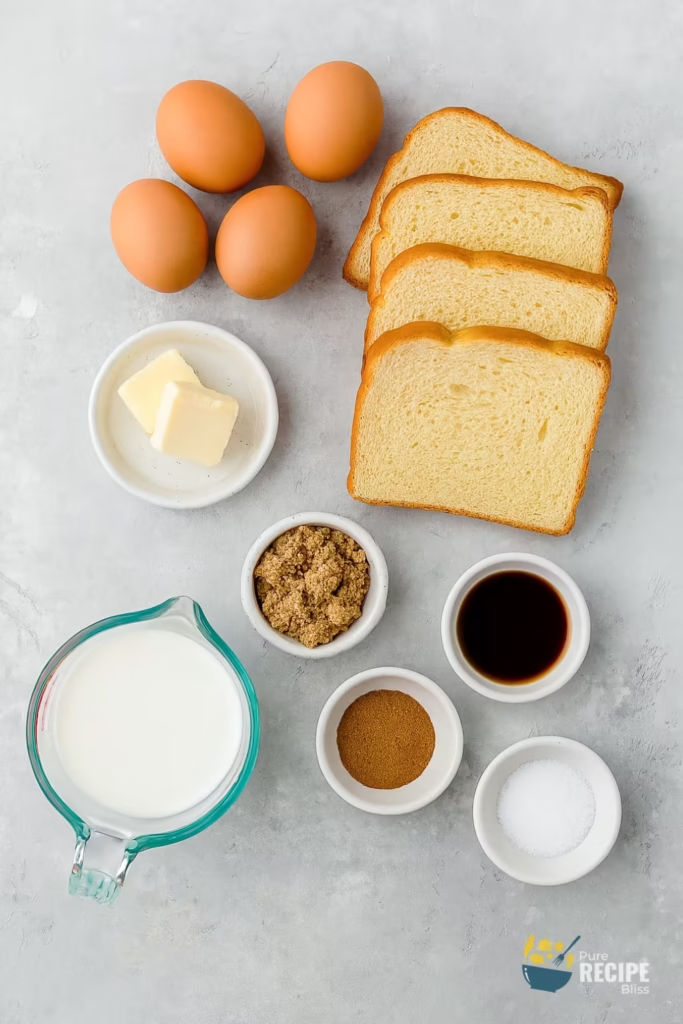
- Bread choice: You can use different breads like brioche, sourdough, or cinnamon swirl, and each one changes the flavor and texture a little, so it’s nice to pick based on what you feel like eating.
- Eggs: These hold everything together, and I’ve noticed that whisking them really well makes the mixture smoother and easier to soak into the bread.
- Sugar: A spoon of brown sugar adds a bit of sweetness, and I sometimes switch to dark brown sugar when I want a stronger flavor.
- Salt: Just a small pinch of sea salt balances the sweetness, and skipping it makes the taste feel flat.
- Vanilla: A little vanilla extract gives a warm flavor, and I find it makes the French toast taste more complete.
- Cinnamon: Ground cinnamon adds a gentle spice, and I usually adjust the amount depending on who’s eating like less for kids, more for me.
- Milk: Whole milk works best for richness, but I’ve also tried almond milk and it still turns out fine, just a bit lighter.
- Butter: Cooking the slices in butter makes the outside crisp and flavorful, and I’ve learned that oil doesn’t give the same result.
💡 Note: For the full ingredient list with exact amounts and measurements, please check the recipe card below.
Step-By-Step Instructions to Make French Toast:
I learned one thing while making French toast at home is that the soaking time really changes the outcome. If the bread sits too long in the mixture, it gets soggy and falls apart, but if it’s too quick, the inside tastes plain. Finding that balance made a big difference for me.
Step 1: Whisk the mixture
Start by whisking the eggs in a bowl until they look smooth. Then add sugar, salt, vanilla, and cinnamon, and keep whisking until everything blends together. Finally, pour in the milk and mix again so the liquid feels even.
Step 2: Dip the bread
Place the bread slices into the mixture and let them soak for a short time on each side. The bread should feel slightly heavy but not dripping. I usually shorten the soak for softer breads like brioche and give a little more time for thicker slices like sourdough.
Step 3: Heat the pan and add butter
Warm up a griddle or pan on medium heat, then melt butter across the surface. The butter should cover the pan evenly and start to bubble lightly. I’ve noticed that spreading the butter well helps the bread cook evenly and prevents dry spots.
Step 4: Cook the bread
Lay the soaked bread slices on the pan and let them cook until the bottom looks golden and crisp. Flip them carefully and cook the other side until it matches. The bread should feel firm on the edges but soft in the center.
Step 5: Keep warm and serve
If you’re making several pieces, place the finished ones on a tray in a warm oven so they stay hot until serving. When everything is ready, serve with syrup, fruit, or whipped cream. I sometimes add a sprinkle of cinnamon sugar on top for extra flavor.
💡 Note: These steps are just an overview. For detailed quantities, measurements, and exact timings to make this recipe, please check the recipe card below.
Helpful Tips For The Best Results:
- Texture check: Make sure the bread feels soaked but not dripping. I once let brioche sit too long and it collapsed, so now I dip quickly for softer breads and give thicker slices a little more time.
- Heat control: Keep the pan at medium heat. Too low and the bread dries out before browning, too high and it burns fast. I usually test with a small piece first to see how the butter reacts.
- Butter matters: Always spread the butter evenly across the pan. I noticed that if it pools in one spot, the bread cooks unevenly and leaves dry patches.
- Ingredient swaps: Whole milk gives the richest flavor, but I’ve tried almond milk and oat milk too. They work fine, just expect a lighter texture.
- Whisking well: Mix the eggs and milk until smooth. If the mixture looks streaky, the bread won’t soak evenly, and you’ll end up with plain spots.
Tasty Variations to Try:
- Spice swap: Instead of cinnamon, try nutmeg or cardamom for a different flavor. I sometimes add a pinch of both for a warmer taste.
- Citrus twist: Grate a little orange or lemon zest into the mixture. It gives a fresh note that works especially well in spring.
- Chocolate style: Sprinkle cocoa powder into the custard or drizzle melted chocolate on top. I’ve done this for dessert and it feels indulgent.
- Seasonal fruit: In summer, I like topping with fresh berries, while in winter, baked apples or pears make it feel cozy.
- Dairy-free option: Use plant-based milk and vegan butter. I’ve tested this with oat milk and it still comes out golden, just slightly less rich.
- Savory version: Skip the sugar and cinnamon, then add herbs or grated cheese. It’s unusual but makes a nice change when you don’t want something sweet.
Serving Suggestions:
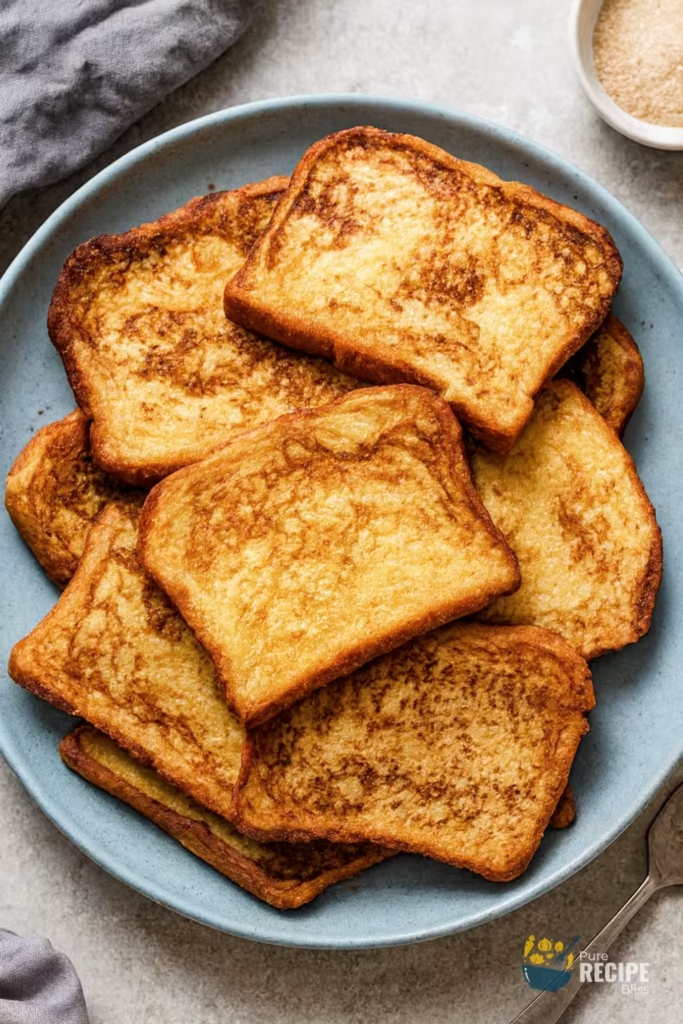
1. Breakfast plate:
Serve French toast warm with maple syrup and fresh fruit. It pairs well with scrambled eggs or bacon when you want a fuller meal.
2. Weekend brunch:
Perfect for a relaxed brunch with friends, especially when you add whipped cream or a drizzle of chocolate. It balances nicely with coffee or tea.
3. Light dinner:
Sometimes I make French toast in the evening when I don’t feel like cooking a heavy meal. It goes well with a simple salad on the side.
4. Snack option:
Serve smaller slices with yogurt or nut butter for a quick bite. It’s filling enough without being too heavy.
Storage & Reheating Tips:
- Storage: French toast keeps well in the fridge for about four days if you place it in an airtight container. I’ve noticed wrapping slices loosely in foil makes them dry faster, so a sealed box works better.
- Freezing: You can freeze slices by laying them flat first, then moving them to a bag. This way they don’t stick together.
- Reheating: Warm them in a skillet for crisp edges, or use the microwave if you just want them soft and quick. I sometimes pop frozen slices straight into the oven and they come out nicely browned.
Frequently Asked Questions (FAQ):
-
Can I use a different type of milk?
Yes, you can swap whole milk for almond, oat, or soy milk. I’ve tried oat milk and it worked fine, just a little lighter in texture.
-
Can French toast be made ahead of time?
You can cook it earlier and keep slices in the fridge, then reheat when needed. I usually warm them in a skillet to bring back the crisp edges.
-
Why does my French toast turn soggy?
It usually happens when the bread soaks too long or if the pan isn’t hot enough. I learned to dip quickly and always preheat the pan first.
-
Is there a way to make it less sweet?
Yes, just reduce the sugar or skip the syrup topping. Sometimes I serve it with fresh fruit instead, which balances the flavor nicely.
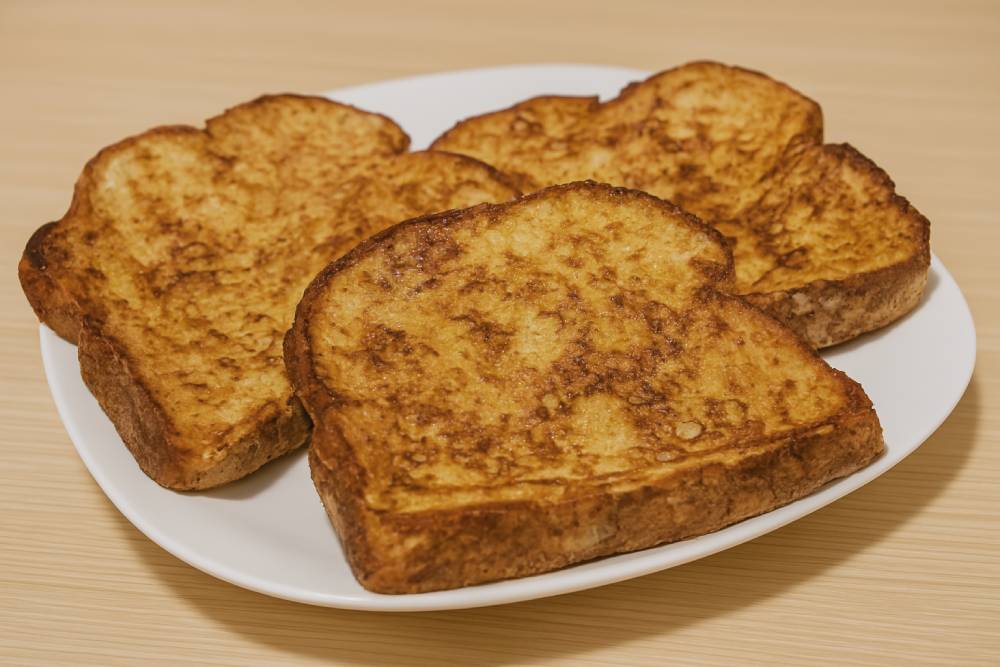
French Toast
Description
French toast is bread dipped in a smooth egg and milk mixture, then cooked until golden on the outside and soft inside. It’s quick to prepare, easy to adjust with different breads or flavors, and works well for breakfast or even a light snack.
Ingredients
Instructions
- Whisk 4 large eggs in a medium mixing bowl until smooth.
- Add 1 tablespoon light brown sugar, ¼ teaspoon sea salt, 1 teaspoon pure vanilla extract, and ½ teaspoon ground cinnamon. Whisk until everything blends evenly.
- Pour in 1 ½ cups whole milk and whisk again until the custard mixture looks smooth and consistent.
- Dip each slice from 1 loaf of bread (brioche, sourdough, cinnamon swirl, or French bread) into the mixture for about 10-15 seconds per side, adjusting based on thickness.
- Heat a griddle or skillet on medium heat, then melt about ½ tablespoon butter across the surface to coat evenly.
- Place the soaked bread slices on the pan and cook until the bottom turns golden brown and crisp, usually around 3-5 minutes.
- Flip each slice carefully and cook the other side until golden brown as well.
- Serve immediately with maple syrup, fruit, or whipped cream.
Notes
- Brioche bread soaks faster, so dip lightly to avoid sogginess.
- Always preheat the pan before adding bread to get crisp edges.
- For dairy-free, swap milk with almond or oat milk and use vegan butter.
Nutrition Facts
Serving Size 1 slice
- Amount Per Serving
- Calories 234kcal
- % Daily Value *
- Total Fat 6.8g11%
- Saturated Fat 2.8g14%
- Cholesterol 80.5mg27%
- Sodium 341mg15%
- Potassium 98.7mg3%
- Total Carbohydrate 35.4g12%
- Dietary Fiber 1g4%
- Sugars 14.9g
- Protein 8g16%
- Vitamin A 225 IU
- Calcium 52 mg
- Iron 0.3 mg
* Percent Daily Values are based on a 2,000‑calorie diet, and your daily needs may be higher or lower depending on your lifestyle. Nutrition information is shared only as a general estimate and may not always be fully accurate. If you follow a special diet or have specific health concerns, it’s best to check with a registered dietitian for personalized guidance.