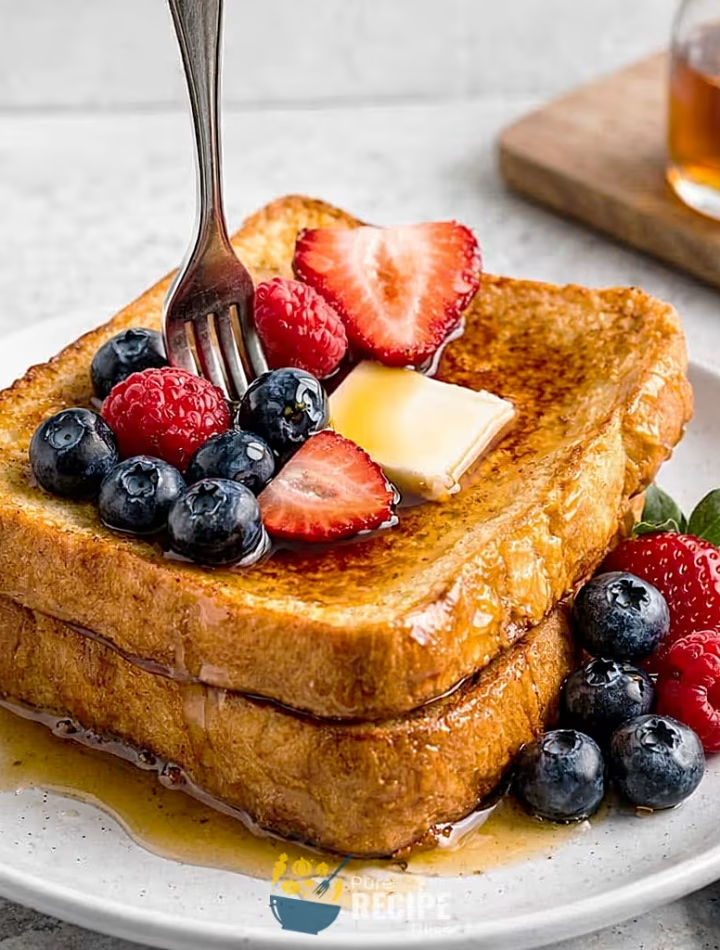
When I think about making something quick but still a little special, French toast always comes to mind. It doesn’t take long at all, and you only need a handful of ingredients that most people already have at home.
I usually make it in the morning when I want a warm breakfast that feels more filling than cereal or toast. It’s also nice for weekends when you want to sit down with family or even for a late-night snack if you’re craving something cozy. That’s why I keep coming back to this recipe.
What is French Toast?
French toast is basically bread that gets dipped into a mixture of eggs and milk, then cooked until the outside turns golden and slightly crisp. The inside stays soft, almost like a custard, which makes it different from just toasting bread.
It’s usually served warm and topped with things like syrup, butter, or fruit, depending on what you enjoy. In many homes, it’s considered a breakfast dish, but people also make it for brunch or even as a sweet snack later in the day. The idea is simple, but the result feels a little more special than everyday toast.
Why You’ll Love This Recipe:
- Quick to make: You don’t need a lot of time because the whole process usually takes around twenty minutes from start to finish, which makes it easy to fit in before work or on a weekend morning.
- Simple ingredients: Everything you need is basic, like bread, eggs, milk, sugar, and cinnamon, so you don’t have to go shopping for anything unusual.
- Easy to adjust: You can change the bread depending on what you have at home, and you can also make it richer by using half-and-half or lighter by using regular milk.
- Beginner-friendly: Even if you don’t cook much, the steps are straightforward, and the only thing to watch out for is not soaking the bread too long, which I learned after ending up with soggy slices once.
- Works for different occasions: I usually make it for breakfast, but it also works for brunch with friends or even as a late-night snack when you want something warm and filling.
- Family-approved: My kids like it with syrup and berries, while I prefer mine with a little butter and powdered sugar, so it’s easy to serve in different ways without extra effort.
Ingredients Needed:
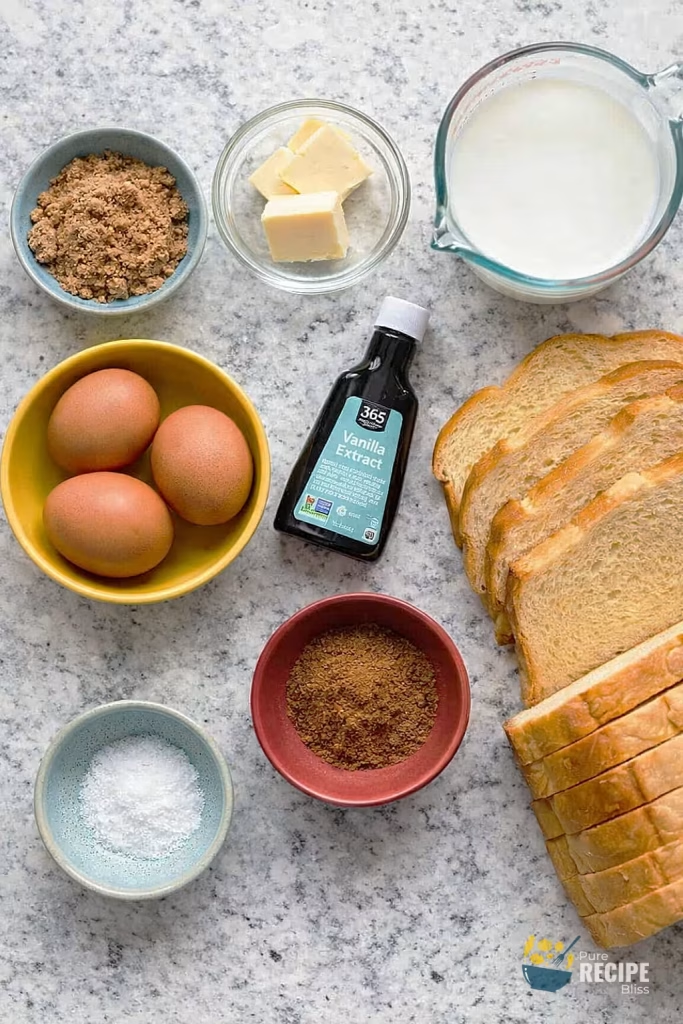
- Bread choice: You can use brioche, sourdough, or even cinnamon swirl bread, and the reason this matters is because each type gives a slightly different texture, so I usually pick brioche when I want something soft and rich.
- Eggs: Four eggs are enough to make the custard mixture, and I’ve noticed that whisking them well first helps avoid streaks of egg white showing up on the toast.
- Milk: Whole milk works best because it makes the mixture creamy, but if you only have 2% or even non-dairy milk, it still works fine, though the flavor will be lighter.
- Brown sugar: A spoonful of brown sugar adds a little sweetness, and I sometimes swap it with coconut sugar when I want a slightly different taste.
- Cinnamon: Just half a teaspoon gives a nice warm flavor, and I always add it because without it the toast feels a bit plain.
- Vanilla extract: One teaspoon makes the custard smell and taste better, and I think it’s worth using real vanilla instead of imitation for stronger flavor.
- Salt: A small pinch balances the sweetness, and I learned not to skip it because the toast tastes flat without it.
- Butter for cooking: Using salted butter on the pan makes the edges crisp and adds flavor, and I always melt a little fresh butter before each batch so the slices don’t stick.
💡 Note: For the full ingredient list with exact amounts and measurements, please check the recipe card below.
Kitchen Gadgets & Tools You’ll Need:
- Mixing bowl: You’ll need a medium-sized bowl to whisk the eggs and milk together, and I’ve noticed that using a bowl with higher sides helps keep the mixture from splashing out.
- Whisk: A whisk makes it easier to blend the eggs smoothly, and I always use one instead of a fork because it mixes faster and avoids streaks of egg white.
- Shallow dish: A rectangular or square dish works best for dipping the bread, since you can lay two slices flat at once, which saves time when you’re making several pieces.
- Griddle or frying pan: A griddle lets you cook more slices at once, but if you don’t have one, a large non-stick frying pan works fine. I usually use my pan when I’m only making a few slices. Otherwise, I use my electric griddle.
- Spatula: A spatula helps flip the bread without breaking it, and I prefer one with a thin edge because it slides under the toast more easily.
- Measuring cups and spoons: These are useful for keeping the sugar, milk, and cinnamon amounts consistent, and I’ve found that measuring properly makes the flavor more balanced. Here’s the measuring cups and spoons I use.
- Butter knife or small spoon: You’ll need something to spread or drop butter onto the pan, and I usually use a butter knife because it’s simple and keeps the portions even.
Step-By-Step Instructions to Make French Toast:
Whisking the eggs really well before adding anything else makes a big difference. If you don’t, you sometimes end up with streaks of egg white on the bread, which doesn’t look or taste very nice.
Step 1: Whisk the eggs
Start by cracking the eggs into a medium bowl and whisking them until the mixture looks smooth and even. This helps the custard base come together better later.
Step 2: Add flavorings
Next, mix in the sugar, cinnamon, vanilla, and a small pinch of salt. Stir until everything blends in, because if you don’t mix well, the cinnamon can clump and the flavor won’t spread evenly.
Step 3: Pour in the milk
Slowly add the milk while whisking, so the mixture stays smooth and doesn’t separate. The custard should look slightly creamy and not too thin.
Step 4: Dip the bread
Place the bread slices into a shallow dish with the custard. Let each side soak for a short time, just enough to absorb the mixture without getting soggy. Thicker bread can handle more soaking, while softer bread needs less.
Step 5: Heat the pan with butter
Warm up your griddle or frying pan on medium heat and melt a little butter before adding the bread. The butter should cover the surface lightly so the toast cooks evenly and doesn’t stick.
Step 6: Cook until golden
Place the soaked bread on the pan and let it cook until the bottom turns golden brown. Flip once and cook the other side until it looks the same. The outside should feel slightly crisp, while the inside stays soft.
Step 7: Serve warm
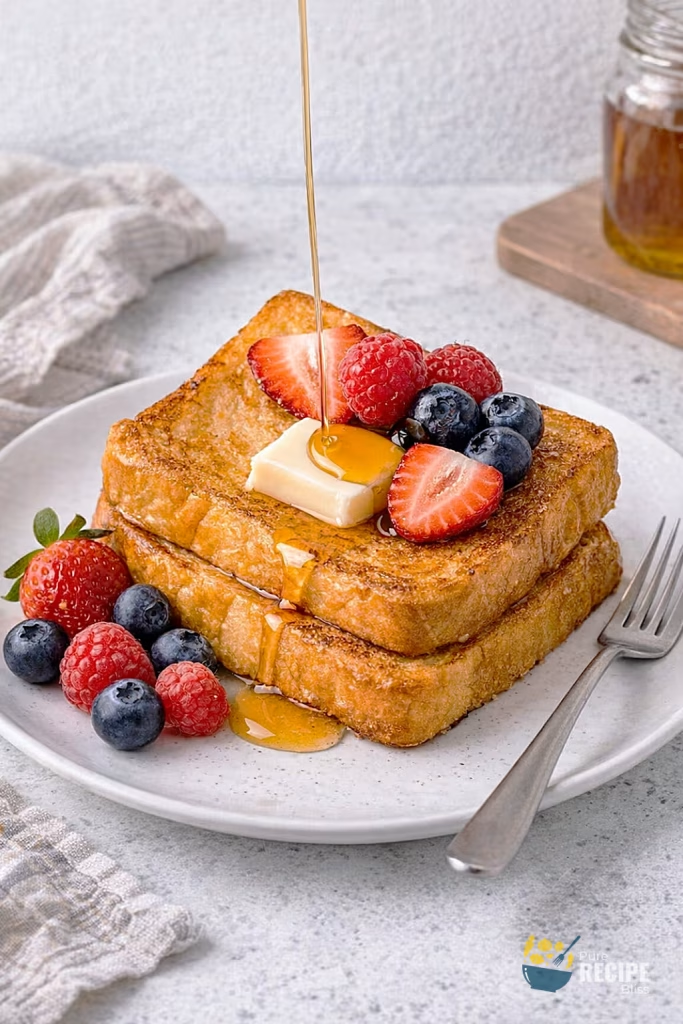
Once cooked, serve the slices right away with toppings like syrup, fruit, or whipped cream. If you’re making a big batch, you can keep them warm in the oven until everything is ready.
💡 Note: These steps are just an overview. For detailed quantities, measurements, and exact timings to make this recipe, please check the recipe card below.
Helpful Tips For The Best Results:
- Bread texture matters: If the bread is too soft, it can fall apart when soaked, so I usually go for brioche or sourdough because they hold up better.
- Control the heat: Cooking on medium heat works best, since too high makes the outside burn while the inside stays raw, and too low makes the bread dry instead of golden.
- Whisk thoroughly: Mixing the eggs and milk really well avoids streaks of egg white, which I learned the hard way when I rushed through it once.
- Butter over oil: Butter gives a crisp edge and better flavor, so I always melt a fresh pat before each batch instead of reusing old butter.
- Ingredient swaps: If you don’t have brown sugar, coconut sugar works fine, and if you’re out of whole milk, half-and-half makes the custard richer.
Tasty Variations to Try:
- Chocolate twist: Add a spoonful of cocoa powder to the custard for a light chocolate flavor.
- Fruit mix-in: Stir mashed banana or apple puree into the egg mixture for natural sweetness.
- Savory option: Skip the sugar and cinnamon, then add a little cheese or herbs for a different take.
- Seasonal spice: In autumn, I like adding pumpkin spice instead of cinnamon for a cozy flavor.
- Dairy-free choice: Use almond or oat milk with coconut oil instead of butter, which still gives a nice crisp edge.
- Nutty flavor: Sprinkle chopped nuts on the bread before cooking so they toast lightly on the surface.
Serving Suggestions:
- Breakfast plate: Serve with maple syrup and fresh fruit, which makes it feel complete and adds a little freshness to balance the richness.
- Brunch idea: Perfect for weekends with friends, pair French toast with bacon or sausage so there’s a mix of sweet and savory on the table.
- Snack option: Pairs well with a simple cup of coffee or tea, especially when you want something warm and filling in the afternoon.
- Family style: Serve with whipped cream and berries, and place everything in the center so everyone can add their own toppings.
Storage & Reheating Tips:
- How long it keeps: French toast can be stored in the refrigerator for a few days, usually around three to four, and I’ve noticed it tastes best if eaten within that time.
- Best storage method: Place the slices in an airtight container or wrap them tightly, because if you leave them uncovered, they dry out quickly and lose their soft texture.
- Simple reheating advice: Warm the slices in a toaster oven or on a pan so the edges stay crisp, but if you’re in a hurry, the microwave works too, though the bread will be softer.
Frequently Asked Questions (FAQ):
-
Can I use different bread?
Yes, you can swap brioche for sourdough or even cinnamon swirl bread, and each one changes the texture a little, so I usually pick brioche when I want it softer.
-
Can I make French toast ahead of time?
You can cook it earlier and keep it in the fridge, then reheat later, but I’ve noticed it tastes best when served fresh.
-
Why does my French toast turn soggy?
This usually happens if the bread is soaked too long or if the pan isn’t hot enough, so I keep the soak short and the heat steady.
-
Can I make it dairy-free?
Yes, almond milk or oat milk works fine, and you can use coconut oil instead of butter, though the flavor will be a little different.
-
Is it okay to freeze French toast?
Yes, you can freeze slices on a tray and then store them in a bag, and reheating in a toaster oven keeps the edges crisp.
French Toast
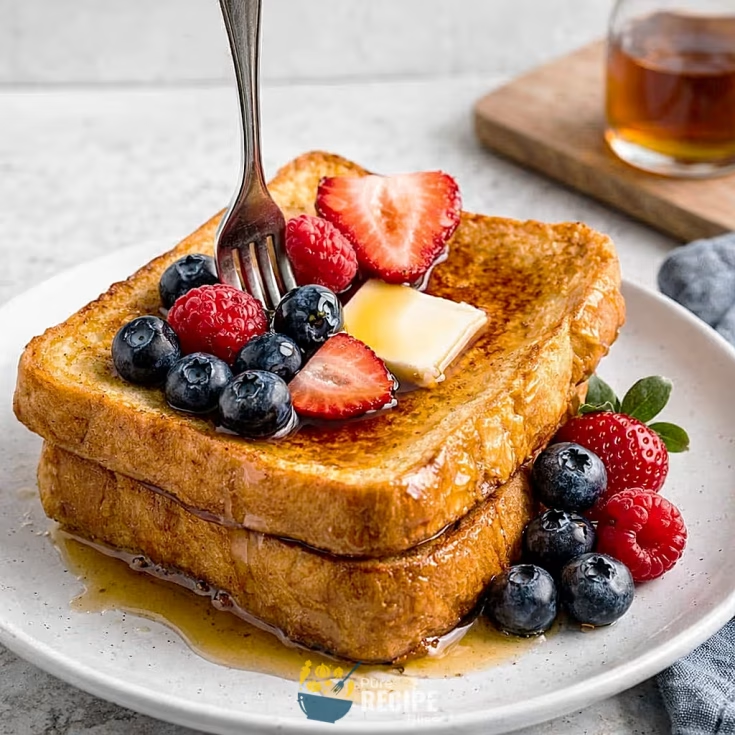
This French toast recipe is quick to prepare, uses simple ingredients, and gives you slices that are golden on the outside and soft inside. It’s a reliable dish for breakfast or brunch, and it works well for family meals or casual weekends.
Ingredients
- 1 ½ cups whole milk
- 4 large eggs
- 1 teaspoon vanilla extract
- ½ teaspoon ground cinnamon
- 1 tablespoon light brown sugar
- ¼ teaspoon salt
- 1 loaf bread (brioche, sourdough, or cinnamon swirl)
- Butter for cooking
Instructions
- Crack 4 large eggs into a medium bowl and whisk until smooth.
- Add 1 tablespoon brown sugar, ½ teaspoon cinnamon, 1 teaspoon vanilla extract, and ¼ teaspoon salt, whisking until blended.
- Slowly pour in 1 ½ cups whole milk while whisking to form a custard mixture.
- Pour mixture into a shallow dish and place bread slices inside, soaking each side for about 10–15 seconds.
- Heat a griddle or large non-stick pan over medium heat and melt a small pat of butter.
- Place soaked bread slices on the hot surface and cook for 3-4 minutes until golden brown.
- Flip and cook the other side for another 3-4 minutes until golden and crisp.
- Serve warm with syrup, fruit, or whipped cream.
Notes
Nutrition Information
Yield 10 servings Serving Size 1 sliceAmount Per Serving Calories 234Total Fat 6.8gSaturated Fat 2.8gTrans Fat 0gUnsaturated Fat 1.5gCholesterol 80mgSodium 341mgCarbohydrates 35gNet Carbohydrates 34gFiber 1gSugar 15gSugar Alcohols 0gProtein 8g
Percent Daily Values are based on a 2,000‑calorie diet, and your daily needs may be higher or lower depending on your lifestyle. Nutrition information is shared only as a general estimate and may not always be fully accurate. If you follow a special diet or have specific health concerns, it’s best to check with a registered dietitian for personalized guidance.