

I wanted to share something I’ve been making lately that feels quick but also a little special. Healthy deviled eggs are one of those recipes that don’t take much time once the eggs are boiled, and they’re easy to keep on hand.
I usually make them when I want something small to snack on, or when I’m putting together a plate for lunch or even a light bite before dinner. They’re simple, but they always get eaten fast, which is why I thought it’s worth talking about here before we get into the details.
What is Deviled Eggs?
Healthy deviled eggs are basically the classic deviled eggs you already know, but with a lighter twist. Instead of using mayonnaise, the filling is mixed with Greek yogurt, which makes them creamy but also adds more protein. The flavor is still tangy and rich, so you don’t feel like you’re missing out on anything.
They’re usually served cold and are most often seen on party trays, holiday tables, or as a quick snack from the fridge. You can eat them on their own, or place them alongside salads and other small bites. They’re one of those dishes that people reach for without thinking, because they’re easy to grab and they feel satisfying in just a couple of bites.
Why You’ll Love This Recipe:
- Quick to make: Once the eggs are boiled, putting together healthy deviled eggs takes only a few minutes, so you don’t feel stuck in the kitchen for long.
- Lighter filling: Using Greek yogurt instead of mayonnaise makes the filling creamy but not heavy, and it adds extra protein, which I personally like because it feels more balanced.
- Easy to adjust: You can change the flavor by adding a little more mustard, vinegar, or even a pinch of spice, and I’ve noticed that small tweaks make a big difference in taste.
- Works for different times: I’ve had them as a snack in the afternoon, but they also fit well on a lunch plate or even as a starter before dinner, so they don’t feel limited to one occasion.
- Crowd-friendly: Whenever I’ve made them for friends or family, they disappear quickly, which tells me they’re the kind of food people enjoy without needing much explanation.
Ingredients Needed:
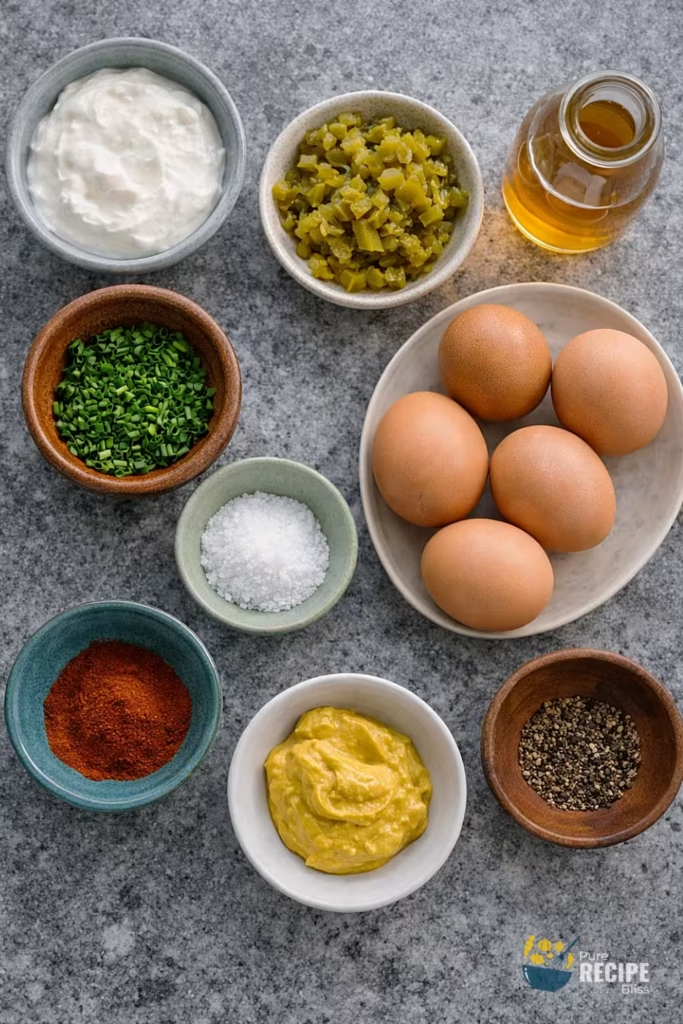
- Eggs: You’ll need large eggs for this recipe, and I’ve found that eggs that are a few days old peel more easily than very fresh ones.
- Greek yogurt: This replaces the usual mayonnaise, and it makes the filling creamy but lighter. I usually go with full‑fat yogurt because it tastes richer, but you can use whatever type you normally buy.
- Pickle relish: A spoonful adds tang and crunch. If I don’t have relish, I just chop up a dill pickle, and it works fine.
- Dijon mustard: This gives the filling a sharp flavor that balances the yogurt. I sometimes add a little extra if I want more bite.
- Apple cider vinegar: A splash of this brightens the taste. If I’m out of it, I’ve used lemon juice, and that worked too.
- Salt and pepper: These are for seasoning, and I usually taste the filling before adding more, since the relish already has salt.
- Paprika: A sprinkle on top makes them look finished. I’ve tried smoked paprika, and it gave a nice deeper flavor.
💡 Note: For the full ingredient list with exact amounts and measurements, please check the recipe card below.
Step-By-Step Instructions to Make Deviled Eggs:
The eggs peel much more easily if they’ve cooled completely in ice water. The first time I skipped that step, the shells stuck and tore the whites, so now I always take the extra minute to chill them properly.
Step 1: Boil the eggs
Place the eggs in a pot and cover them with water. Bring the water up to a boil, then let the eggs cook until the whites are firm and the yolks are set. The shells should look slightly cracked when tapped, which makes peeling easier later.
Step 2: Cool and peel
Once the eggs are cooked, transfer them into a bowl of ice water. Leave them there until they feel completely cool to the touch. When peeling, start from the wider end where there’s usually a small air pocket, and the shell should slide off more smoothly.
Step 3: Prepare the filling
Slice each egg in half lengthwise and gently remove the yolks. Place the yolks in a bowl and mash them with Greek yogurt, relish, mustard, vinegar, salt, and pepper. The mixture should look creamy and slightly fluffy, not runny. Taste it and adjust seasoning if needed.
Step 4: Fill the egg whites
Spoon or pipe the yolk mixture back into the hollow of each egg white. If you use a spoon, press lightly so the filling sits neatly. If you use a piping bag, the filling should look smooth and slightly swirled.
Step 5: Garnish and serve
Sprinkle paprika over the top and add fresh chives if you like. The eggs should look colorful and inviting, with the red paprika standing out against the pale filling. Serve them chilled for the best texture.
💡 Note: These steps are just an overview. For detailed quantities, measurements, and exact timings to make this recipe, please check the recipe card below.
Helpful Tips For The Best Results:
- Peeling eggs: Always cool the eggs fully in ice water before peeling. I learned the hard way that skipping this step makes the shells stick and tear the whites.
- Texture check: When mixing the yolk filling, keep mashing until it looks smooth and creamy. If it feels too thick, add a tiny splash of yogurt, but don’t overdo it or it will turn runny.
- Heat control: Don’t let the eggs boil too hard for too long, because that can give the yolks a green ring. A gentle boil followed by resting works better.
- Ingredient swaps: If you don’t have relish, chopped dill pickle works fine. If you’re out of apple cider vinegar, lemon juice gives a similar brightness.
- Taste as you go: I always taste the filling before spooning it back in, because sometimes it needs just a pinch more salt or mustard to balance.
Tasty Variations to Try:
- Spicy kick: Add a pinch of cayenne or a slice of jalapeño on top for extra heat.
- Smoky flavor: Use smoked paprika instead of regular, which gives a deeper taste.
- Herb twist: Fresh dill or parsley mixed into the filling adds freshness.
- Protein boost: Crumble bacon or add a small piece of smoked salmon on top for more richness.
- Seasonal idea: In summer, I like adding finely chopped chives or green onions, while in winter I sometimes mix in a little curry powder for warmth.
- Dairy‑free option: Swap the Greek yogurt with a dairy‑free yogurt, and the texture still comes out creamy enough to enjoy.
Serving Suggestions:

1. Party trays:
Healthy deviled eggs are perfect for gatherings because they can be made ahead and served chilled. I usually place them on a platter with fresh herbs or veggies around the edges to make them look more inviting.
2. Pairs with salads:
Serve with a crisp green salad or even a grain‑based salad like farro or quinoa. The eggs add protein, and the salad keeps the plate light and balanced.
3. Brunch spreads:
They fit well on a brunch table alongside fruit, toast, or breakfast casseroles. I’ve noticed people like grabbing one or two as a quick bite between other dishes.
4. Snack option:
Keep a small batch in the fridge and pair with cut veggies or crackers. It feels like a simple snack that’s filling without being heavy.
Storage & Reheating Tips:
- How long it keeps: Healthy deviled eggs usually stay fresh for a couple of days in the fridge. I’ve noticed they taste best within the first two days, because the filling stays creamy and the whites don’t get rubbery.
- Best storage method: I always keep them in a covered container so the smell doesn’t spread in the fridge. If I’m prepping ahead, I store the whites and the filling separately, then assemble right before serving.
- Simple reheating advice: These are meant to be eaten cold, so I don’t reheat them. If they’ve been in the fridge for a while, I just let them sit out for a few minutes before serving so they don’t taste too chilled.
Frequently Asked Questions (FAQ):
-
Can I use mayonnaise instead of Greek yogurt?
Yes, you can swap it back to mayo if you prefer the traditional taste. I’ve tried both, and the yogurt version feels lighter, but mayo works fine if that’s what you have.
-
Can I make healthy deviled eggs ahead of time?
Yes, but I usually keep the whites and the filling separate in the fridge. This way, the whites don’t get soggy, and you can fill them right before serving.
-
What if the filling feels too runny?
If the mixture looks thin, add a little more yolk or reduce the yogurt slightly. I once added too much vinegar, and it loosened the texture, so now I go easy with liquids.
-
Are there dairy‑free options?
Yes, you can use a dairy‑free yogurt instead of Greek yogurt. I’ve tried coconut‑based yogurt, and while the flavor was different, the texture still worked.
-
How do I keep the eggs looking neat?
I’ve found that piping the filling makes them look cleaner, but if you don’t want to bother, using a small spoon and pressing gently works too.

Deviled Eggs
Description
Healthy deviled eggs are a lighter spin on the classic appetizer. The filling is made with Greek yogurt instead of mayonnaise, giving them a creamy texture with extra protein. They’re quick to prepare, easy to customize, and always disappear fast at gatherings or as a fridge‑ready snack.
Ingredients
Instructions
- Place 7 large eggs in a saucepan, cover with water, and bring to a gentle boil. Cook until yolks are set, then transfer eggs into an ice water bath for at least 5 minutes.
- Peel the cooled eggs carefully, starting from the wider end, then slice each egg lengthwise. Remove yolks and place them in a mixing bowl.
- Mash yolks with 3 tbsp Greek yogurt, 1 tsp Dijon mustard, 1 ½ tsp apple cider vinegar, 2 tsp relish, ¼ tsp salt, and black pepper until smooth and creamy.
- Spoon or pipe the mixture evenly into the hollowed egg whites. Press lightly with a spoon or swirl with a piping bag for a neat look.
- Sprinkle paprika on top and add chopped chives if desired. Serve chilled for best flavor and texture.
Notes
- If the filling feels too thick, add a small splash of yogurt.
- If the filling feels too thin, mash in one extra yolk.
- Store whites and filling separately if making ahead, then assemble before serving.
Nutrition Facts
Servings 7
Serving Size 2 halves
- Amount Per Serving
- Calories 90kcal
- % Daily Value *
- Total Fat 6g10%
- Saturated Fat 2g10%
- Cholesterol 185mg62%
- Sodium 170mg8%
- Potassium 75mg3%
- Total Carbohydrate 2g1%
- Sugars 1g
- Protein 7g15%
- Vitamin A 300 IU
- Vitamin C 0.2 mg
- Calcium 35 mg
- Iron 0.9 mg
- Vitamin D 45 IU
* Percent Daily Values are based on a 2,000‑calorie diet, and your daily needs may be higher or lower depending on your lifestyle. Nutrition information is shared only as a general estimate and may not always be fully accurate. If you follow a special diet or have specific health concerns, it’s best to check with a registered dietitian for personalized guidance.