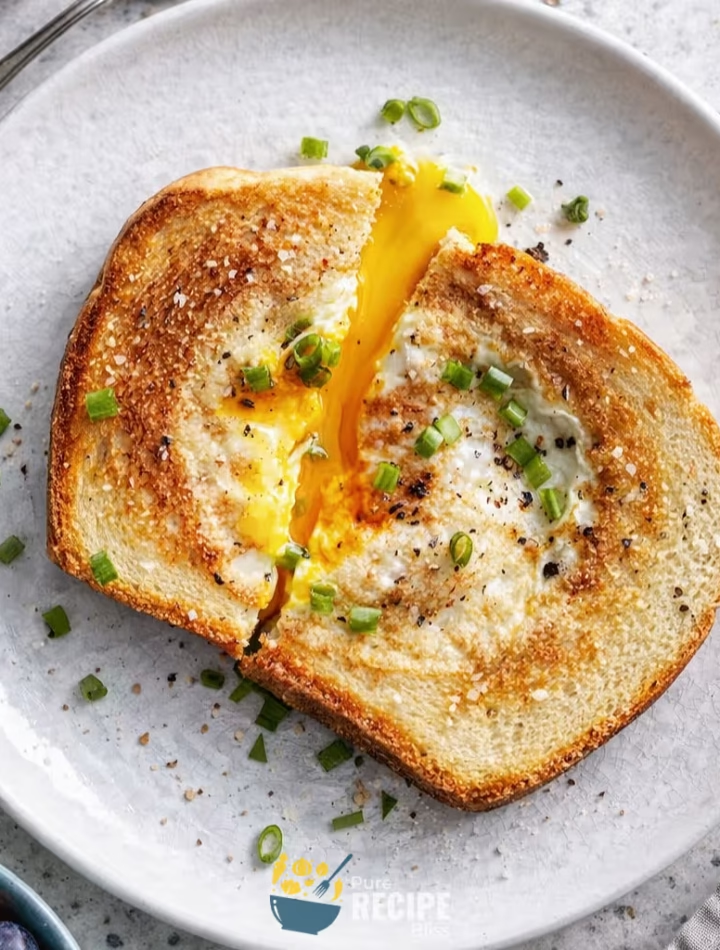
Egg in a Hole is one of those breakfasts that I reach for when I want something warm but don’t want to fuss with too many steps. It’s quick enough to make before heading out the door, and it feels a little playful because of the cut-out bread.
I usually think of it as a morning dish, but I’ve also made it for a light lunch when I didn’t feel like cooking much. It’s simple, but it always brings a bit of comfort, which is why I keep it in my regular rotation.
What is Egg in a Hole?
Egg in a Hole is basically a slice of bread with the middle cut out and an egg cooked right inside that space. The bread gets toasted in butter while the egg sets in the center, so you end up with both parts ready at the same time.
People usually eat it straight from the pan with a little salt and pepper, but it can also be served with extras like fruit, bacon, or even some veggies on the side. Over the years, it has picked up different names in different places, which shows how many families have made it their own. It’s a dish that feels familiar no matter where you try it.
Why You’ll Love This Recipe:
- Quick to make: Egg in a Hole takes only a few minutes from start to finish, so it works well when you don’t want to spend much time cooking. I’ve made it on mornings when I was rushing, and it still turned out fine.
- One pan cleanup: Since the bread and egg cook together in the same skillet, you don’t end up with extra dishes. I like that I don’t have to wash separate pans for toast and eggs.
- Easy to adjust: You can decide how runny or firm you want the yolk, and you can add cheese or herbs if you feel like changing it up. I sometimes sprinkle a little grated cheese before flipping, and it melts nicely.
- Kid-friendly fun: Cutting shapes in the bread makes it more playful. I’ve seen kids enjoy choosing cookie cutters, and it keeps them interested in eating breakfast.
- Works any time of day: Even though it’s mostly a breakfast dish, I’ve had it for lunch with a salad or as a late snack when I wanted something warm but not heavy.
Ingredients Needed:
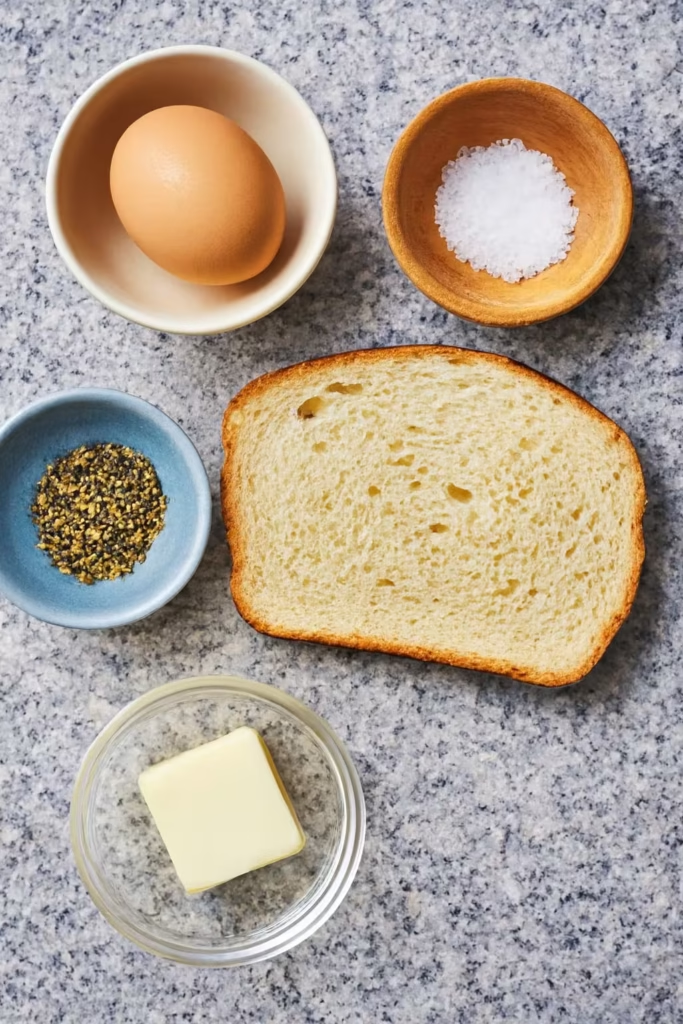
- Bread slice: You’ll want a slice that is thick enough to hold the egg without tearing. I usually go for something sturdy like sourdough or sandwich bread, because thinner slices don’t hold up well.
- Egg: A regular large egg works best here. I’ve tried smaller ones, but they don’t fill the hole properly, and extra-large eggs tend to spill over the sides.
- Butter: This is what gives the bread that golden, crisp edge. I’ve noticed that using just a little less butter makes the bread dry, so I always use the full tablespoon.
- Salt and pepper: These are simple, but they make a big difference. I like to sprinkle salt right after adding the egg, and then add pepper once it’s flipped.
- Optional extras: If you want to change things up, you can add cheese, herbs, or even a few bacon bits. I sometimes add shredded cheese before flipping, and it melts nicely into the bread.
💡 Note: For the full ingredient list with exact amounts and measurements, please check the recipe card below.
Step-By-Step Instructions to Make Egg in a Hole:
One small thing I learned while making Egg in a Hole at home is that if you drop the egg too early, the bread doesn’t get crisp enough. So now I always toast the bread a little first before adding the egg, and it makes the texture much better.
Step 1: Cut the hole in the bread
Take a slice of bread and cut out the center using a cookie cutter or even the rim of a glass. The hole doesn’t have to be perfect, but it should be big enough for the egg to sit inside without spilling over. I usually keep the cut-out piece and toast it too, because it makes a nice little extra bite.
Step 2: Melt the butter in the pan
Place a skillet on medium-low heat and add butter. Wait until it melts and spreads evenly across the pan. The butter should look foamy but not browned, because if it browns too quickly, the bread will burn before the egg cooks.
Step 3: Toast the bread lightly
Put the bread slice in the pan and let one side toast first. This step makes sure the bread is crisp by the time the egg is ready. I learned that if you skip this, the bread stays soft underneath, which doesn’t taste as good.
Step 4: Add the egg into the hole
Crack the egg into a small bowl first, then slide it gently into the hole. This way you avoid shells and spills. The egg white should start to set around the edges while the yolk stays in the middle. Sprinkle a little salt right away so the flavor cooks in.
Step 5: Flip carefully and finish cooking
Once the bottom looks golden and the egg white is mostly set, use a wide spatula to flip the bread and egg together. Cook the other side just until the yolk feels the way you like it like soft and jammy or a little firmer. I usually stop when the yolk jiggles slightly, because that’s my favorite texture.
💡 Note: These steps are just an overview. For detailed quantities, measurements, and exact timings to make this recipe, please check the recipe card below.
Helpful Tips For The Best Results:
- Bread thickness: If the bread is too thin, the egg leaks out and the toast gets soggy. I’ve found that thicker slices hold the egg better and give a nice crisp edge.
- Heat control: Cooking on medium-low heat works best. If the pan is too hot, the bread burns before the egg sets. I once rushed it on high heat, and the outside looked fine but the inside was still raw.
- Butter balance: Use enough butter to coat the pan evenly. Too little makes the bread dry, and too much makes it greasy. I usually swirl the pan to spread it out.
- Egg size swap: If you only have medium eggs, they work fine, but you may need a smaller hole. Extra-large eggs can spill, so I crack them into a bowl first to check.
- Flip carefully: A wide spatula helps. If you flip too fast, the yolk can break. I learned to slide the spatula under the bread slowly and then turn it gently.
Tasty Variations to Try:
- Cheese layer: Sprinkle shredded cheese in the hole before adding the egg. It melts underneath and gives a gooey bite.
- Veggie option: Add a spoonful of sautéed spinach, mushrooms, or peppers before cracking the egg. It makes the dish feel more filling.
- Protein boost: Drop in cooked bacon bits or sausage crumbles. I’ve tried ham cubes too, and they work nicely.
- Herb finish: Fresh parsley or chives sprinkled on top add brightness. I sometimes use cilantro when I have it.
- Seasonal twist: In summer, sliced tomatoes on the side taste great. In colder months, I like adding a pinch of chili flakes for warmth.
- Bread swap: Try whole wheat or sourdough for a different flavor. I once used a leftover burger bun, and it actually worked better than I expected.
Serving Suggestions:
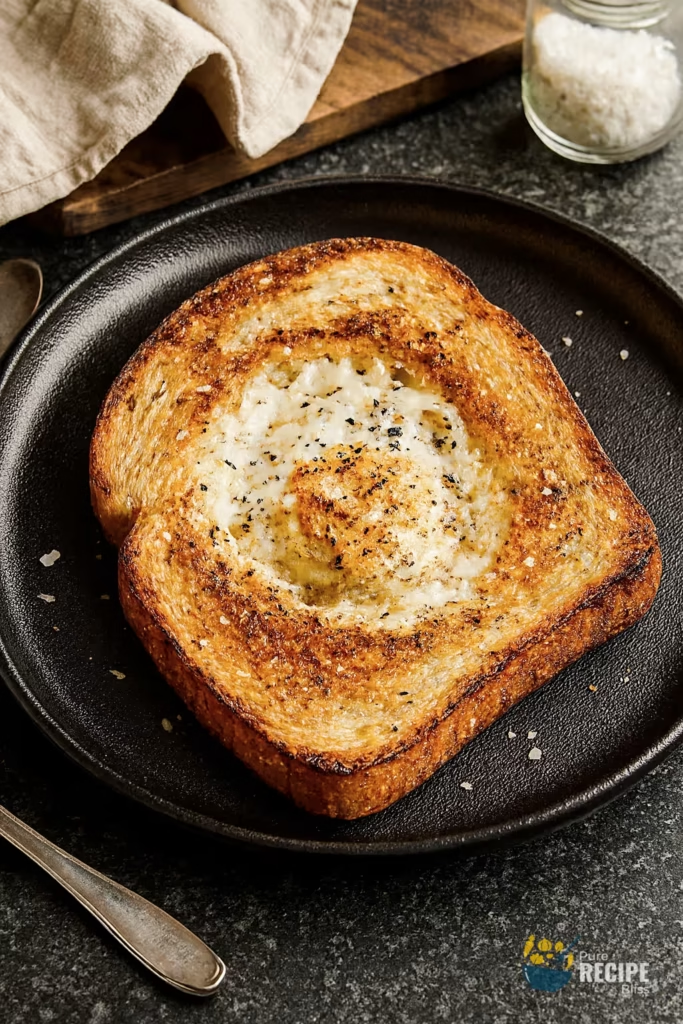
1. Breakfast plate:
Serve Egg in a Hole with crispy bacon or sausage on the side. It pairs well with fresh fruit like berries or orange slices to balance the richness.
2. Light lunch:
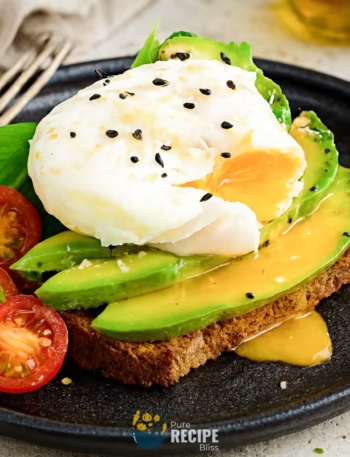
Perfect for a quick midday meal when paired with a small salad or roasted vegetables. I sometimes add avocado slices for extra creaminess.
3. Snack option:
Works as a warm snack in the evening. Serve with a handful of chips or cut-up veggies if you want something easy but filling.
4. Weekend brunch:
Pairs well with hash browns, roasted tomatoes, or even a smoothie. It feels a little more special when served with coffee or fresh juice.
Storage & Reheating Tips:
- Best storage method: Egg in a Hole is really best eaten fresh, but if you have leftovers, place them in an airtight container and keep them in the fridge. I’ve noticed they stay okay for about a day, but longer than that the bread gets tough.
- Reheating advice: The easiest way to reheat is in a skillet with a small dab of butter. This keeps the bread crisp and warms the egg gently. I avoid the microwave because it makes the bread chewy and the yolk overcooked.
- Texture note: If you like the yolk soft, reheating will usually firm it up, so it’s better to enjoy that part right after cooking.
Frequently Asked Questions (FAQ):
-
Can I use a different type of bread?
Yes, you can. Whole wheat, sourdough, or even burger buns work fine. Just make sure the slice is sturdy enough so the egg doesn’t spill out.
-
Can I make Egg in a Hole ahead of time?
It’s best fresh, but you can prepare the bread with the hole cut out earlier. Then when you’re ready, just cook it with the egg.
-
What if the yolk cooks too firm?
Lower the heat and shorten the cooking time. I learned that keeping the pan covered for a minute helps the whites set without overcooking the yolk.
-
Is there a dairy-free option?
Yes, you can swap butter for olive oil or a plant-based spread. It changes the flavor slightly, but it still works well.
-
Can I add extra toppings?
Definitely. Cheese, herbs, or even cooked veggies can be added before or after cooking. I sometimes add spinach or mushrooms for a little more texture.

Egg in a Hole
Description
Egg in a Hole is a quick breakfast where bread and egg cook together in one pan. It’s simple, filling, and fun to make, especially when you want something warm without spending much time.
Ingredients
Instructions
- Cut a round hole in the center of each of the 2 bread slices using a cutter or glass rim. Save the cut-out pieces to toast alongside.
- Heat 1½ tablespoons butter in a skillet over medium-low until melted and spread evenly across the pan.
- Place the bread slices in the skillet and toast one side until lightly golden.
- Crack each of the 2 large eggs into a small bowl, then slide gently into the hole of each bread slice. Sprinkle with ¼ teaspoon salt.
- Cook until the egg whites begin to set, about 2 minutes.
- Flip carefully with a wide spatula, season with ¼ teaspoon black pepper, and cook another 30-40 seconds until yolk reaches desired texture.
- Serve immediately with optional 2 tablespoons shredded cheese, 1 tablespoon chopped herbs, or 2 tablespoons cooked bacon sprinkled on top.
Notes
- If using smaller eggs, cut a smaller hole so the whites don’t spill.
- Keep heat medium-low to avoid burning the bread before the egg cooks.
- For softer yolks, cover the skillet with a lid instead of flipping.
Nutrition Facts
Servings 2
Serving Size 1 slice with egg
- Amount Per Serving
- Calories 265kcal
- % Daily Value *
- Total Fat 17g27%
- Sodium 310mg13%
- Total Carbohydrate 18g6%
- Dietary Fiber 2g8%
- Sugars 2g
- Protein 11g22%
- Vitamin A 420 IU
- Vitamin C 0.2 mg
- Calcium 85 mg
- Iron 1.6 mg
- Vitamin D 45 IU
* Percent Daily Values are based on a 2,000‑calorie diet, and your daily needs may be higher or lower depending on your lifestyle. Nutrition information is shared only as a general estimate and may not always be fully accurate. If you follow a special diet or have specific health concerns, it’s best to check with a registered dietitian for personalized guidance.