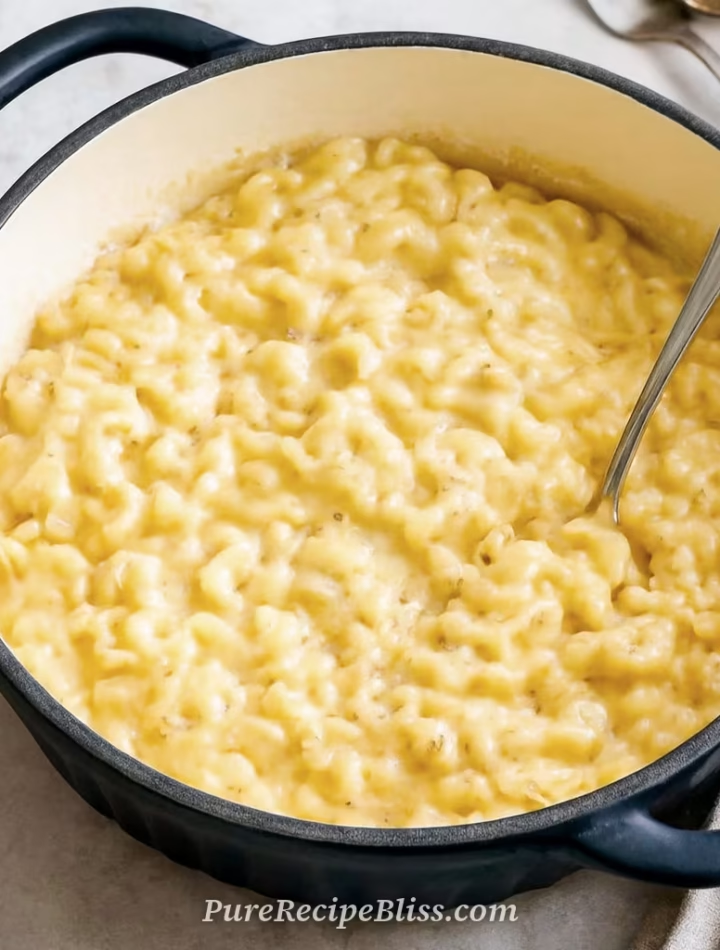
You know, the thing about Homemade Mac & Cheese is that it’s one of those dishes that feels comforting every single time you make it, and it’s honestly so simple that you don’t have to think too much while cooking.
It’s basically just pasta with a creamy cheese sauce, but the flavor makes it taste way better than anything you’d get from a box. The nice part is that it only takes about twenty minutes on the stove, so you don’t need to spend a lot of time in the kitchen.
I usually think of it as a great option for dinner, but it works just as well for lunch or even as a filling snack when you want something warm and cozy.
What is Mac & Cheese?
Homemade Mac & Cheese is basically a simple pasta dish that’s mixed with a creamy cheese sauce, and it’s one of those meals that almost everyone enjoys because it feels familiar and comforting.
The pasta is usually macaroni, but honestly you can use other shapes too, and the sauce is made with milk, butter, flour, and a blend of cheeses that melt together into something smooth and rich.
People usually eat it warm right off the stove, and it works well as a main dish or even as a side with other foods like chicken or veggies. In American homes, it’s a classic comfort food that families make often because it’s quick, filling, and always satisfying.
Why You’ll Love This Recipe:
Quick to make: Homemade Mac & Cheese only takes about twenty minutes on the stove, so you don’t have to spend a long time cooking when you’re already tired or busy.
Simple ingredients: The recipe uses basic things like pasta, milk, butter, flour, and cheese, which are usually already in the fridge or pantry, so you don’t need to shop for anything special.
Beginner-friendly: The steps are straightforward, and even if you don’t cook often, you can still follow along without feeling stressed.
Easy to customize: You can change the cheese blend or add extras like chicken, bacon, or veggies, so it never feels boring.
Comfort food anytime: It works well for lunch or dinner, and even as a filling snack, so you can enjoy it whenever you want something warm and cozy.
Ingredients Needed:
When you’re getting ready to make Homemade Mac & Cheese, you don’t really need anything fancy, and most of the ingredients are things you probably already have at home. Each one has a simple role that helps the dish come together.
- Pasta – this is the base of the dish and gives it the filling texture.
- Butter – helps create the creamy sauce and adds flavor.
- Flour – works with the butter to thicken the sauce.
- Milk – makes the sauce smooth and creamy.
- Cheese – melts into the sauce and gives the dish its rich flavor.
- Seasonings – add extra taste and keep the flavor from being bland.
💡 Note: For the full ingredient list with exact amounts and measurements, please check the recipe card below.
Step-By-Step Instructions to Make Homemade Mac & Cheese:
Step 1: Boil the Pasta
First, you’ll want to start by boiling your pasta in a pot of lightly salted water, and it’s important to keep an eye on it so the noodles don’t get too soft. You want them to be cooked just until they feel firm but tender, because if they go past that point they can turn mushy once mixed with the sauce. Drain the pasta and set it aside while you prepare the sauce.
Step 2: Make the Roux
Next, melt butter in a pan and then sprinkle in the flour, stirring it together until it looks smooth and slightly golden. This mixture is called a roux, and it’s what helps thicken the sauce later. Keep whisking so it doesn’t clump, and you’ll notice the smell turning nutty as it cooks.
Step 3: Add the Milk
Once the roux looks ready, slowly pour in warm milk a little at a time, whisking constantly so the sauce stays smooth. If you add it too quickly, the mixture can get lumpy, so it’s better to go slow and steady. The sauce should start to look creamy and glossy as it thickens.
Step 4: Season the Sauce
Now it’s time to add the seasonings like salt, pepper, garlic powder, onion powder, and a touch of mustard powder if you like a stronger flavor. Stir them in well so the sauce doesn’t taste flat. You’ll notice the aroma becoming richer as the spices blend into the creamy base.
Step 5: Melt the Cheese
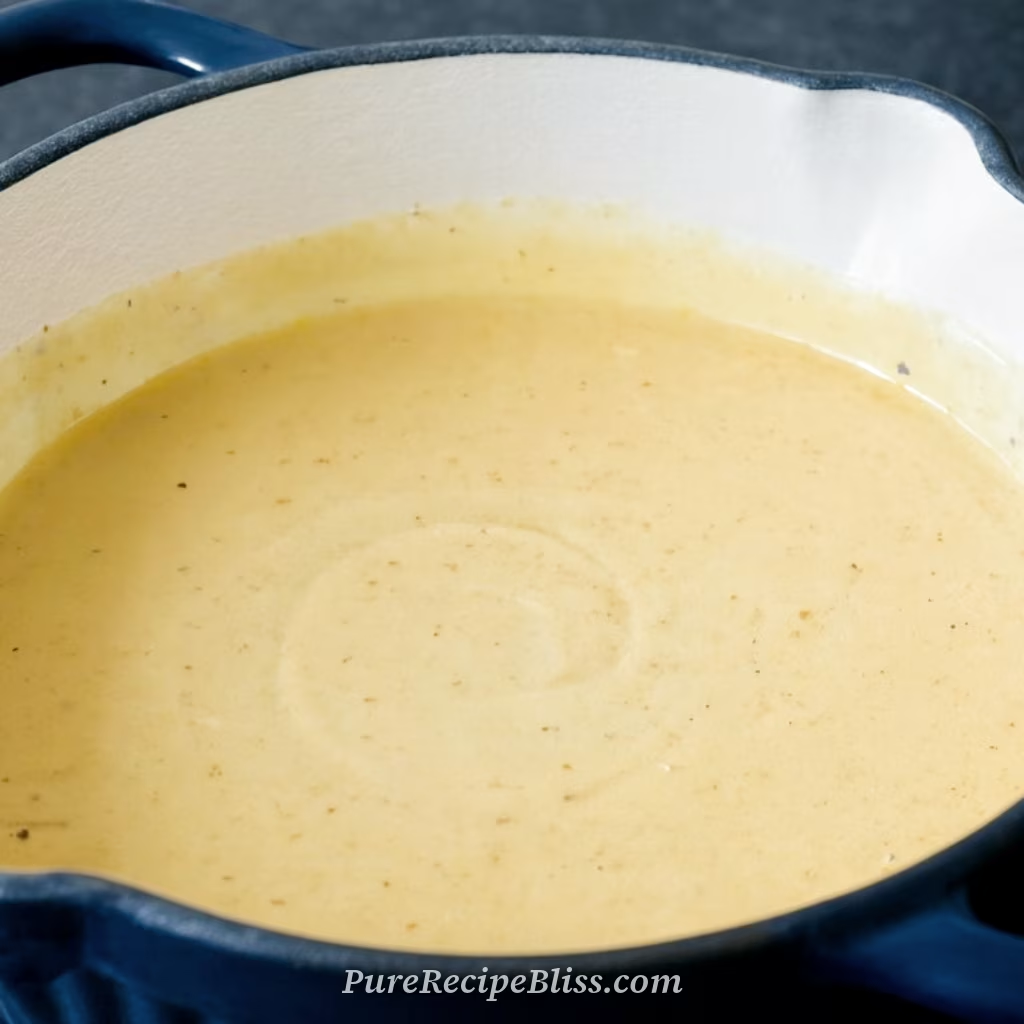
After the sauce has thickened, add in your freshly shredded cheeses one handful at a time, stirring until each batch melts completely before adding more. The sauce should look smooth and stretchy, with a glossy finish that tells you it’s ready. Using freshly grated cheese makes a big difference because it melts better and tastes stronger.
Step 6: Combine Pasta and Sauce
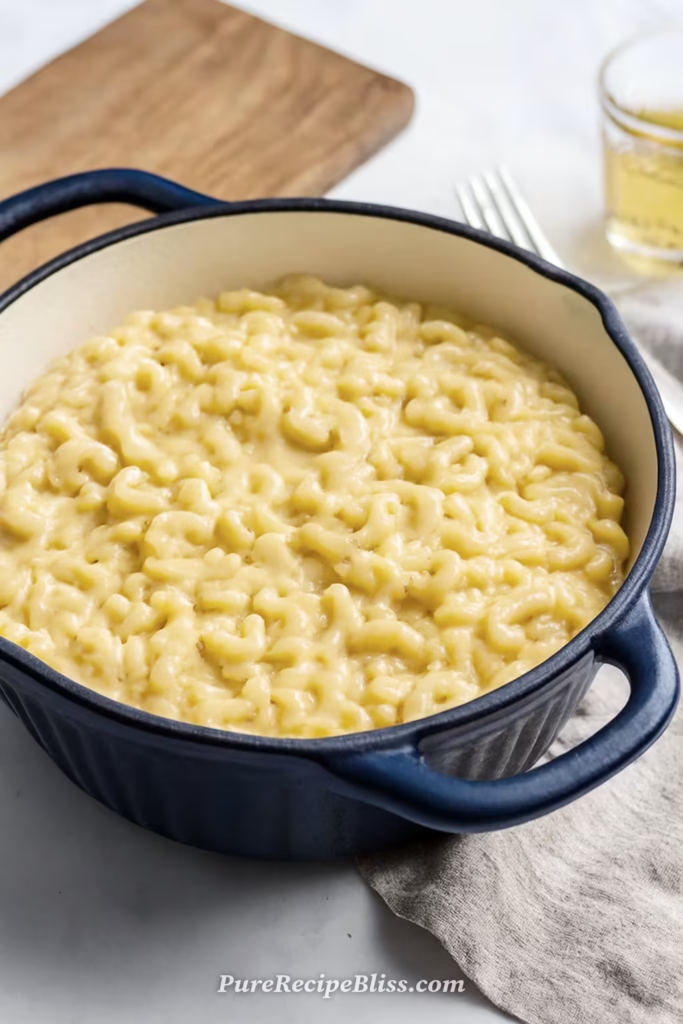
Finally, add the drained pasta into the pan with the cheese sauce and stir until every noodle is coated evenly. The pasta should look creamy and rich, with no dry spots. Serve it warm right away, because that’s when the sauce is at its best texture.
💡 Note: These steps are just an overview. For detailed quantities, measurements, and exact timings to make this recipe, please check the recipe card below.
Helpful Tips For The Best Results:
Cook pasta just right: Try to keep the pasta slightly firm because if it gets too soft, it can turn mushy once mixed with the sauce.
Control the heat: Keep the stove on medium when making the sauce, because if the heat is too high the milk can scorch or the cheese can separate.
Shred cheese yourself: Pre-shredded cheese has additives that stop it from melting smoothly, so grating fresh cheese makes the sauce creamier.
Warm the milk first: Adding milk that is slightly warm helps the sauce blend better and prevents lumps.
Swap ingredients smartly: If you don’t have whole milk, you can use 2% milk, but avoid skim because it makes the sauce thin.
Tasty Variations to Try:
- Extra flavor: Add smoked paprika or chili powder if you want a stronger kick in the sauce.
- Vegetarian boost: Mix in cooked broccoli, spinach, or peas to make it feel more wholesome.
- Protein option: Stir in grilled chicken, crumbled bacon, or sausage for a heartier version.
- Cheese swap: Try gouda, parmesan, or pepper jack instead of cheddar to change the flavor profile.
- Seasonal idea: In colder months, add roasted pumpkin or butternut squash for a cozy twist.
- Lighter choice: Use reduced-fat cheese and olive oil instead of butter if you want a lighter meal.
Serving Suggestions:
1. Family dinner:
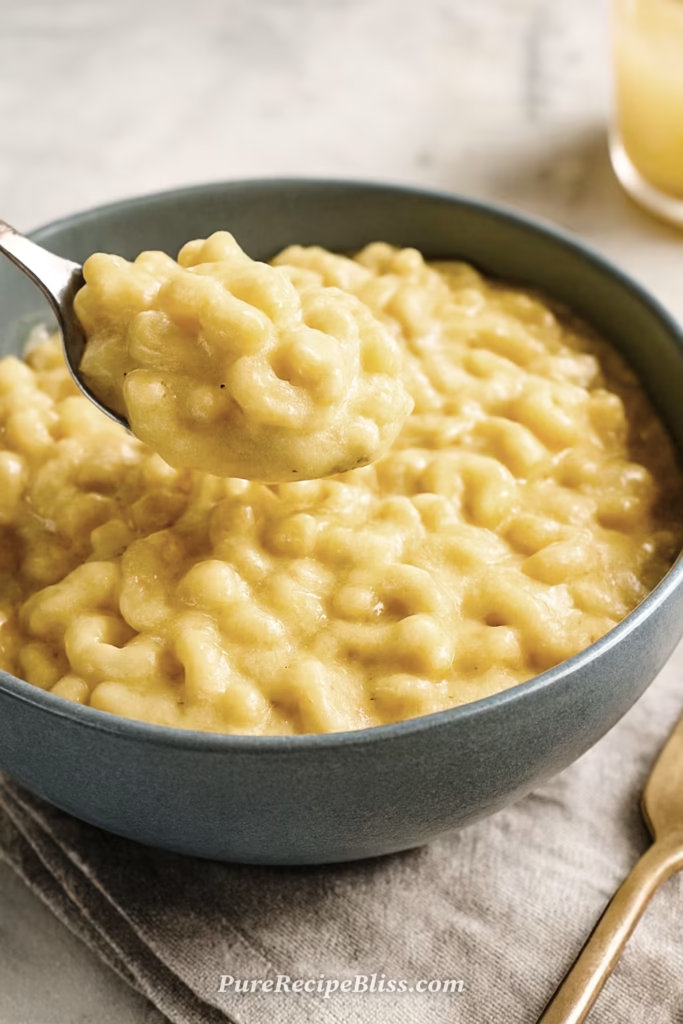
Homemade Mac & Cheese is perfect for serving as the main dish when you want something simple but filling, and it works well for both kids and adults because the flavor is familiar and comforting.
2. Side dish option:
You can also serve it as a side with grilled chicken, baked fish, or even roasted vegetables, since the creamy sauce balances nicely with lighter proteins.
3. Casual gatherings:
It pairs well with barbecue foods like ribs or pulled pork, so it’s a good choice when you’re cooking for friends or having a weekend get-together.
4. Quick lunch:
If you don’t want to spend much time, you can serve a smaller portion with a fresh salad, and it makes a satisfying midday meal.
5. Snack idea:
A small bowl works as a cozy snack in the evening, especially when you just want something warm and easy.
Storage & Reheating Tips:
- How long it keeps: Homemade Mac & Cheese usually stays good for about a week when kept properly, so you don’t have to rush to finish it right away.
- Best storage method: Place it in an airtight container and keep it in the refrigerator, because that helps the sauce stay creamy and prevents it from drying out.
- Simple reheating advice: When reheating, add a splash of milk and warm it slowly on the stove or in the microwave, since that brings back the creamy texture and stops it from turning too thick.
Frequently Asked Questions (FAQ):
-
Can I use different cheeses?
Yes, you can swap cheddar for other cheeses like gouda, parmesan, or mozzarella, and each one will change the flavor slightly, so it’s fun to experiment.
-
Can I make it ahead of time?
You can cook Homemade Mac & Cheese earlier in the day and store it in the fridge, but just remember to add a splash of milk when reheating so the sauce doesn’t feel too thick.
-
Why does my sauce turn grainy?
This usually happens if the heat is too high or if pre-shredded cheese is used, so keeping the heat lower and grating fresh cheese helps.
-
Is there a lighter option?
Yes, you can use reduced-fat cheese and 2% milk instead of whole milk, but avoid skim milk because it makes the sauce too thin.
Mac & Cheese
Description
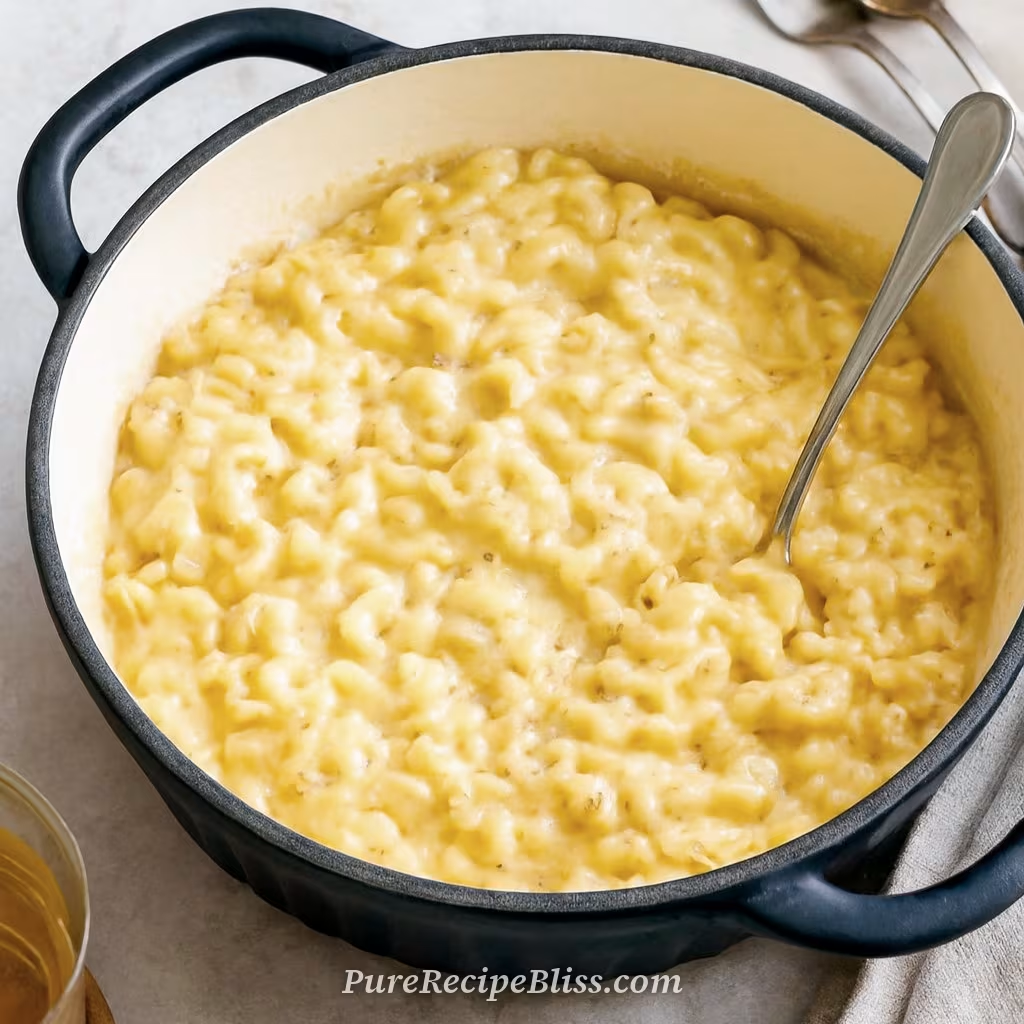
Homemade Mac & Cheese is a creamy stovetop pasta dish made with butter, flour, milk, and a blend of freshly shredded cheeses. It’s quick to prepare in about twenty minutes, uses simple pantry ingredients, and works perfectly for dinner, lunch, or even as a filling snack.
Ingredients
Instructions
- Boil 2 cups macaroni pasta in a large pot of lightly salted water for about 8–10 minutes, until al dente. Drain and set aside.
- In a saucepan, melt 3 tablespoons unsalted butter over medium heat.
- Add 3 tablespoons all-purpose flour and whisk constantly for 1–2 minutes until smooth and lightly golden.
- Slowly pour in 2 cups warmed whole milk, whisking continuously to avoid lumps, and cook until the sauce thickens and looks creamy.
- Stir in 1 teaspoon salt, 1 ½ teaspoons black pepper, 1 ½ teaspoons onion powder, ½ teaspoon garlic powder, and ½ teaspoon ground mustard (optional). Mix well so the flavors blend evenly.
- Add 1 cup freshly shredded sharp cheddar cheese, ½ cup freshly shredded mozzarella cheese, and ½ cup freshly shredded parmesan cheese, one handful at a time, whisking until melted and smooth.
- Combine the drained pasta with the cheese sauce, stir until every piece is coated, and serve warm.
Nutrition Facts
Servings 8
Serving Size 1 cup
- Amount Per Serving
- Calories 320kcal
- % Daily Value *
- Total Fat 16g25%
- Sodium 480mg20%
- Total Carbohydrate 28g10%
- Dietary Fiber 1.5g6%
- Sugars 4g
- Protein 14g29%
- Vitamin A 450 IU
- Vitamin C 0.5 mg
- Calcium 280 mg
- Iron 1.2 mg
- Vitamin D 120 IU
* Percent Daily Values are based on a 2,000‑calorie diet, and your daily needs may be higher or lower depending on your lifestyle. Nutrition information is shared only as a general estimate and may not always be fully accurate. If you follow a special diet or have specific health concerns, it’s best to check with a registered dietitian for personalized guidance.