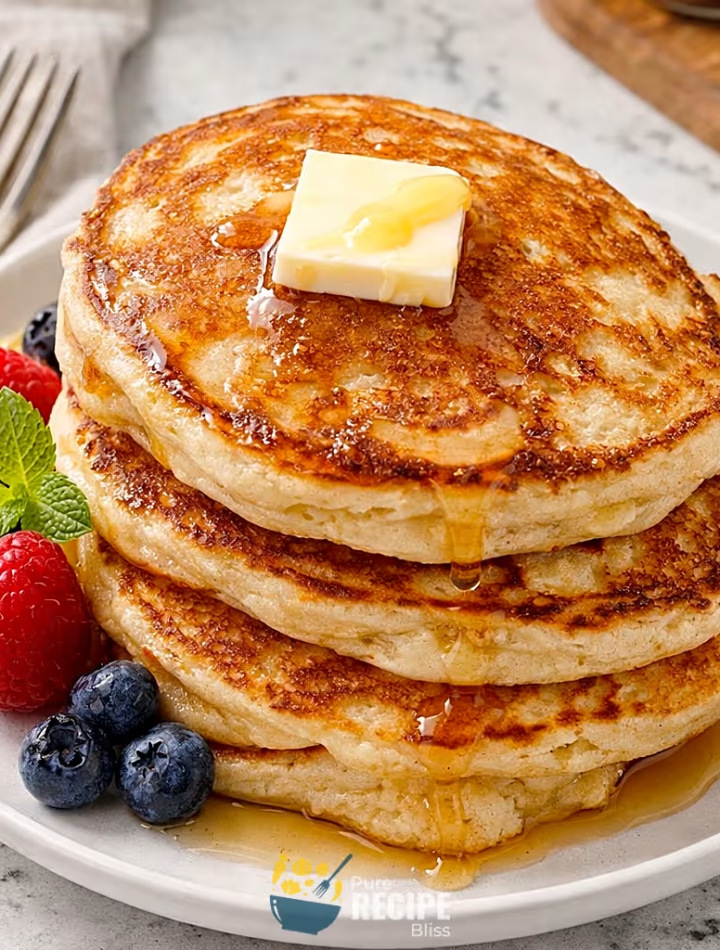
I wanted to share this fluffy pancakes recipe because it’s one of those dishes that feels easy to bring together without much planning. The batter comes together quickly, and you don’t need any special tools, which makes it nice when you just want something warm on the table without fuss.
I usually make them in the morning since they fit well as a breakfast meal, but they can also be enjoyed later in the day if you’re looking for a small treat. Let’s first talk about what fluffy pancakes actually are before we get into the details of making them.
What is Fluffy Pancakes
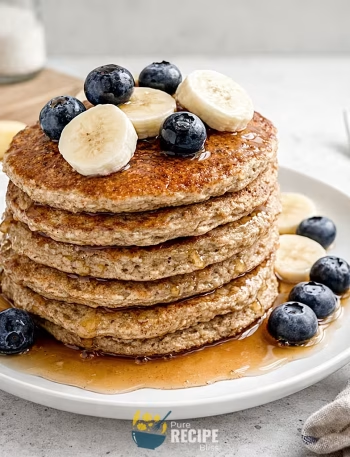
Fluffy pancakes are those soft, thick, and slightly airy pancakes that rise up nicely when cooked on a pan or griddle. They are different from thin crepes because they have more body and a tender bite, which makes them feel filling without being heavy.
Most people enjoy them stacked with butter and syrup, but they can also be served with fruit, whipped cream, or even a bit of yogurt if you want something lighter. They are mainly eaten for breakfast, though I’ve seen them served as a quick snack when someone wants something warm and satisfying.
In many homes, they’re a go‑to recipe because they don’t take long to prepare, and they bring that cozy feeling of a homemade meal without much effort.
Why You’ll Love This Recipe:
- Quick to make: The batter comes together in just a few minutes, and the cooking time is short, so you don’t need to set aside a whole morning. I’ve made these when I was in a rush, and they still turned out fine.
- Reliable texture: The pancakes rise nicely and stay soft inside. I noticed that even if the batter has a few lumps, they cook up fluffy, which makes them more forgiving than other recipes.
- Easy to adjust: If you like thinner pancakes, you can add a splash of milk, and if you prefer them thicker, a little extra flour works. I’ve tried both ways, and each version has its own charm.
- Family‑friendly: These pancakes are always a hit with kids and adults. I’ve made them for breakfast gatherings, and everyone seemed happy to stack them with their favorite toppings.
- Good for leftovers: I often make a bigger batch and keep some in the fridge or freezer. They reheat quickly, and it saves me time on busy mornings.
Ingredients Needed:
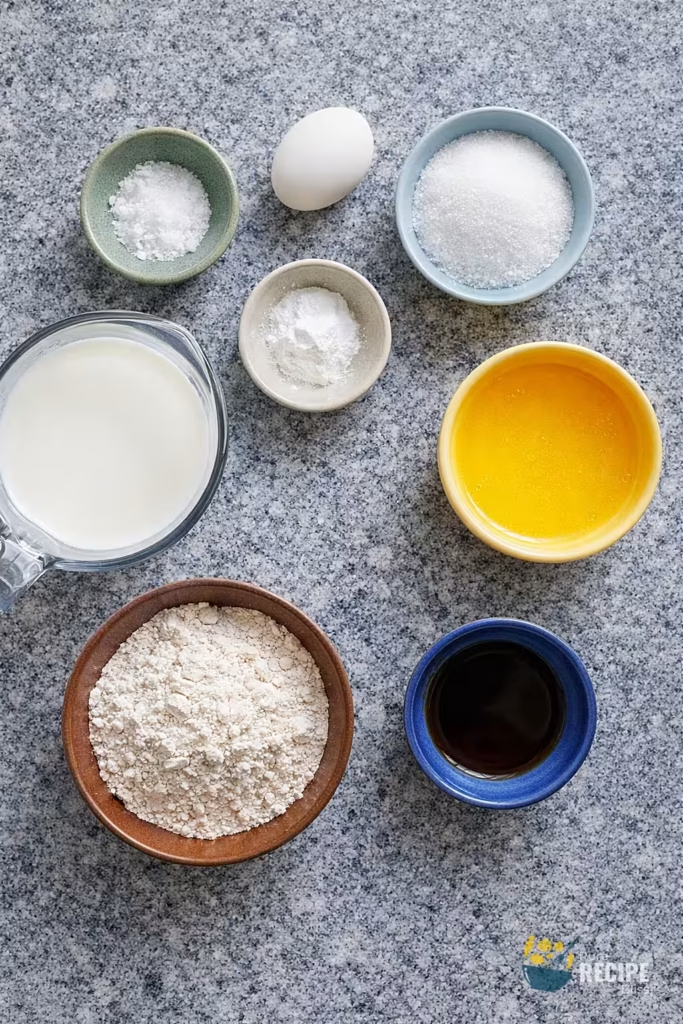
- All‑purpose flour: This is the base that gives the pancakes structure. I always sift it because when I skipped that step once, the pancakes came out heavier than I liked.
- Baking powder: This is what makes the pancakes rise and stay fluffy. I check the date on the container because I once used an old one and the pancakes turned out flat.
- Salt: Just a pinch helps balance the sweetness. Without it, the flavor feels a little dull.
- Sugar: I usually use white sugar, but I’ve tried light brown sugar too, and it gave a slightly richer taste.
- Whole milk: Regular milk works best, but I’ve also used oat milk when I ran out, and it still gave good results.
- Vanilla extract: This adds a nice background flavor. I once forgot to add it, and the pancakes tasted fine, but they missed that little extra touch.
- Egg: One large egg helps bind everything together. I prefer using room‑temperature eggs because they mix more smoothly.
- Butter (melted and cooled): This adds flavor and keeps the pancakes soft. I learned not to add it while it’s too hot, because it can scramble the egg in the batter.
💡 Note: For the full ingredient list with exact amounts and measurements, please check the recipe card below.
Kitchen Gadgets & Tools You’ll Need:
- Mixing bowl: You’ll need one medium‑sized bowl to combine the dry and wet ingredients. I prefer using a bowl with a wide base because it makes whisking easier and less messy.
- Whisk: A whisk helps blend the batter smoothly. I’ve tried using a spoon before, but the whisk always gives better results with fewer lumps. I use this whisk from Kitchenaid.
- Measuring cups and spoons: Accurate measurements matter for fluffy pancakes. I once eyeballed the flour and ended up with dense pancakes, so now I always measure properly. If you don’t have one, you can try this stainless steel measuring cups and spoons.
- Non‑stick pan or griddle: This is important for even cooking. I use a flat electric griddle when making several pancakes at once, but a regular non‑stick pan works fine too.
- Spatula: A flat spatula makes flipping easier. I learned that a thin spatula slides under the pancake better without breaking it.
- Sifter (optional): If you want lighter pancakes, sifting the flour helps. I skipped this step once and noticed the pancakes were heavier, so now I keep a small sifter handy.
Step-By-Step Instructions to Make Fluffy Pancakes:
One small thing I learned while making this recipe at home is that the batter doesn’t need to be perfectly smooth. A few lumps actually help the pancakes stay fluffy, so I stopped over‑mixing after realizing that mistake.
Step 1: Mix the dry ingredients
Start by combining the flour, baking powder, salt, and sugar in a large bowl. I like to sift them together because it keeps the texture light, and I noticed the pancakes rise better this way. If you skip sifting, the batter can feel heavier.
Step 2: Add the wet ingredients
Make a small well in the center of the dry mix and pour in the milk, vanilla, egg, and melted butter. Whisk gently until the mixture looks mostly smooth. Don’t worry if you see lumps because they disappear once cooked. I once added the butter while it was still hot, and it scrambled the egg, so now I always let it cool slightly first.
Step 3: Heat the pan or griddle
Place a non‑stick pan or griddle over medium heat. I usually test the temperature by sprinkling a drop of water because if it sizzles, it’s ready. Too much heat will brown the outside too quickly, leaving the inside raw, so keeping the heat steady is important.
Step 4: Cook the pancakes
Pour about a quarter cup of batter onto the pan for each pancake. Watch for bubbles forming on the surface and edges starting to set, that’s the cue to flip. The second side cooks faster, and you’ll know it’s done when the pancake turns golden brown. I once flipped too early and the center was still raw, so now I wait until the bubbles are clear.
Step 5: Serve and enjoy
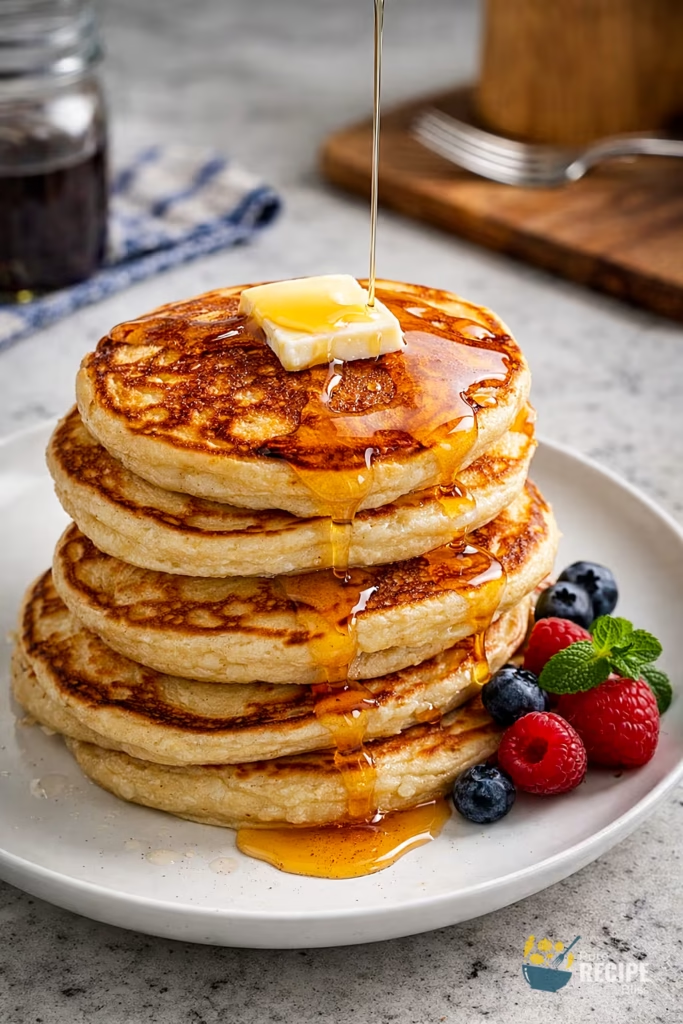
Stack the pancakes while they’re warm and add toppings like butter, syrup, or fruit. I sometimes add yogurt on top for a lighter option, and my kids love chocolate chips sprinkled over. The pancakes taste best fresh, but they also reheat well if you make extra.
💡 Note: These steps are just an overview. For detailed quantities, measurements, and exact timings to make this recipe, please check the recipe card below.
Helpful Tips For The Best Results:
- Texture check: Don’t whisk the batter until it’s perfectly smooth. A few lumps are fine, and I noticed they actually help the pancakes stay fluffy instead of turning dense.
- Heat control: Keep the pan at medium heat. I once tried cooking them on high, and the outside browned too quickly while the inside stayed raw. Testing with a drop of water that sizzles is a good way to know the pan is ready.
- Butter handling: Melted butter should cool a little before mixing. I added it too hot once, and it scrambled the egg in the batter.
- Ingredient swap: Whole milk gives the best texture, but I’ve used oat milk when I ran out, and it still worked. Just expect the flavor to be slightly different.
- Batch cooking: If you’re making several pancakes, keep the cooked ones on a plate covered with a clean towel. This keeps them warm without drying out.
Tasty Variations to Try:
- Chocolate chip pancakes: Sprinkle chips on the batter after pouring it into the pan so they don’t sink to the bottom.
- Berry pancakes: Add blueberries or chopped strawberries directly into the batter. I like blueberries because they burst slightly while cooking.
- Nutty version: Chopped walnuts or pecans give a nice crunch. I usually toast them first for better flavor.
- Seasonal spice: A pinch of cinnamon or pumpkin spice makes them feel cozy in colder months.
- Savory twist: Skip the sugar and add shredded cheese or herbs. I tried cheddar once, and it gave a nice salty bite.
- Gluten‑free option: Swap the flour for a gluten‑free blend. The texture is a little different, but still enjoyable.
Serving Suggestions:
1. Breakfast plate:
Serve with scrambled eggs or bacon on the side. This makes the meal feel more complete and keeps everyone full longer.
2. Sweet toppings:
Pairs well with butter, maple syrup, or fresh fruit. I sometimes add yogurt or whipped cream when I want something lighter.
3. Snack option:
Perfect for a quick bite in the afternoon. I usually reheat one pancake and add a drizzle of honey for a small treat.
4. Family table:
Serve with a variety of toppings so everyone can choose. Kids often go for chocolate chips, while adults enjoy berries or nuts.
Storage & Reheating Tips:
- Fridge storage: Keep leftover fluffy pancakes in an airtight container or sealed bag. They usually stay good for about three days, and I noticed they don’t dry out as long as the container is closed tightly.
- Freezer option: Place parchment paper between each pancake before freezing. This prevents them from sticking together, and they can last for a couple of months. I like to freeze extra batches so breakfast feels easier later.
- Reheating method: Warm them in the microwave for a few seconds or lightly toast them. I prefer the toaster because it keeps the edges a little crisp, while the microwave makes them softer.
Frequently Asked Questions (FAQ):
-
Can I use a different type of milk?
Yes, you can swap whole milk with oat milk, almond milk, or even skim milk. I’ve tried oat milk before, and while the flavor was slightly different, the pancakes still turned out fluffy.
-
Can I make the batter ahead of time?
It’s better to cook the pancakes right after mixing, but I’ve kept the batter in the fridge for a few hours and it worked fine. Just give it a gentle stir before using.
-
Why are my pancakes flat instead of fluffy?
This usually happens if the baking powder is old or if the batter was over‑mixed. I learned to check the baking powder date and stop whisking once the ingredients come together.
-
Can I make them gluten‑free?
Yes, you can use a gluten‑free flour blend. The texture is a little different, but they still taste good. I’ve tried it once, and the pancakes were slightly softer but still enjoyable.
-
Can I reduce the sugar?
Yes, you can cut the sugar down or use light brown sugar instead. I’ve done this when serving with sweet toppings, and the flavor balanced out nicely.
Fluffy Pancakes
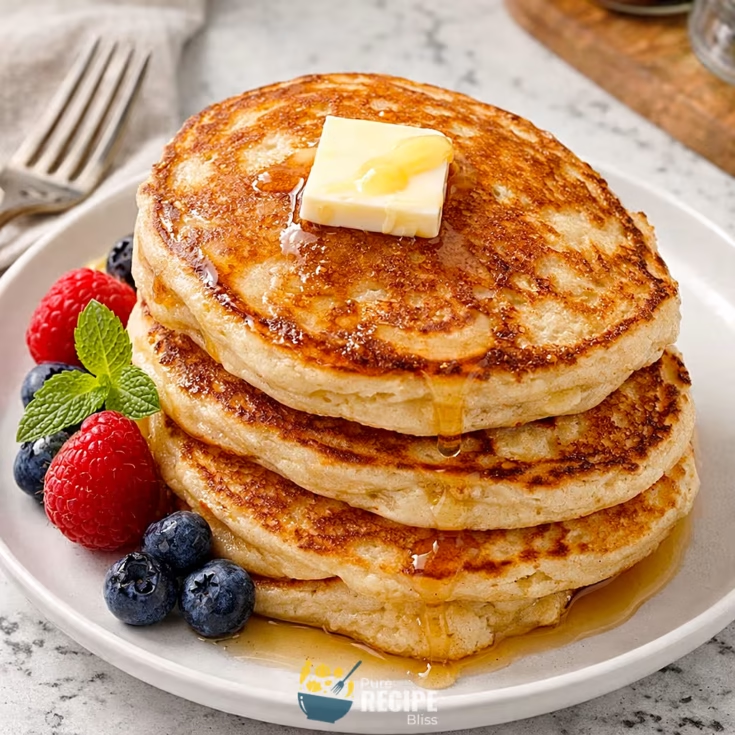
These fluffy pancakes are soft, golden, and easy to make at home. The batter comes together quickly, and with a few small tricks, you’ll get pancakes that rise nicely and taste great. Perfect for breakfast or even a quick snack.
Ingredients
- 1 ¼ cups all‑purpose flour (sifted)
- 3 tablespoons granulated sugar
- 1 tablespoon baking powder
- ½ teaspoon salt
- 1 cup whole milk
- 1 large egg (room temperature)
- 1 teaspoon vanilla extract
- 2 tablespoons butter, melted and cooled
Instructions
- In a large bowl, sift together 1 ¼ cups flour, 3 tablespoons sugar, 1 tablespoon baking powder, and ½ teaspoon salt.
- Make a well in the center and add 1 cup milk, 1 large egg, and 1 teaspoon vanilla extract. Whisk gently until combined.
- Stir in 2 tablespoons melted butter, making sure it has cooled slightly before adding.
- Heat a non‑stick pan or griddle over medium heat and lightly grease with butter or oil.
- Pour about ¼ cup batter for each pancake. Cook until bubbles form on the surface and edges look set, then flip.
- Cook the other side until golden brown. Repeat with the remaining batter.
- Serve warm with butter, syrup, or fruit of choice.
Notes
Nutrition Information
Yield 4 Serving Size 2 pancakesAmount Per Serving Calories 335Total Fat 12gSaturated Fat 6gTrans Fat 0gUnsaturated Fat 3gCholesterol 70mgSodium 480mgCarbohydrates 45gNet Carbohydrates 44gFiber 1gSugar 10gProtein 8g
Percent Daily Values are based on a 2,000‑calorie diet, and your daily needs may be higher or lower depending on your lifestyle. Nutrition information is shared only as a general estimate and may not always be fully accurate. If you follow a special diet or have specific health concerns, it’s best to check with a registered dietitian for personalized guidance.