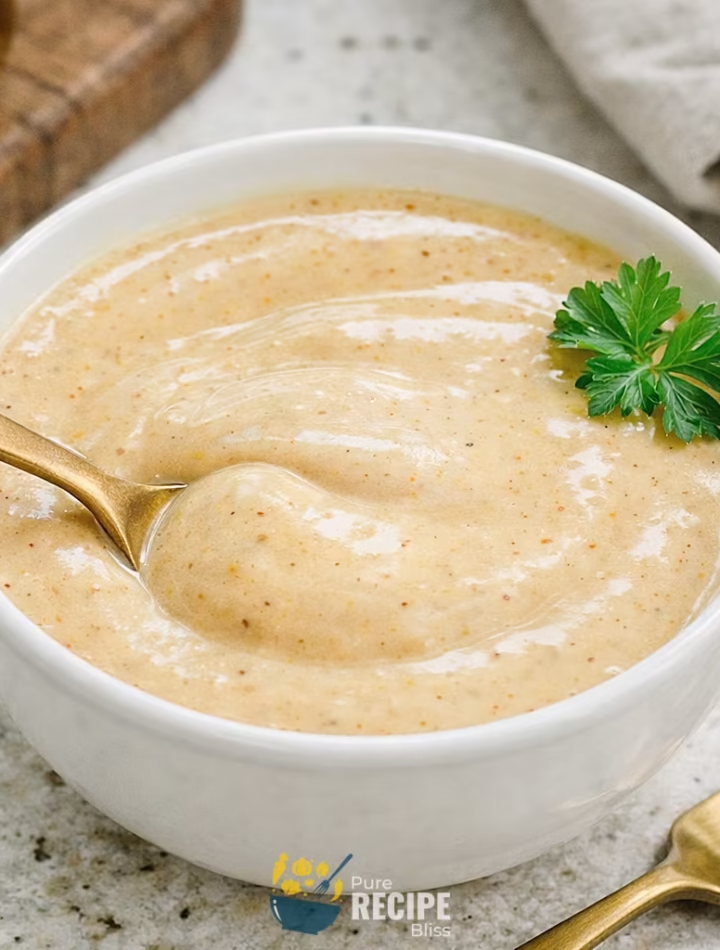
You know how sometimes you just want something quick that makes your food taste better without a lot of effort? That’s exactly why I started making homemade honey mustard sauce. It doesn’t take long at all, and I like that I can mix it up right before a meal without planning ahead.
I’ve used it at different times of the day like dipping veggies in the afternoon, spreading it on a sandwich at lunch, or adding it to chicken at dinner. It’s one of those little extras that feels easy but makes the meal more enjoyable, and that’s why I keep it in my routine.
What is Honey Mustard Sauce?
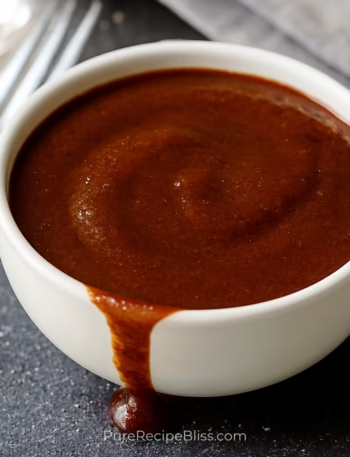
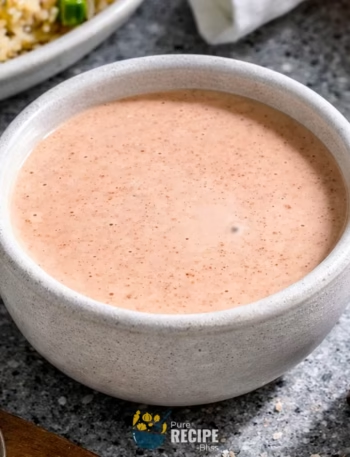
Honey mustard sauce is basically a mix of mustard and honey with a creamy base that makes it smooth and easy to dip into. The flavor is a balance of tangy and sweet, and that’s what makes it stand out compared to plain mustard.
It’s usually eaten as a dipping sauce for things like fries, chicken tenders, or roasted vegetables, but it also works well as a spread inside sandwiches or wraps. Some people even use it as a quick salad dressing or a marinade for meats, which shows how flexible it can be in everyday cooking.
Why You’ll Love This Recipe:
- Quick to make: It only takes a few minutes to whisk everything together, and I like that I don’t need to plan ahead or cook anything.
- Easy to adjust: You can make it sweeter with more honey or sharper with extra Dijon mustard, and I’ve found that small changes really change the flavor in a good way.
- Works with many foods: I’ve used it as a dip for fries, spread on sandwiches, and even brushed over chicken before baking, so it fits into different meals without much thought.
- Better than store‑bought: I noticed that the homemade version tastes fresher and doesn’t have that heavy aftertaste you sometimes get from bottled sauces.
- Family‑friendly: Everyone in my house likes it, and it’s one of those sauces that works for both kids and adults, which makes it easy to keep on hand.
Ingredients Needed:
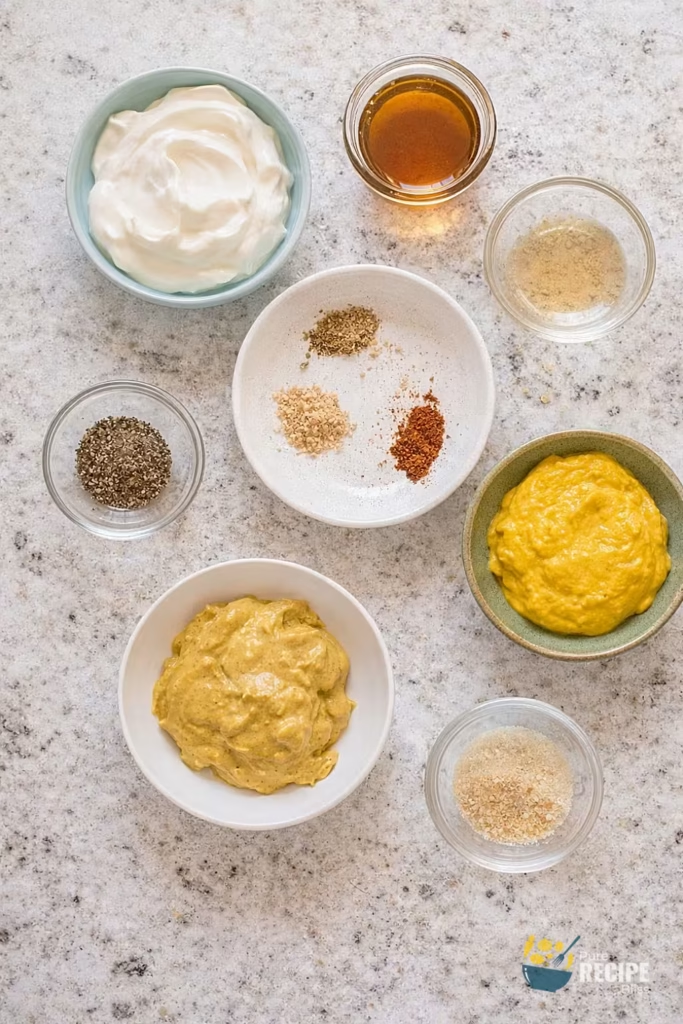
- Mayonnaise: This gives the sauce its creamy base, and I usually keep a jar in the fridge, so it’s easy to grab when I need it.
- Dijon mustard: This adds a sharper flavor, and I like how it balances the sweetness without being too strong.
- Yellow mustard: This keeps the flavor mild and familiar, and using both types together makes the taste more rounded.
- Honey: This is what brings in the sweetness, and I’ve noticed that a good quality honey makes the sauce taste smoother.
- Apple cider vinegar: This adds a little tang, and I’ve tried lemon juice before too, which works if you don’t have vinegar on hand.
- Garlic powder: This gives a subtle flavor, and I prefer powder here because fresh garlic can be too strong in a quick sauce.
- Paprika: This adds a gentle warmth, and sometimes I swap it with cayenne if I want a bit more heat.
- Salt and pepper: These finish the flavor, and I usually taste and adjust at the end because the mustard already has some saltiness.
💡 Note: For the full ingredient list with exact amounts and measurements, please check the recipe card below.
Step-By-Step Instructions to Make Honey Mustard Sauce:
Chilling the sauce really changes the flavor. The first time I skipped that step, the taste felt sharp and separate, but after resting in the fridge it blended together much better.
Step 1: Gather and combine ingredients
Start by placing all the ingredients into a medium bowl. I usually add the mayonnaise first because it helps coat the whisk and makes mixing smoother. Then I add the mustards, honey, vinegar, and seasonings one by one so nothing clumps together.
Step 2: Whisk until smooth
Use a small whisk or even a fork if that’s what you have. Keep whisking until the sauce looks glossy and even, with no streaks of mustard or honey showing. If it looks too thick, you can add a splash of lemon juice or vinegar to loosen it.
Step 3: Taste and adjust
At this point, I always taste a little on a spoon. If it feels too sweet, I add a touch more mustard. If it feels too sharp, I add a drizzle more honey. This step makes the sauce feel personal because you can adjust it exactly how you like.
Step 4: Chill before serving
Cover the bowl or transfer the sauce into a jar, then place it in the fridge. After about half an hour, the flavors settle and the texture feels creamier. I once served it right away and noticed it tasted fine, but chilling gave it that blended, restaurant‑style finish.
💡 Note: These steps are just an overview. For detailed quantities, measurements, and exact timings to make this recipe, please check the recipe card below.
Helpful Tips For The Best Results:
- Texture matters: When you whisk the sauce, keep going until it looks glossy and smooth. If you stop too early, you’ll see streaks of mustard or honey, and the flavor won’t feel balanced.
- Don’t rush the chill: I learned that serving it right away makes the taste feel sharp, but letting it rest in the fridge helps the flavors blend together.
- Swap carefully: If you use yogurt instead of mayonnaise, strain it first so the sauce doesn’t turn watery. I once skipped that step and ended up with a thin sauce that didn’t coat well.
- Balance the heat: Paprika gives a mild warmth, but if you want more kick, cayenne works. Just add a little at a time because it can quickly overpower the sweetness.
- Taste as you go: I always test a spoonful before chilling. Adjusting honey or mustard at this stage saves you from ending up with a sauce that feels too sweet or too sour.
Tasty Variations to Try:
- Extra Dijon: Use only Dijon mustard for a sharper, more tangy flavor that feels closer to restaurant style.
- Spicy kick: Add hot sauce or chili flakes if you want a version that pairs well with fried foods.
- Herb twist: Stir in chopped parsley or dill for a fresh, garden‑style flavor that works nicely with grilled chicken.
- Lighter option: Swap mayonnaise for Greek yogurt to make it lower in fat, but remember to strain the yogurt so the sauce stays creamy.
- Seasonal touch: In summer, I like adding a squeeze of lemon juice for brightness, while in colder months a little smoked paprika gives it a cozy depth.
- Sweet swap: Try maple syrup instead of honey for a deeper, woodsy sweetness that changes the flavor in a subtle but interesting way.
Serving Suggestions:
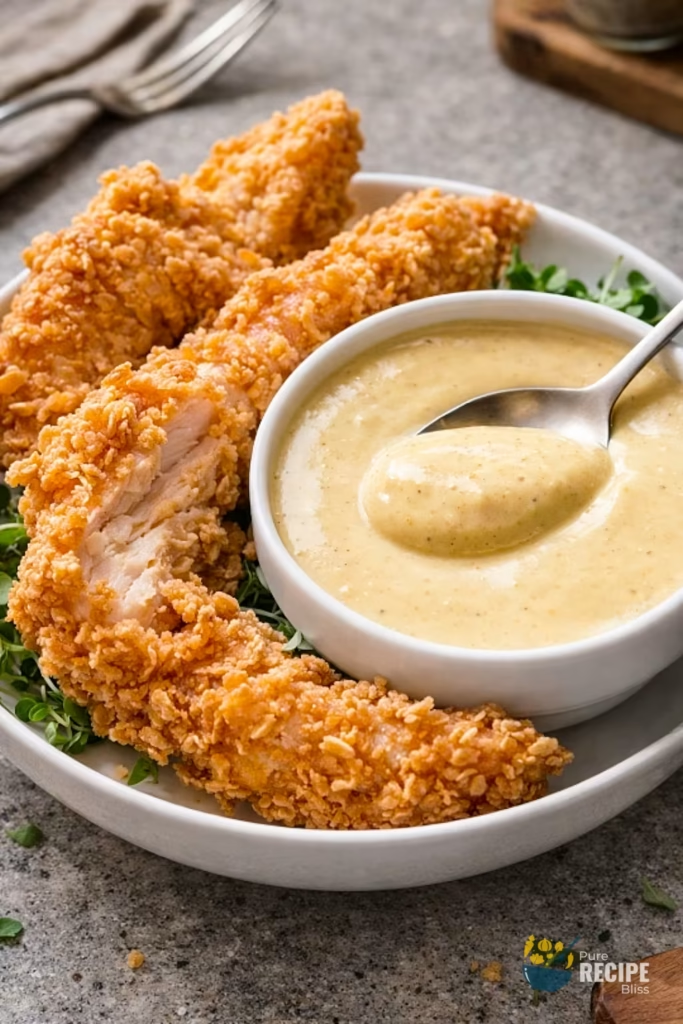
1. Serve with fries:
Honey mustard sauce pairs well with crispy fries, and I like how the sweetness balances the salty crunch.
2. Perfect for chicken:
It works nicely with baked or fried chicken, and brushing it on before cooking adds a light glaze.
3. Pairs well with veggies:
Roasted broccoli or carrots taste better with a drizzle of this sauce, and it makes vegetables less plain.
4. Great for sandwiches:
Spread a thin layer inside wraps or burgers, and it adds flavor without making the bread soggy.
5. Snack dip option:
I often keep a small bowl ready for raw veggies like cucumber or bell pepper, which makes snacking more fun.
Storage & Reheating Tips:
- Best storage method: Keep honey mustard sauce in a clean jar or airtight container, and place it in the fridge so it stays fresh.
- How long it keeps: It usually lasts about two weeks, and I’ve noticed the flavor stays good if you don’t leave it uncovered.
- Simple reheating advice: If the sauce thickens too much after chilling, just whisk in a splash of lemon juice or vinegar to loosen it again.
Frequently Asked Questions (FAQ):
-
Can I substitute ingredients?
Yes, you can swap apple cider vinegar with lemon juice, and you can use Greek yogurt instead of mayonnaise. Just remember to strain the yogurt so the sauce doesn’t get watery.
-
Can I make it ahead of time?
Yes, honey mustard sauce actually tastes better if you make it a few hours before serving. The flavors blend together more smoothly after resting in the fridge.
-
What if the texture feels off?
If the sauce looks too thick, add a splash of lemon juice or vinegar to loosen it. If it feels too thin, whisk in a little more mayonnaise until it looks creamy again.
-
Is it suitable for different diets?
It can be made lighter with yogurt instead of mayonnaise, and you can use maple syrup instead of honey if you want a different sweetener. These swaps change the flavor slightly but still work well.
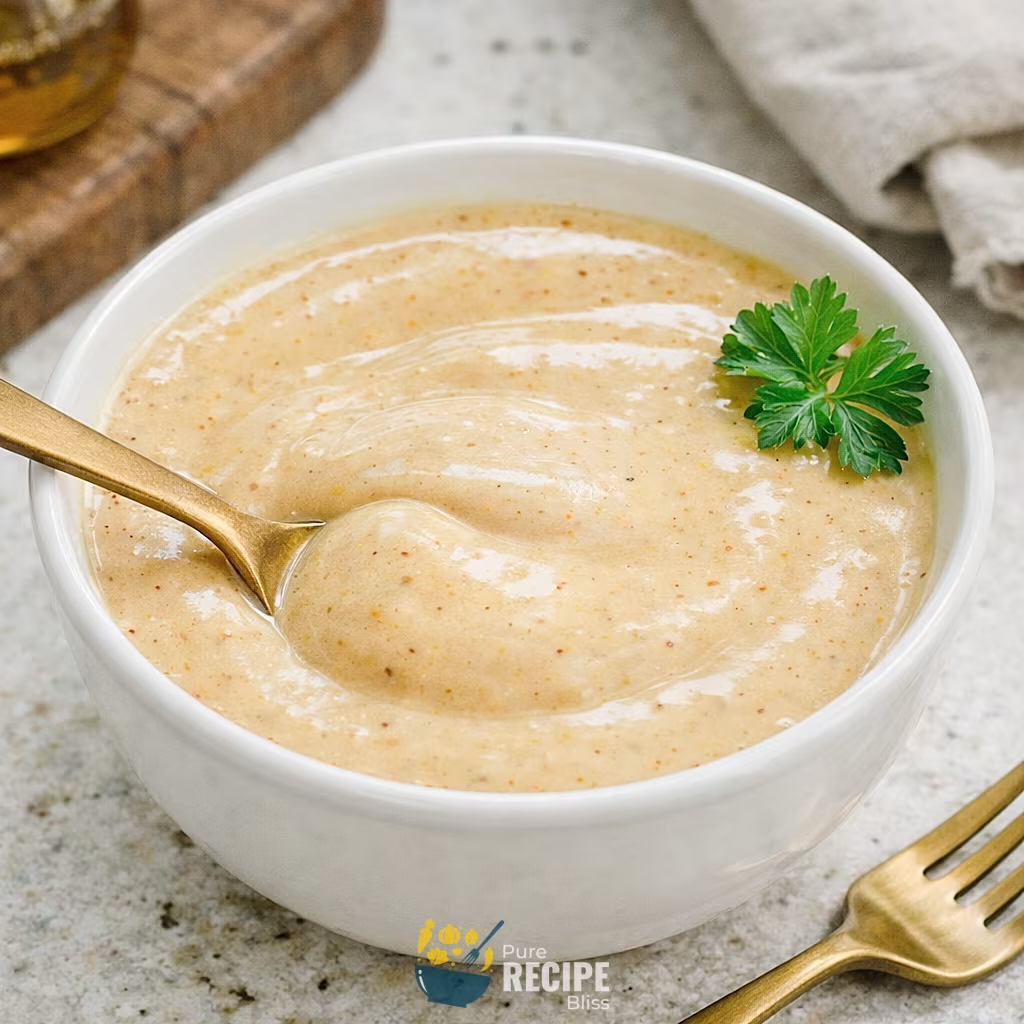
Honey Mustard Sauce
Description
Homemade honey mustard sauce is a creamy, sweet, and tangy dip that comes together quickly with everyday ingredients. It’s versatile enough to use as a dip, spread, dressing, or even a marinade, making it a handy addition to meals at any time of day.
Ingredients
Instructions
- Place ¼ cup mayonnaise into a medium mixing bowl.
- Add 1 tablespoon Dijon mustard and 1 ½ tablespoons yellow mustard, then whisk until smooth.
- Stir in 2 ½ tablespoons honey and ¾ teaspoon apple cider vinegar, mixing until the sauce looks glossy.
- Sprinkle in ¼ teaspoon garlic powder, ¼ teaspoon paprika, ⅛ teaspoon salt, and ¼ teaspoon black pepper, then whisk again until everything blends evenly.
- Taste the sauce and adjust by adding more honey for sweetness or extra mustard for tang.
- Cover the bowl or transfer to a jar, then refrigerate for about 25 minutes before serving.
Notes
- Strain Greek yogurt if using it instead of mayonnaise to avoid watery texture.
- Lemon juice can replace vinegar for a brighter flavor.
- Cayenne pepper can be swapped in for paprika if you prefer more heat.
Nutrition Facts
Servings 10
Serving Size 1 tablespoon
- Amount Per Serving
- Calories 65kcal
- % Daily Value *
- Total Fat 4.5g7%
- Saturated Fat 1g5%
- Cholesterol 3mg1%
- Sodium 100mg5%
- Potassium 15mg1%
- Total Carbohydrate 6g2%
- Sugars 5g
- Protein 1g2%
- Vitamin A 20 IU
- Vitamin C 1 mg
- Calcium 5 mg
- Iron 1 mg
- Vitamin D 2 IU
* Percent Daily Values are based on a 2,000‑calorie diet, and your daily needs may be higher or lower depending on your lifestyle. Nutrition information is shared only as a general estimate and may not always be fully accurate. If you follow a special diet or have specific health concerns, it’s best to check with a registered dietitian for personalized guidance.