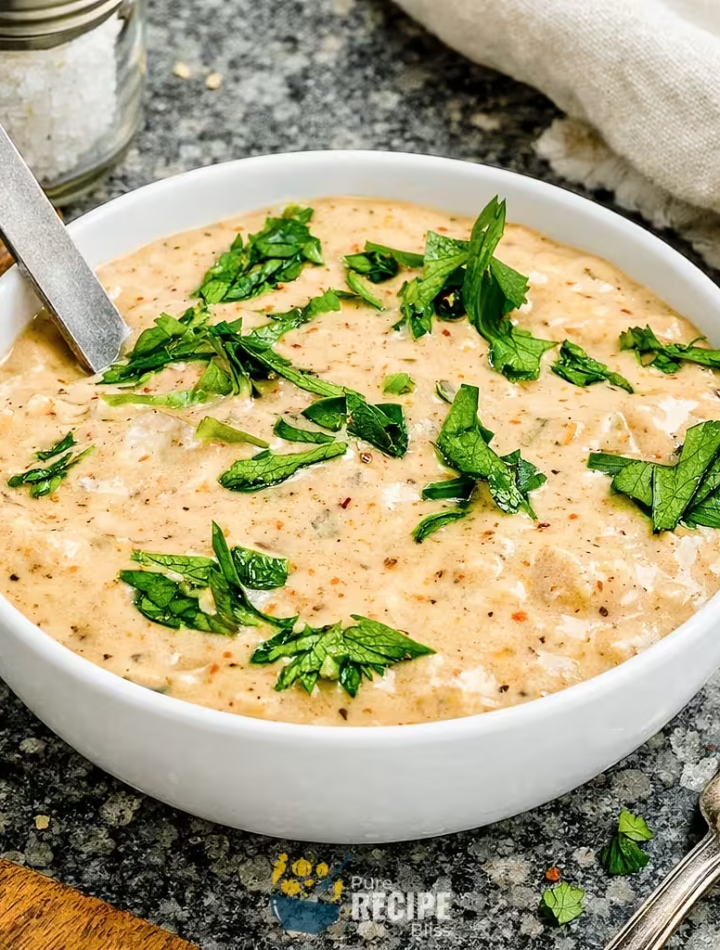
So, Louisiana Style Remoulade Sauce is something I started making at home because I wanted a quick way to add flavor to seafood without spending hours in the kitchen. It only takes about fifteen minutes to mix together, and then I just let it chill in the fridge until I’m ready to use it.
I usually bring it out for lunch or dinner, especially when I’m serving shrimp or crab cakes, but I’ve also used it as a dip when friends stop by for snacks. It’s simple to prepare, it feels a little special, and it always reminds me of the first time I tried it in New Orleans.
What is Louisiana Style Remoulade Sauce?
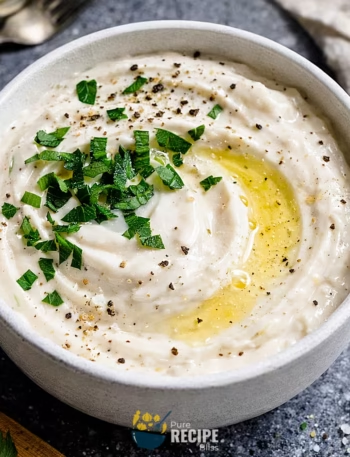
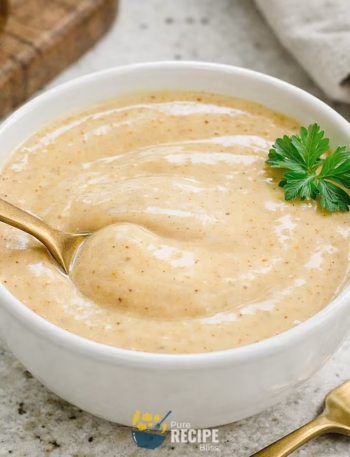
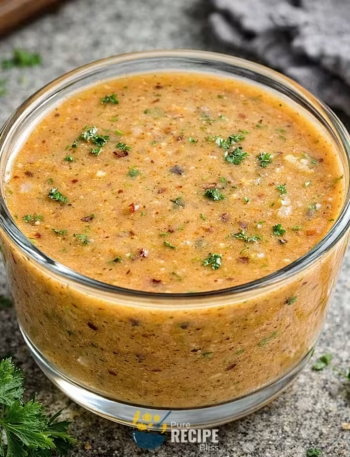
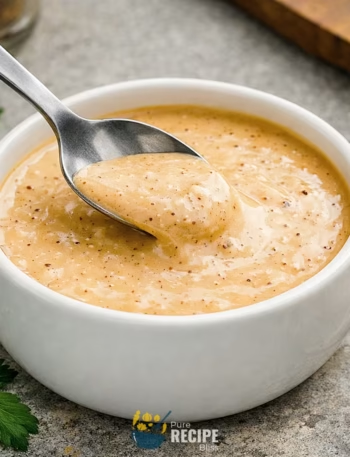
Louisiana Style Remoulade Sauce is a creamy condiment that’s built on mayonnaise but made bold with mustard, horseradish, Cajun seasoning, and hot sauce. It’s the kind of sauce that doesn’t just sit quietly on the plate — it adds spice and tang that really stand out.
It’s most often served with seafood like crab cakes, boiled shrimp, or po’ boy sandwiches, but it can also be used as a dip or spread when you want something more exciting than plain mayo. The French version of remoulade is mild and herb‑based, but the Louisiana style is stronger and spicier, which is why it’s so popular in Southern cooking.
Why You’ll Love This Recipe:
- Quick to make: Louisiana Style Remoulade Sauce only takes about fifteen minutes to put together, and then you just let it rest in the fridge so the flavors blend nicely.
- Easy to adjust: You can make it spicier with more hot sauce or keep it mild with less seasoning, so it works for different tastes at the table.
- Works with many meals: I usually use it for lunch or dinner with seafood, but I’ve also spread it on sandwiches or served it as a dip when friends come over.
- Keeps well: Once made, it stays good in the fridge for about a week or two, so you don’t have to make it fresh every single time.
- Tried and tested: I once added too much mustard and it overpowered everything, so now I go lighter on mustard and heavier on horseradish, which gives a better balance.
Ingredients Needed:
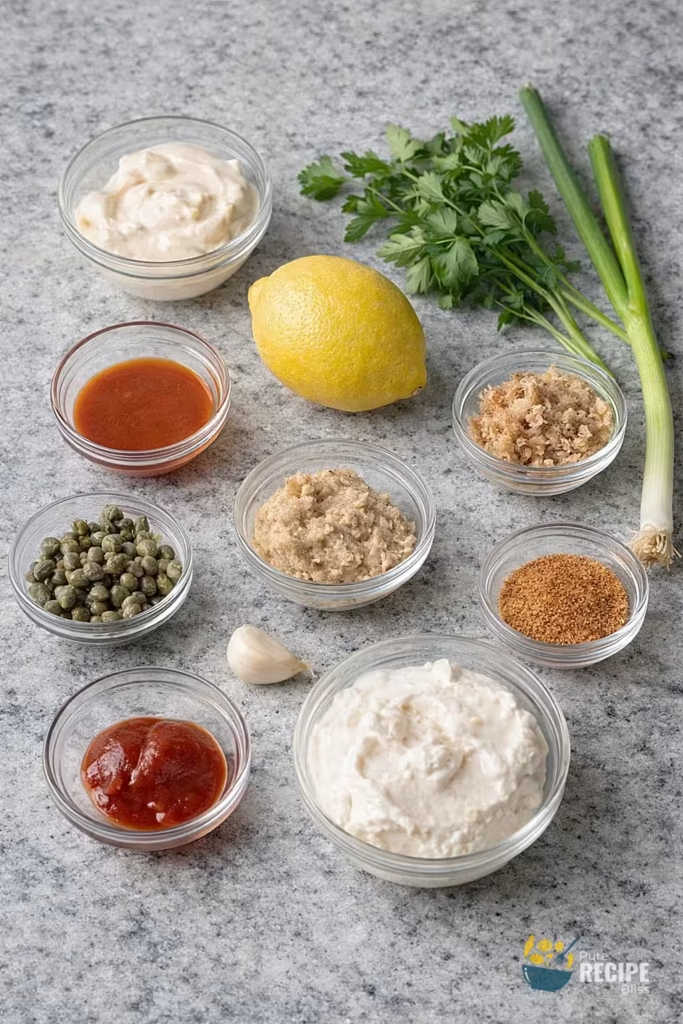
- Mayonnaise: This is the base of Louisiana Style Remoulade Sauce, and I’ve noticed that using full‑fat mayonnaise gives a richer taste and smoother texture compared to lighter versions.
- Mustard: Whole grain mustard adds little pops of flavor, but Dijon works fine too if you want something smoother. I sometimes switch depending on what I have at home.
- Ketchup: Just a small spoonful helps with color and adds a touch of sweetness, and I’ve found that natural brands taste cleaner.
- Garlic: One small clove is enough, and I always mince it finely so it blends without leaving sharp bites.
- Horseradish: Freshly grated horseradish has more punch, but prepared horseradish works if that’s easier. I keep a root in the freezer so I can grate it whenever I need.
- Lemon juice: Fresh lemon juice makes the sauce brighter, and I avoid bottled versions because they taste flat.
- Capers: Coarsely chopped capers add bursts of briny flavor, and I make sure to drain them well so the sauce doesn’t get watery.
- Parsley: Flat‑leaf parsley gives more flavor than curly parsley, and I like the fresh green color it adds.
- Green onion: Both the white and green parts go in, and they add a mild onion taste without being too strong.
- Cajun seasoning: This is what gives the sauce its Louisiana character, and I usually start with less and add more after tasting.
- Hot pepper sauce: A Louisiana hot sauce like Tabasco or Crystal works best, and I adjust the amount depending on how much heat I want that day.
💡 Note: For the full ingredient list with exact amounts and measurements, please check the recipe card below.
Step-By-Step Instructions to Make Louisiana Style Remoulade Sauce:
You know the sauce really changes after resting. At first it tastes sharp and separate, but after sitting in the fridge for a while, everything blends together and it feels smoother and more balanced.
Step 1: Start with the base
Put mayonnaise into a medium bowl because this is the main part of the sauce. Stir it gently so it looks smooth and creamy before adding anything else.
Step 2: Add flavor layers
Mix in mustard and ketchup, and keep stirring until the color looks slightly deeper and more uniform. This step gives the sauce its first layer of tang and sweetness.
Step 3: Bring in the heat
Add garlic and horseradish, and stir until they disappear into the mixture. Taste a little here if you want to check how strong the heat feels, because it’s easier to adjust now than later.
Step 4: Brighten the flavor
Squeeze in fresh lemon juice and stir again. The sauce should look glossy at this point, and the lemon helps cut through the richness.
Step 5: Add texture and color
Fold in chopped capers, parsley, and green onion. Don’t chop them too fine because little bursts of green and briny flavor make the sauce more interesting.
Step 6: Season and finish
Sprinkle Cajun seasoning and add hot pepper sauce. Stir until everything looks blended and smooth. The sauce should look creamy with specks of herbs and seasoning throughout.
Step 7: Rest before serving
Cover the bowl and place it in the fridge. Letting it sit for at least an hour makes the flavors settle together. When you take it out, the sauce should taste balanced instead of sharp.
💡 Note: These steps are just an overview. For detailed quantities, measurements, and exact timings to make this recipe, please check the recipe card below.
Helpful Tips For The Best Results:
- Texture check: When mixing Louisiana Style Remoulade Sauce, make sure the sauce looks creamy and smooth but not runny. If it feels too thick, add a small splash of lemon juice instead of water so the flavor stays bright.
- Heat control: Start with less Cajun seasoning and hot sauce, then taste before adding more. I once added too much at the beginning and it completely covered the seafood flavor.
- Ingredient swap: If you don’t have fresh horseradish, prepared horseradish works fine, but I’ve noticed fresh grated gives a sharper taste. Keeping a root in the freezer makes it easier to grate when needed.
- Balance flavors: Don’t chop the parsley, capers, and green onion too finely. Leaving them a little coarse gives small bursts of flavor and keeps the sauce from tasting flat.
Tasty Variations to Try:
- Greek yogurt mix: Swap half the mayonnaise with Greek yogurt for a lighter and tangier version. I use this when serving grilled fish instead of fried seafood.
- Cayenne boost: Add a pinch of cayenne along with hot sauce if you want layered heat. It makes the sauce feel warmer without being overwhelming.
- Fresh dill option: Replace parsley with dill when serving salmon or trout. Dill gives a softer, herby flavor that works well with those fish.
- Creole seasoning: Use Creole seasoning instead of Cajun if you want less spice but still want the Louisiana flavor. I do this when cooking for guests who prefer mild sauces.
- Seasonal twist: In summer, I sometimes add a little extra lemon zest for brightness, while in colder months I lean on more mustard for a deeper flavor.
Serving Suggestions:
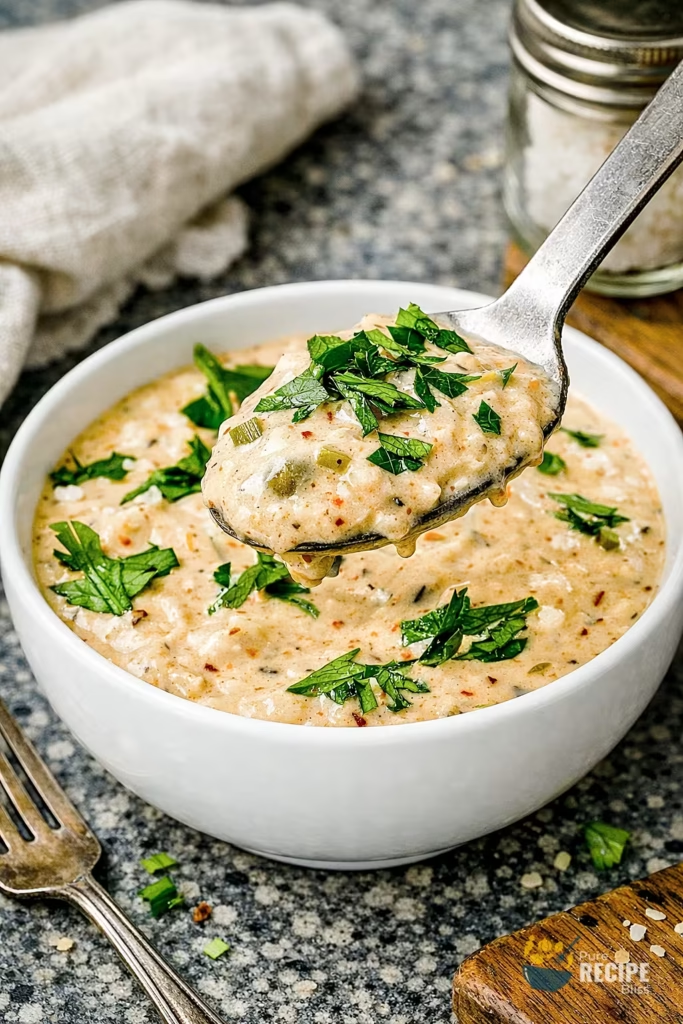
1. Seafood pairing:
Serve Louisiana Style Remoulade Sauce with crab cakes or boiled shrimp because the creamy and spicy flavor balances the seafood really well.
2. Sandwich spread:
Perfect for po’ boy sandwiches or even a simple grilled chicken sandwich when you want something more flavorful than plain mayo.
3. Snack dip:
Pairs well with fried fish bites or even roasted vegetables, and I sometimes set it out with crackers when friends stop by.
4. Meal upgrade:
Use it as a side sauce at dinner with grilled meats or roasted potatoes, since it adds a bold kick without much effort.
Storage & Reheating Tips:
- How long it keeps: Louisiana Style Remoulade Sauce usually stays good for about one to two weeks in the fridge if you use store‑bought mayonnaise. With homemade mayonnaise, I try to finish it within a week.
- Best storage method: Keep the sauce in a sealed jar or airtight container so it doesn’t pick up other fridge smells. I also give it a quick stir before serving because the herbs and capers can settle.
- Simple reheating advice: There’s no real reheating needed since it’s a cold sauce, but if it feels too firm straight from the fridge, I let it sit at room temperature for a few minutes before using.
Frequently Asked Questions (FAQ):
-
Can I substitute ingredients?
Yes, you can. Whole grain mustard can be swapped with Dijon, and parsley can be replaced with dill if you’re serving salmon or trout. Both changes keep the sauce flavorful without losing balance.
-
Can I make it ahead of time?
Definitely. Louisiana Style Remoulade Sauce actually tastes better when made a few hours earlier or even the night before, because the flavors blend together more smoothly after resting in the fridge.
-
What if the texture feels too thick?
If the sauce looks heavy after chilling, just add a small splash of lemon juice and stir it again. This keeps the flavor bright and prevents it from tasting watered down.
-
Is there a lighter option?
Yes, you can replace part of the mayonnaise with Greek yogurt. It changes the flavor slightly, but it still works well with seafood and makes the sauce feel lighter.
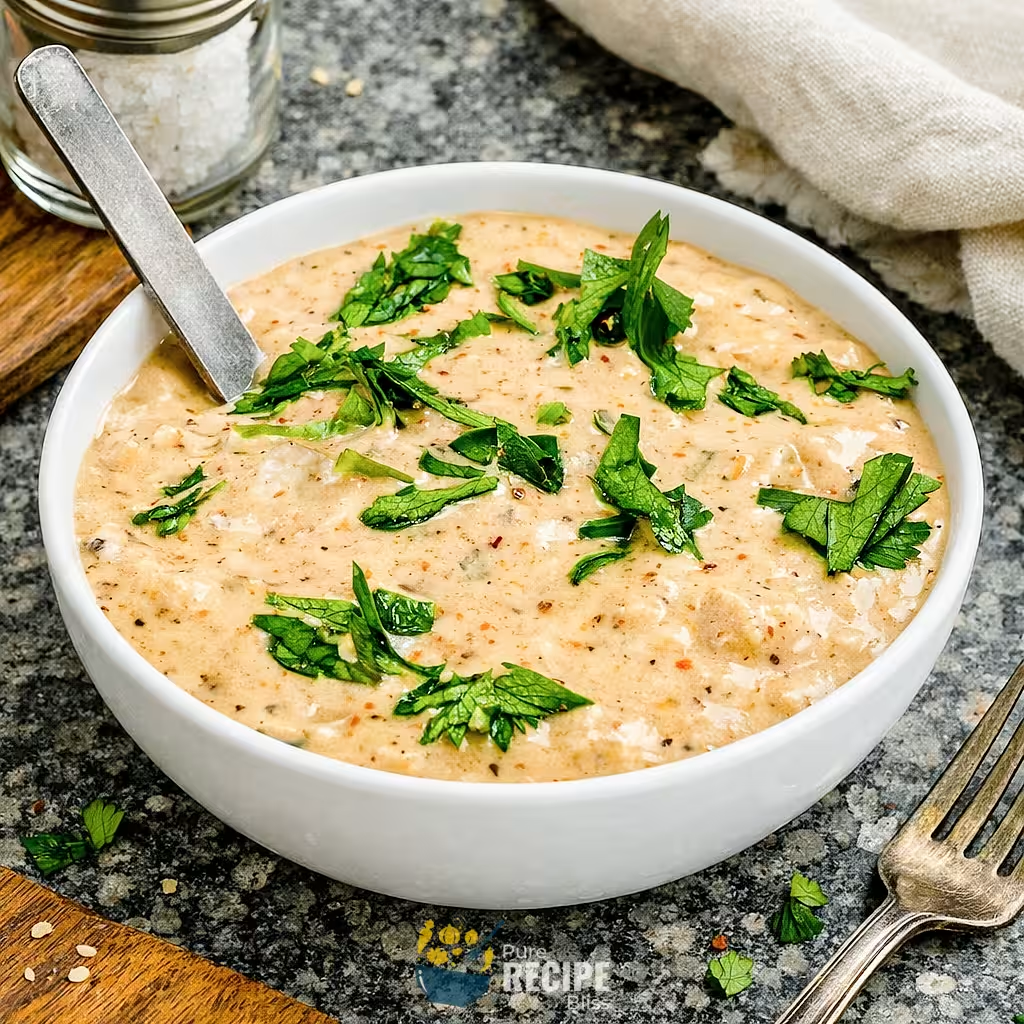
Louisiana Style Remoulade Sauce
Description
Louisiana Style Remoulade Sauce is a creamy, spicy condiment that adds bold flavor to seafood, sandwiches, and snacks. It comes together quickly with everyday ingredients, and resting in the fridge makes the flavors blend beautifully.
Ingredients
Instructions
- Add 1 cup mayonnaise to a medium bowl and stir until smooth.
- Mix in 2 tbsp Dijon mustard and 1 ½ tbsp ketchup until the color looks uniform.
- Stir in 1 minced garlic clove and 2 tbsp horseradish, tasting to check the heat level.
- Pour in 2 tbsp fresh lemon juice and mix until the sauce looks glossy.
- Fold in 2 tbsp chopped capers, 3 tbsp parsley, and 2 sliced green onions, leaving them slightly coarse for texture.
- Sprinkle 1 tsp Cajun seasoning and add 1 ½ tsp hot sauce, stirring until everything blends evenly.
- Cover the bowl and refrigerate for at least 1 hour before serving so the flavors settle together.
Notes
- If the sauce feels too thick after chilling, add a splash of lemon juice and stir again.
- Fresh horseradish gives a sharper flavor, but prepared horseradish works fine if that’s easier.
- Don’t skip the resting time as it makes a big difference in flavor balance.
Nutrition Facts
Servings 8
Serving Size 2 tbsp
- Amount Per Serving
- Calories 185kcal
- % Daily Value *
- Total Fat 18g28%
- Saturated Fat 3g15%
- Cholesterol 12mg4%
- Sodium 260mg11%
- Total Carbohydrate 3g1%
- Dietary Fiber 0.5g2%
- Sugars 1g
- Protein 1g2%
- Vitamin A 120 IU
- Vitamin C 2 mg
- Calcium 12 mg
- Iron 2 mg
- Vitamin D 15 IU
* Percent Daily Values are based on a 2,000‑calorie diet, and your daily needs may be higher or lower depending on your lifestyle. Nutrition information is shared only as a general estimate and may not always be fully accurate. If you follow a special diet or have specific health concerns, it’s best to check with a registered dietitian for personalized guidance.