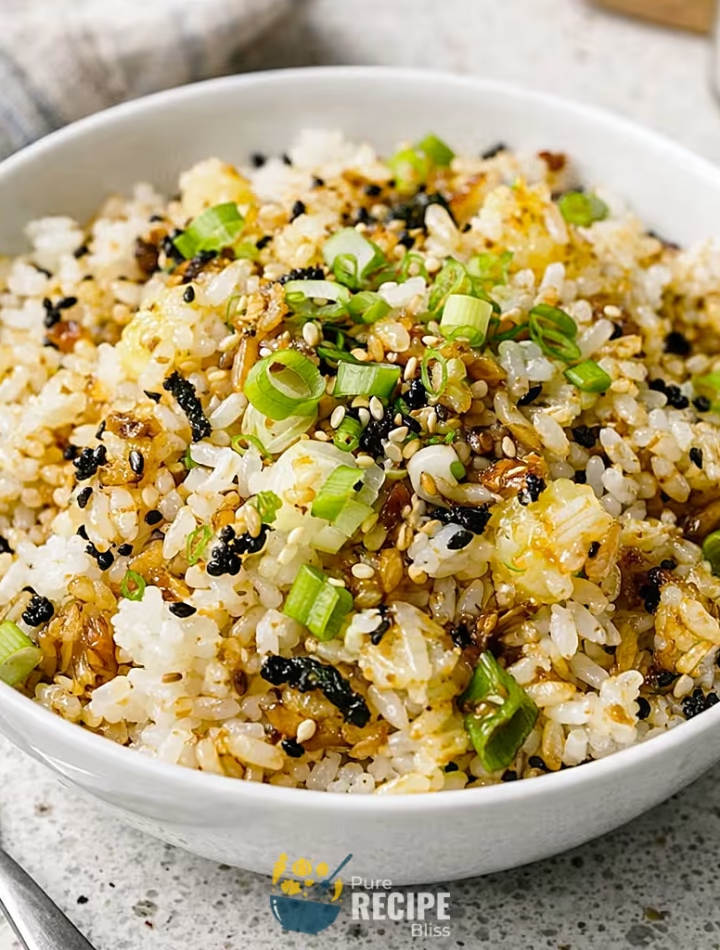
I’ve been meaning to share Tamago Kake Gohan with you because it’s one of those dishes that I don’t really have to think twice about making. It’s quick, it’s filling, and it always feels comforting when I sit down with a bowl.
For me, it usually shows up at breakfast since it takes almost no effort, but I’ve also made it for lunch when I wanted something light and didn’t want to cook a full meal. That’s why I keep it in my regular rotation, and it’s worth talking about before we get into what Tamago Kake Gohan actually is.
What is Tamago Kake Gohan?
Tamago Kake Gohan is basically a Japanese dish made with hot rice and a raw egg mixed right in. The heat from the rice slightly thickens the egg as you stir, and the texture turns smooth and almost foamy. It’s one of those meals that feels very traditional but also very practical at the same time.
Most people eat it as a quick breakfast, but it can also show up as a light meal whenever you want something filling without much effort. It’s usually served with a splash of soy sauce or other toppings like furikake, green onions, or even natto if you want something stronger. In Japan, it’s been around for generations, and it’s still a common way to enjoy rice at home.
Why You’ll Love This Recipe:
- Quick to make: Tamago Kake Gohan doesn’t take more than a few minutes, and that’s why I reach for it when I don’t want to spend time cooking first thing in the morning.
- Minimal ingredients: You really only need rice and an egg, and then you can decide if you want to add soy sauce or other toppings. I’ve found that keeping it simple works best most of the time.
- Easy to adjust: Sometimes I add furikake or green onions, and other times I just stick with soy sauce. It’s flexible enough that you can change it depending on your mood.
- Comfort factor: Even though it’s basic, the warm rice and egg mixture feels filling and cozy. I’ve noticed it’s the kind of meal that makes me slow down and enjoy breakfast.
- Tested at home: One thing I learned is that mixing the egg quickly makes the texture smoother. If I stir too slowly, the rice doesn’t get that light, frothy feel, so now I always mix fast.
Ingredients Needed:
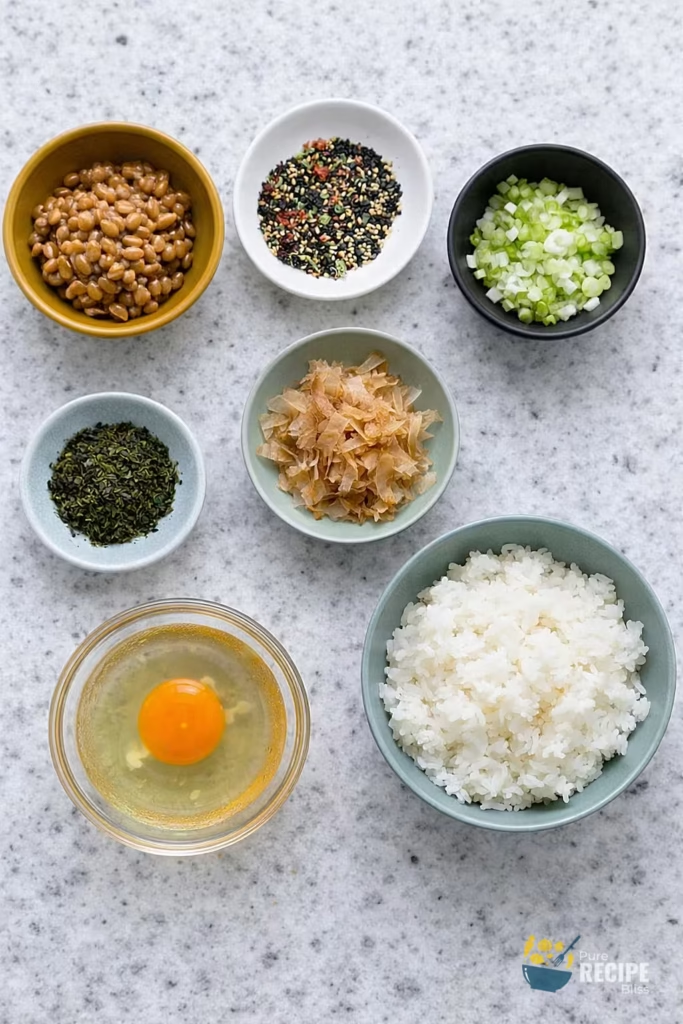
- Rice: You’ll want hot, freshly cooked Japanese short‑grain rice because the heat is what helps the egg mix smoothly. I’ve tried using leftover rice from the fridge, and while it works if reheated properly, the texture is never quite the same.
- Eggs: Pasteurized eggs are the safest choice here since they’re eaten raw. I usually check that the shells are clean and unbroken before using them.
- Soy sauce or tsuyu: A small splash adds flavor, but I’ve learned not to use both together because it can get too salty.
- Optional toppings: Things like furikake, green onions, or bonito flakes can change the taste and texture. I sometimes add natto, but only when I’m in the mood for something stronger.
Personal note: One mistake I made once was adding the soy sauce before mixing the egg into the rice, and it didn’t blend as well. Now I always mix the egg first, then add the seasoning.
💡 Note: For the full ingredient list with exact amounts and measurements, please check the recipe card below.
Step-By-Step Instructions to Make Tamago Kake Gohan:
The rice really needs to be hot enough to slightly warm the egg. If the rice is just lukewarm, the egg stays runny and doesn’t get that smooth, foamy texture.
Step 1: Prepare the rice
Start with freshly cooked Japanese short‑grain rice. Place it in a bowl while it’s still steaming because the heat is what helps the egg blend in later. If you’re using rice from the fridge, make sure to reheat it until it feels hot to the touch, otherwise the egg won’t mix properly.
Step 2: Add the egg
Crack a pasteurized egg directly into the center of the rice. I usually make a small dent in the rice with a spoon so the egg sits neatly in the middle. This makes mixing easier and keeps the yolk from sliding off to the side.
Step 3: Mix quickly
Use chopsticks or a spoon to stir the egg into the rice right away. The trick is to mix fast enough so the egg coats every grain and turns slightly frothy. If you stir too slowly, the texture stays uneven and doesn’t get that light, creamy feel.
Step 4: Add toppings
Once the egg is mixed in, sprinkle on soy sauce or tsuyu for flavor. I sometimes add furikake or green onions for crunch. If you want something stronger, natto or bonito flakes work too, but I’ve noticed they taste better when mixed in after the egg is already blended.
Step 5: Serve immediately
Eat the dish right away while it’s warm. I’ve tried saving leftovers before, but the texture changes quickly and doesn’t taste the same. That’s why I always make just enough for one sitting.
💡 Note: These steps are just an overview. For detailed quantities, measurements, and exact timings to make this recipe, please check the recipe card below.
Helpful Tips For The Best Results:
- Rice heat matters: Make sure the rice is hot enough when you add the egg. If it’s just warm, the egg won’t blend smoothly and the texture stays runny.
- Mixing speed: Stir quickly once the egg is in. I learned that slow mixing leaves clumps, while fast mixing gives that light, frothy consistency.
- Soy sauce timing: Add soy sauce after the egg is mixed in. I once poured it too early, and the flavor didn’t spread evenly.
- Egg choice: Pasteurized eggs are safest. I’ve noticed they also taste cleaner compared to regular eggs.
- Ingredient swaps: If you don’t have soy sauce, a little tsuyu works well. I’ve also tried sesame oil for a different flavor, but only a few drops so it doesn’t overpower.
Tasty Variations to Try:
- Furikake mix: Sprinkle homemade or store‑bought furikake for extra crunch and flavor.
- Green onion crunch: Add chopped scallions for freshness. I like this when I want something lighter.
- Bonito flakes: A handful of katsuobushi gives a smoky, savory kick.
- Natto option: If you enjoy stronger flavors, natto works, but mix it in quickly so it blends better.
- Seasonal twist: In colder months, I sometimes add a little miso paste for warmth. In summer, I skip heavy toppings and just use soy sauce.
- Dietary swap: If you don’t eat eggs, you can try silken tofu mashed into the rice. It won’t taste the same, but it gives a creamy texture that works as a substitute.
Serving Suggestions:
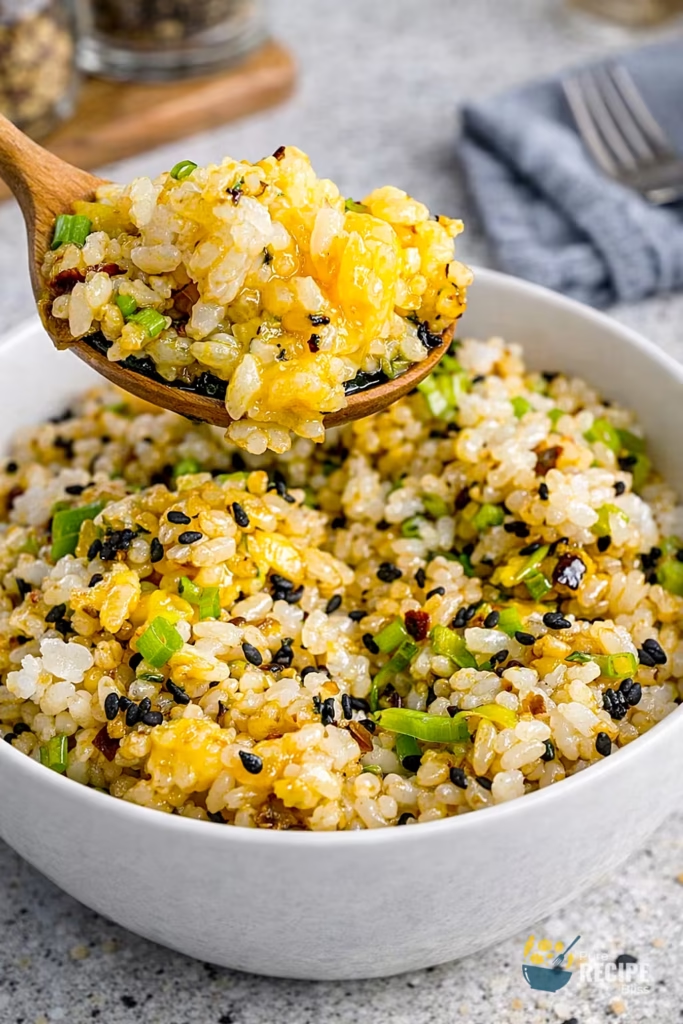
1. Breakfast set:
Serve Tamago Kake Gohan with miso soup and grilled salmon. It makes the meal feel more complete and balanced.
2. Light lunch:
Perfect for pairing with chilled tofu or a small salad when you want something filling but not heavy.
3. Snack option:
Pairs well with pickled vegetables or a side of seaweed, especially when you just want a quick bite.
4. Dinner add‑on:
Works as a simple rice bowl alongside other Japanese dishes like tempura or stir‑fried vegetables.
Personal note: I sometimes enjoy it with a cup of green tea because the warm tea balances the richness of the egg and rice.
Storage & Reheating Tips:
- Leftovers don’t keep: Once Tamago Kake Gohan is mixed, it should be eaten right away. I’ve tried saving it before, but the texture changes quickly and doesn’t taste good later.
- Rice storage: If you want to plan ahead, store plain cooked rice in a covered container in the fridge. Reheat it until hot before adding the egg.
- Reheating advice: Microwave rice until steaming, then add a fresh egg. I learned that reheating rice too lightly leaves it lukewarm, and the egg doesn’t blend properly.
Personal note: I never store the egg‑mixed version, but keeping rice ready makes mornings easier.
Frequently Asked Questions (FAQ):
Can I use a different grain of rice?
Yes, you can, but short‑grain rice works best because it holds together nicely. I tried long‑grain once, and it didn’t give the same creamy texture.
Can I prepare it ahead of time?
Not really. Once the egg is mixed in, it should be eaten right away. What I do instead is keep rice ready in the fridge and just reheat it before adding a fresh egg.
Why does the texture sometimes feel too runny?
That usually happens when the rice isn’t hot enough. I learned to always make sure the rice is steaming before cracking the egg.
Is it safe to eat raw egg?
Using pasteurized eggs is the safest option. I always check the shell carefully and only use eggs that look clean and fresh.
Can I make it without soy sauce?
Yes, you can. I’ve swapped in tsuyu or even a tiny bit of sesame oil, and both worked fine, though the flavor changes slightly.
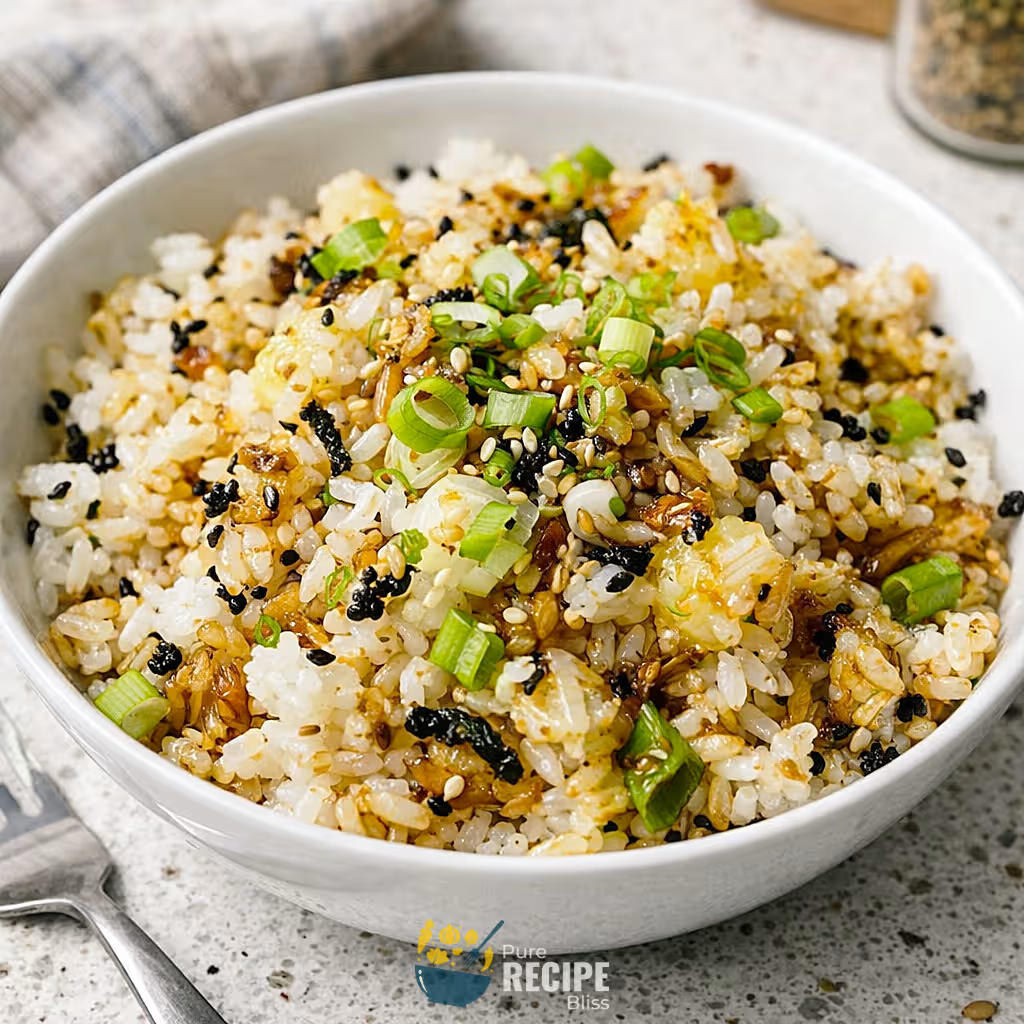
Tamago Kake Gohan
Description
Tamago Kake Gohan is a traditional Japanese egg‑over‑rice dish that I make when I want something quick and comforting. It’s warm, filling, and easy to adjust with toppings like soy sauce, furikake, or green onions.
Ingredients
Instructions
- Place 1 ¼ cups hot rice into each serving bowl and make a small dent in the center.
- Crack 1 pasteurized egg into the dent of each bowl.
- Stir quickly with chopsticks until the rice and egg combine into a smooth, slightly frothy texture.
- Add ¾ teaspoon soy sauce or tsuyu to each bowl and mix gently so the flavor spreads evenly.
- Sprinkle 1 tablespoon chopped green onions and ½ tablespoon furikake over each bowl.
- If using bonito flakes, add about ½ tablespoon per bowl.
- Serve immediately while warm.
Notes
- Mix the egg quickly for the best creamy texture.
- Always reheat leftover rice until steaming before adding a fresh egg.
- Do not store the egg‑mixed version; it should be eaten right away.
Nutrition Facts
Servings 2
Serving Size 1 bowl ~1 ¼ cups rice + 1 egg
- Amount Per Serving
- Calories 320kcal
- % Daily Value *
- Total Fat 5.5g9%
- Saturated Fat 1.8g9%
- Cholesterol 185mg62%
- Sodium 72mg3%
- Total Carbohydrate 54g18%
- Dietary Fiber 0.5g2%
- Sugars 0.3g
- Protein 11g22%
- Vitamin A 310 IU
- Vitamin C 0.5 mg
- Calcium 28 mg
- Iron 1.2 mg
- Vitamin D 45 IU
* Percent Daily Values are based on a 2,000‑calorie diet, and your daily needs may be higher or lower depending on your lifestyle. Nutrition information is shared only as a general estimate and may not always be fully accurate. If you follow a special diet or have specific health concerns, it’s best to check with a registered dietitian for personalized guidance.