
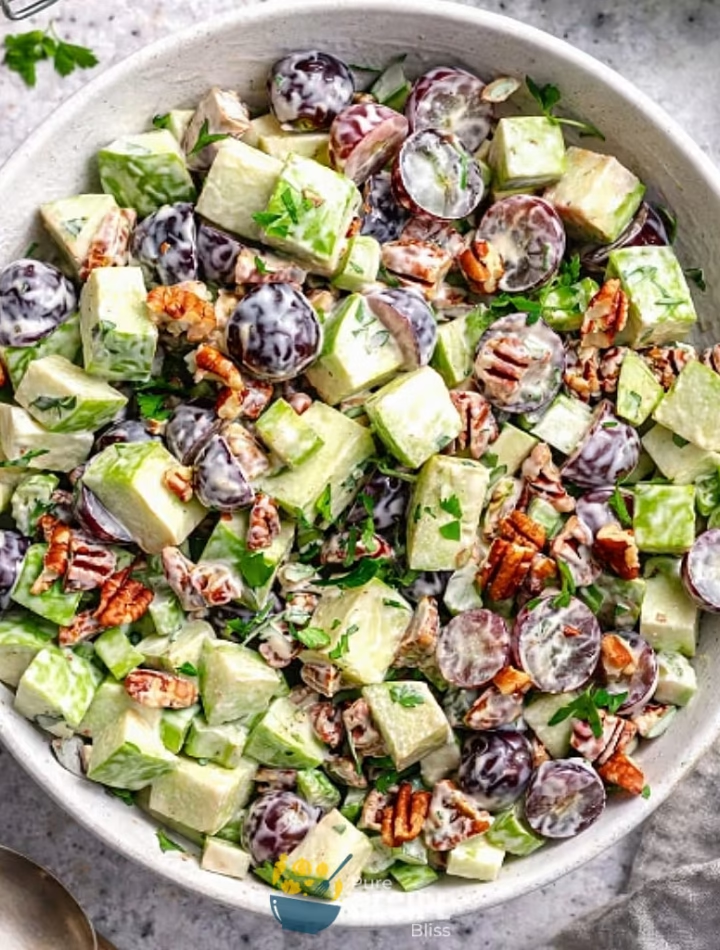
When I first tried making Waldorf Salad at home, I realized it’s one of those recipes that doesn’t ask for much effort but still feels like you’ve put together something special. You don’t need a long list of steps, and once the apples and grapes are ready, the rest comes together in just a short while.
I usually think of it as a nice option when you want something light to go with lunch or dinner, and it can even work as a quick snack if you’re craving something crunchy and creamy at the same time. It’s the kind of dish that feels easy but still worth serving, and that’s why I keep coming back to it.
What is Waldorf Salad?
Waldorf Salad is a mix of fresh apples, crisp celery, sweet grapes, and crunchy walnuts all tossed together in a creamy dressing. It’s one of those dishes that has been around for a very long time, and people still enjoy it because the combination of fruit and nuts with a tangy dressing feels both refreshing and filling at the same time.
Most of the time, it’s served as a side dish at lunch or dinner, but you can also put it out at gatherings when you want something light that still looks nice on the table. It’s a salad that carries a bit of history, yet it fits easily into everyday meals without much effort.
Why You’ll Love This Recipe:
- Quick to prepare: Waldorf Salad doesn’t take long at all, and once the apples are ready, the rest of the ingredients come together in just a few minutes, which makes it easy to fit into your day.
- Crunchy and refreshing: The mix of apples, celery, grapes, and walnuts gives you that nice balance of crisp and soft textures, so every bite feels fresh and satisfying.
- Flexible for meals: You can serve it at lunch as a side, bring it out at dinner with something heavier, or even set it out as a light snack when you want something that feels a little different.
- Easy to adjust: I’ve tried swapping yogurt for sour cream, and both worked fine, so you can use what you already have. You can also add more walnuts if you like extra crunch, which I usually do.
- Looks nice on the table: Because of the mix of colors and textures, it always looks appealing, and that makes it a good choice when you want something simple but still presentable for guests.
Ingredients Needed:
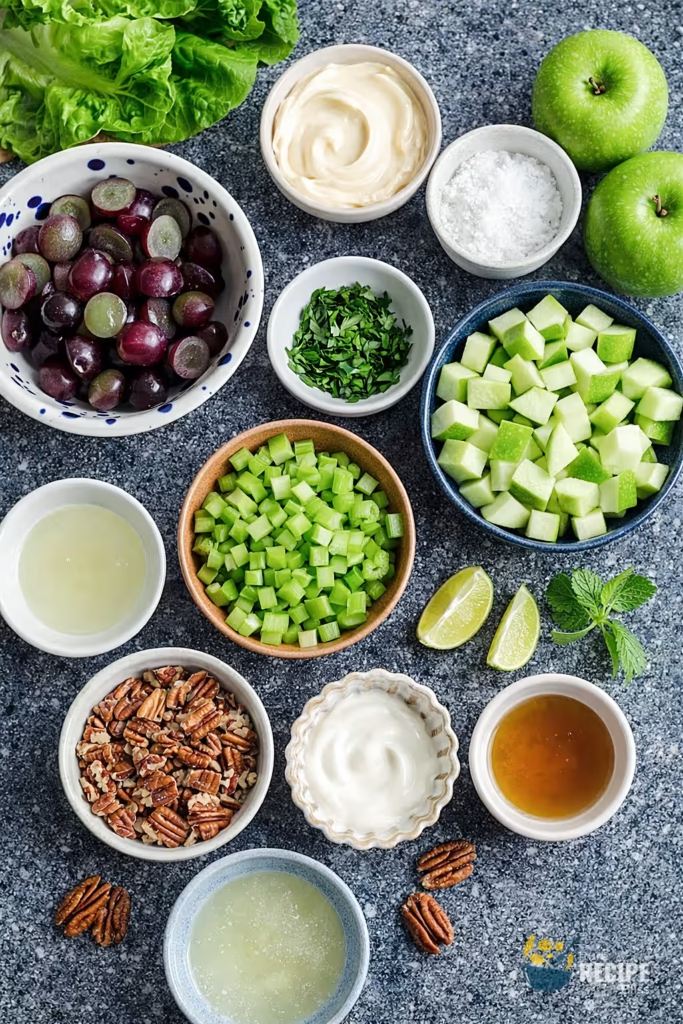
- Apples: You’ll want a couple of crisp apples, and I’ve found that cutting them into small chunks instead of thin slices helps them stay crunchy longer.
- Celery: Use fresh celery stalks because they add that nice crunch, and I usually keep a few leaves aside for garnish since they look good on top.
- Grapes: Red seedless grapes are common, but I sometimes mix red and green grapes together because the color contrast makes the salad look more lively.
- Walnuts: Toasted walnuts give the best flavor, and I like to add a little extra because the crunch makes the salad more satisfying.
- Yogurt or sour cream: Either one works fine, and I usually go with whatever I already have in the fridge. Yogurt makes it a bit lighter, while sour cream feels richer.
- Mayonnaise: This adds creaminess to the dressing, and mixing it with yogurt or sour cream keeps the flavor balanced.
- Chives: A small handful of fresh chives adds a mild onion-like taste, and it also gives a bit of color to the dressing.
- Pickling brine: A spoonful of the brine from the apples helps the dressing taste brighter, and it ties the flavors together nicely.
- Seasoning: Just a little salt is enough, and you don’t need much more because the other ingredients already bring plenty of flavor.
💡 Note: For the full ingredient list with exact amounts and measurements, please check the recipe card below.
Step-By-Step Instructions to Make Waldorf Salad:
You know if you cut the apples too thin, they lose their crunch quickly, so keeping them in slightly bigger pieces makes the salad taste fresher for longer.
Step 1: Pickle the apples
Start by mixing vinegar, water, sugar, and salt in a bowl until everything looks dissolved. Then add the apple pieces and stir them around so they’re coated. Let them sit in the fridge so they get that tangy flavor and stay crisp.
Step 2: Prepare the dressing
In another bowl, combine yogurt or sour cream with mayonnaise. Add a spoonful of the apple brine and mix until the dressing looks smooth and creamy. Toss in the chives and a pinch of salt so the flavor feels balanced.
Step 3: Add the fresh ingredients
Now bring in the grapes, celery, walnuts, and the drained pickled apples. Stir everything gently so the dressing coats the fruit and nuts evenly. You’ll notice the salad looks colorful and the texture feels crunchy.
Step 4: Garnish and serve
Finish by sprinkling celery leaves on top. The salad should look bright and fresh, and when you taste it, the crunch of the walnuts and apples will stand out against the creamy dressing. Serve it chilled for the best texture.
💡 Note: These steps are just an overview. For detailed quantities, measurements, and exact timings to make this recipe, please check the recipe card below.
Helpful Tips For The Best Results:
- Keep apples chunky: If you cut the apples too thin, they soften quickly, so keeping them in slightly larger pieces helps the salad stay crisp.
- Toast the walnuts: Toasting the walnuts before adding them makes a big difference because it brings out their flavor and keeps them crunchy.
- Balance the dressing: Mixing yogurt with mayonnaise gives a lighter taste, but if you prefer a richer flavor, sour cream works fine too. Just don’t overdo the dressing or it can feel heavy.
- Use cold ingredients: I’ve noticed the salad tastes fresher when everything is chilled before mixing, so I usually keep the grapes and celery in the fridge until I’m ready.
- Don’t skip the brine: A spoonful of the apple brine in the dressing adds brightness, and without it the salad can feel too sweet.
Tasty Variations to Try:
- Fruit swap: Try using pears instead of apples if you want a softer texture and a slightly different sweetness.
- Nut change: Almonds or pecans can replace walnuts, and they give a different crunch that still works well with the dressing.
- Dairy-free option: If you don’t want to use yogurt or sour cream, you can go with a plant-based yogurt, and it still blends smoothly with mayonnaise.
- Seasonal twist: In summer, adding fresh berries like blueberries makes the salad more colorful, while in fall, dried cranberries give a nice tart flavor.
- Savory touch: A small handful of cooked chicken pieces can turn the salad into a light meal instead of just a side.
- Herb variation: If you don’t have chives, fresh parsley or dill can be used, and they give a slightly different but still fresh taste.
Serving Suggestions:

1. Serve with main dishes:
Waldorf Salad pairs well with roasted chicken or grilled fish because the freshness balances heavier flavors.
2. Perfect for gatherings:
It works nicely on a holiday table or at a casual lunch with friends since it looks colorful and inviting.
3. Pairs well with bread:
I like serving it alongside crusty bread or rolls, since the creamy dressing and crunchy texture go well with something soft on the side.
4. Light snack option:
You can also portion it into small bowls or lettuce cups when you want a quick bite that feels refreshing.
Storage & Reheating Tips:
- Best storage method: Keep Waldorf Salad in a covered container in the fridge so the apples and celery stay crisp.
- How long it keeps: It usually tastes best within a day, but I’ve found it can still be fine the next day if you stir it before serving.
- Simple reheating advice: Since it’s a cold salad, you don’t actually reheat it. If it feels watery after sitting, just drain a little liquid and mix again to refresh the texture.
Frequently Asked Questions (FAQ):
-
Can I swap the apples?
Yes, pears work fine if you want a softer bite, but just keep in mind they don’t stay crisp as long as apples.
-
Can I make it ahead?
You can pickle the apples in advance, but I usually mix the salad close to serving time so it doesn’t get watery.
-
Why does it turn soggy?
If the dressing sits too long on the fruit, it can release liquid. Stirring before serving helps bring it back together.
-
Is it dairy-free friendly?
You can use plant-based yogurt instead of regular yogurt or sour cream, and the salad still tastes creamy.
-
Can I add protein?
Yes, small pieces of cooked chicken or turkey make it more filling, and I’ve tried this when serving it as a light meal.
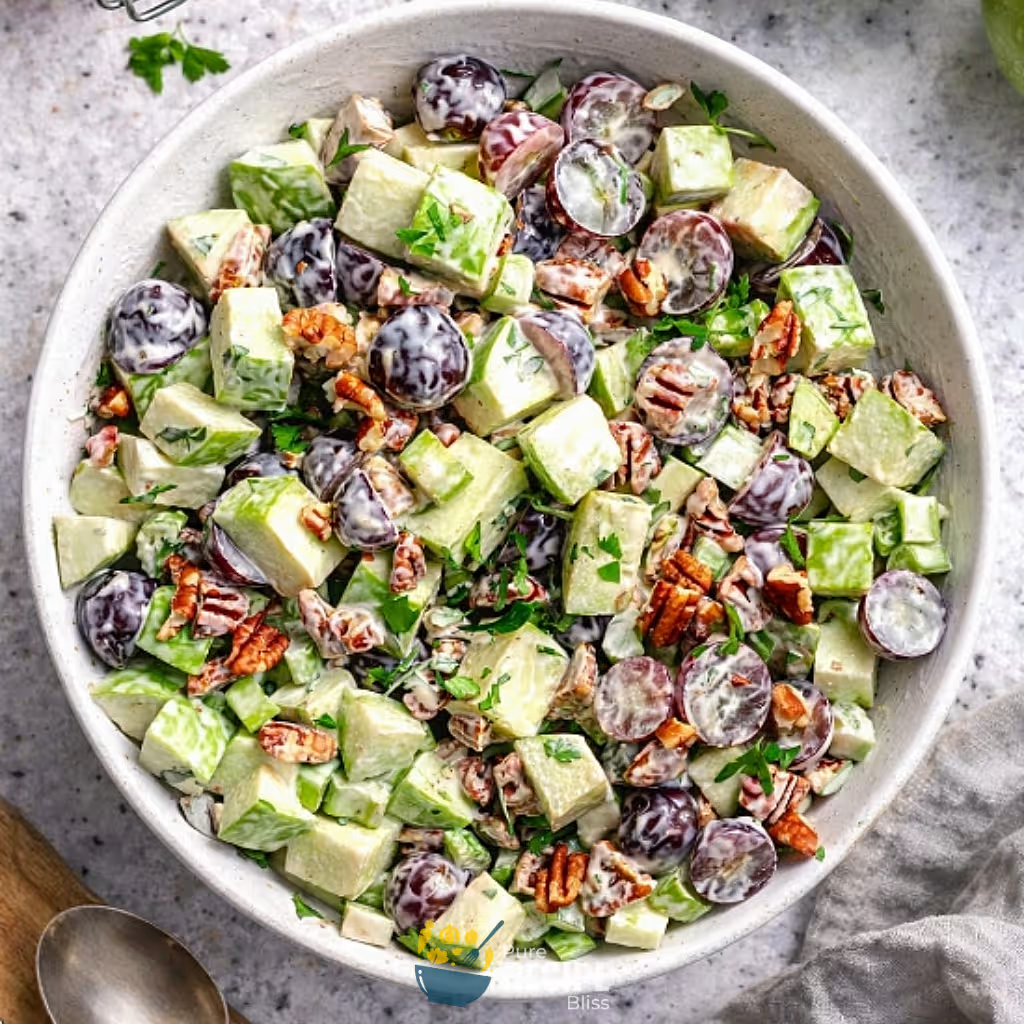
Waldorf Salad
Description
Waldorf Salad is a classic mix of apples, celery, grapes, and walnuts tossed in a creamy dressing. It’s crunchy, refreshing, and easy to prepare, making it a reliable side dish or light snack for everyday meals or gatherings.
Ingredients
Instructions
- In a medium bowl, whisk together ½ cup cider vinegar, ½ cup water, 1 tbsp sugar, and 1 tsp kosher salt until dissolved. Add 2 medium apples (about 9 oz / 260 g), cut into chunks, stir well, and refrigerate for about 45 minutes so they stay crisp and tangy.
- In a large mixing bowl, combine 3 tbsp mayonnaise with 4 tbsp plain Greek yogurt or sour cream until smooth. Stir in 1 tbsp chopped fresh chives and about 1 tbsp of the apple brine for brightness.
- Add ½ cup red seedless grapes (halved), ½ cup green seedless grapes (halved), ¾ cup toasted walnuts (3 oz / 85 g), and 1 cup chopped celery (about 2 ribs). Drain the apples and fold them in gently so everything is coated evenly with the dressing.
- Garnish with a few celery leaves on top. Serve chilled for the best texture and flavor.
Notes
- Using both red and green grapes adds color contrast and makes the salad look more appealing.
- Toasting walnuts before adding enhances flavor and keeps them crunchy.
- Mix the salad close to serving time to avoid excess liquid from the fruit.
Nutrition Facts
Servings 5
Serving Size 1 cup
- Amount Per Serving
- Calories 240kcal
- % Daily Value *
- Total Fat 14g22%
- Total Carbohydrate 26g9%
- Dietary Fiber 3g12%
- Sugars 18g
- Protein 6g12%
- Vitamin A 220 IU
- Vitamin C 6 mg
- Calcium 60 mg
- Iron 1.2 mg
* Percent Daily Values are based on a 2,000‑calorie diet, and your daily needs may be higher or lower depending on your lifestyle. Nutrition information is shared only as a general estimate and may not always be fully accurate. If you follow a special diet or have specific health concerns, it’s best to check with a registered dietitian for personalized guidance.