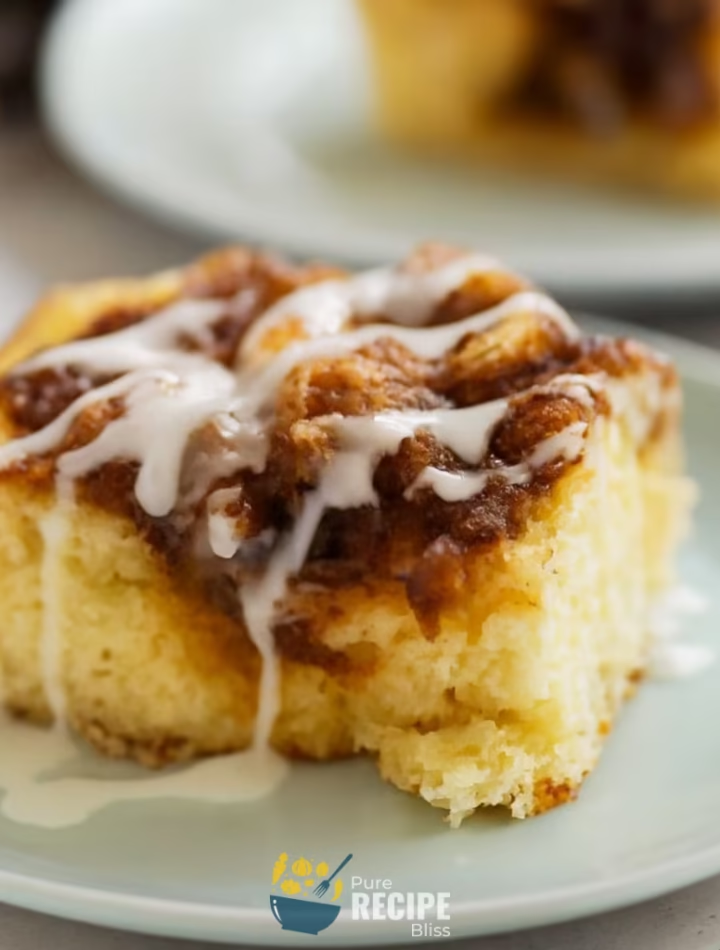
I tried making this Cinnamon Roll Cake the other day and honestly it didn’t take much time at all, which is nice when you don’t want to spend hours in the kitchen. The steps are pretty straightforward, and once it’s in the oven you can just wait for that smell to fill the house.
It works well when you want something cozy for breakfast, but it also feels right as a little snack later in the day or even after dinner when you’re craving something sweet. That’s why I thought I’d share it with you, and next I’ll explain exactly what Cinnamon Roll Cake is all about.
What is Cinnamon Roll Cake?
Cinnamon Roll Cake is basically a soft and buttery cake that has a cinnamon-sugar swirl baked right into it. Instead of rolling dough like you would for regular cinnamon rolls, you just make a batter and swirl the topping through, which makes it easier but still gives that same flavor.
It’s usually served warm with a vanilla glaze drizzled over the top, and that glaze soaks into the cake to make it gooey and sweet. People often enjoy it as a breakfast treat, but it also works well as a dessert or even a snack when you want something comforting.
In a way, it’s like taking the idea of a cinnamon roll and turning it into a cake form, so you get the taste you love without the extra steps of yeast dough. That’s why it’s become a popular choice for home bakers who want something quick but still special.
Why You’ll Love This Recipe:
- Quick to put together: The Cinnamon Roll Cake doesn’t take very long to prepare, and once you mix the batter and swirl in the topping, the oven does most of the work. I noticed that even when I was distracted, it still came out fine, which makes it feel less stressful.
- Simple ingredients you already know: Everything in this recipe is pretty common, like flour, sugar, butter, and cinnamon. I didn’t have to run to the store for anything unusual, which made it easier to start baking right away.
- Easy to adjust: You can change little things depending on what you like. For example, I once added a handful of chopped nuts into the swirl, and it gave a nice crunch. You could also make the glaze thicker or thinner depending on how sweet you want it.
- Beginner-friendly steps: Even if someone is not used to baking, the instructions are clear enough. I remember the first time I tried it, I was worried about the swirl part, but it turned out fine once I just dragged the knife through the batter slowly.
- Works for different times of day: I’ve had a slice in the morning with coffee, and I’ve also served it after dinner when I wanted something sweet. It fits into different moments, so you don’t have to think too hard about when to enjoy it.
- Tastes lighter than expected: One thing I noticed is that the cake doesn’t feel overly heavy or too sweet. It has that cinnamon roll flavor but in a softer way, which makes it easier to eat more than one piece without feeling full too quickly.
Ingredients Needed:
When I was making the Cinnamon Roll Cake, I noticed that the ingredients are all pretty familiar, but each one has its own role. So let me explain them in a simple way:
- Flour – gives the cake its structure and makes it hold together.
- Sugar – adds sweetness and also helps the cake stay soft.
- Butter – brings in richness and keeps the texture moist.
- Eggs – help bind everything and make the cake rise nicely.
- Milk – keeps the batter smooth and adds moisture.
- Vanilla extract – gives a light flavor that balances the cinnamon.
- Brown sugar and cinnamon – these two make the swirl that gives the cake its special taste.
- Powdered sugar – used for the glaze so it melts smoothly over the warm cake.
One small note from me: I prefer using salted butter instead of unsalted because it cuts down the sweetness a little, and I think it makes the flavor more balanced.
💡 Note: For the full ingredient list with exact amounts and measurements, please check the recipe card below.
Step-By-Step Instructions to Make Cinnamon Roll Cake:
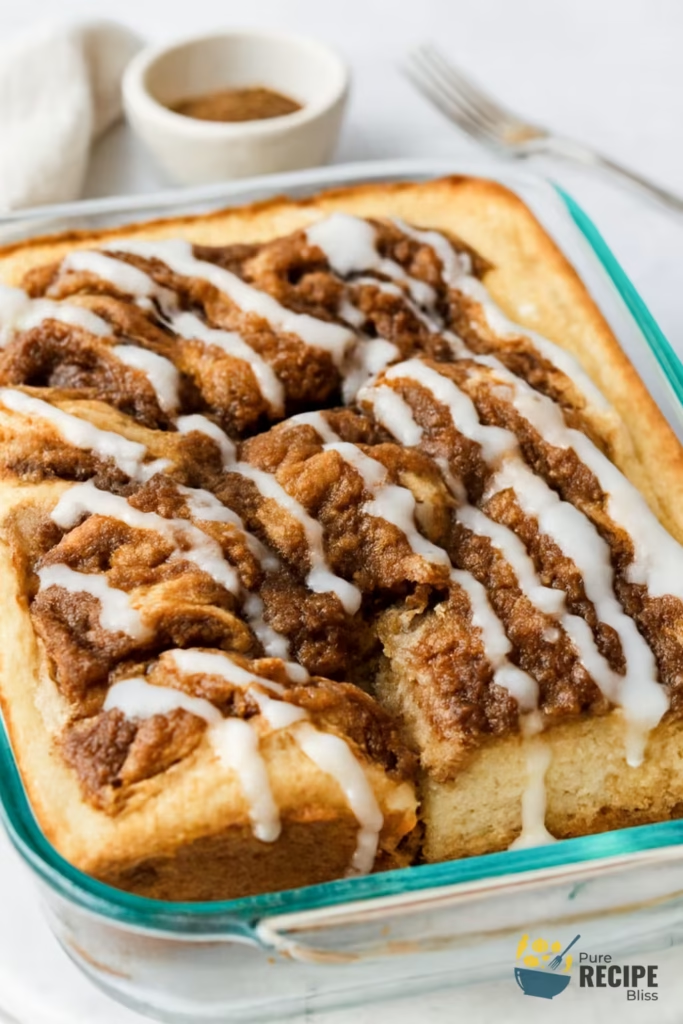
One small thing I learned when I made this at home is that the swirl part looks messy at first, but once it bakes, it actually turns into the prettiest pattern. So don’t worry too much about how neat it looks before baking.
Step 1: Mixing the Batter
Start by putting together the basic batter. Combine the flour, sugar, baking powder, milk, eggs, and vanilla, and mix until it looks smooth. I usually stop mixing once I see no dry flour left because if you keep going too long, the cake can turn heavy. Then add the melted butter slowly so it blends in without clumping. The batter should look creamy and easy to spread.
Step 2: Preparing the Swirl Topping
In another bowl, mix softened butter with brown sugar, flour, and cinnamon. It should look like a thick paste that spreads easily. I once tried using cold butter, and it stayed chunky, which didn’t swirl well, so make sure the butter is soft. This mixture is what gives the cake its gooey cinnamon flavor.
Step 3: Layering and Swirling
Pour the batter into your baking dish and spread it evenly. Then drop spoonfuls of the cinnamon mixture across the top. Use a butter knife to drag through the batter in different directions. I like to make figure-eight motions because it creates more natural swirls. Don’t overdo it, or the swirl will disappear into the batter.
Step 4: Baking the Cake
Place the dish in the oven and bake until the edges look golden and the center feels springy when you press lightly. A toothpick test works too, but I usually trust the look and feel more. If the top looks too dark before the middle is done, you can loosely cover it with foil.
Step 5: Making the Glaze
While the cake is baking, whisk powdered sugar, milk, and vanilla together until smooth. The glaze should look glossy and pourable, not too thick. If it feels heavy, add a tiny splash of milk.
Step 6: Glazing the Cake
Once the cake is out of the oven, let it sit for a short while so it’s warm but not piping hot. Then drizzle the glaze evenly across the top. If you glaze too early, it melts away into the cake, and if you wait too long, it just sits on top like frosting. I found that waiting just a little gives the best balance because the glaze soaks in but still shows on the surface.
That’s the whole process. It’s really about paying attention to the texture and look at each stage rather than worrying about exact numbers.
💡 Note: These steps are just an overview. For detailed quantities, measurements, and exact timings to make this recipe, please check the recipe card below.
Helpful Tips For The Best Results:
- Texture check: When mixing the batter for Cinnamon Roll Cake, stop once it looks smooth and creamy. If you keep mixing too long, the cake can turn heavy instead of soft.
- Heat control: Ovens can vary, so if you notice the edges browning too quickly, loosely cover the pan with foil. This keeps the middle from staying raw while the outside gets too dark.
- Swirl technique: Don’t over-swirl the cinnamon topping. A few figure-eight motions with a knife are enough. If you mix too much, the swirl disappears into the batter.
- Ingredient swap: If you don’t have salted butter, you can use unsalted and add a pinch of salt. I tried this once, and it still gave a balanced flavor.
- Glaze timing: Drizzle the glaze while the cake is warm but not hot. Too early and it melts away, too late and it just sits on top.
Tasty Variations to Try:
- Nutty swirl: Add chopped pecans or walnuts into the cinnamon mixture for extra crunch.
- Chocolate twist: Mix a spoon of cocoa powder into the swirl for a light mocha flavor. I tried this once, and it gave a nice change without being too strong.
- Cream cheese glaze: Swap the vanilla glaze for cream cheese glaze if you want a tangier finish.
- Vegan option: Use plant-based milk and vegan butter, and the cake still turns out soft and flavorful.
- Seasonal idea: In autumn, sprinkle a little nutmeg or pumpkin spice into the swirl for a cozy seasonal taste.
- Fruit addition: A handful of diced apples folded into the batter gives a cinnamon-apple cake feel.
Serving Suggestions:
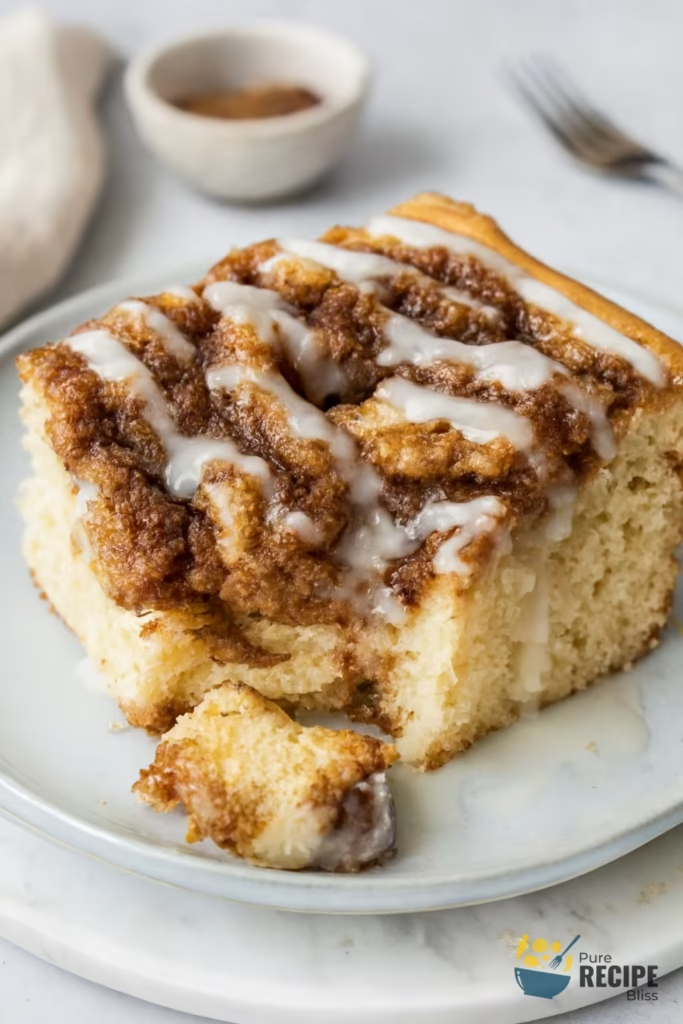
1. Morning treat:
Serve Cinnamon Roll Cake with a hot cup of coffee or tea. It feels like a cozy start to the day, and the cinnamon flavor pairs well with something warm to drink.
2. After-dinner sweet:
Perfect for ending a meal when you want something light but still sweet. I usually cut smaller squares so everyone can have a taste without feeling too full.
3. Snack time idea:
Pairs well with a glass of cold milk or even a scoop of vanilla ice cream. I tried it once with ice cream, and it made the cake feel more like a dessert.
Storage & Reheating Tips:
- How long it keeps: Cinnamon Roll Cake stays good for a couple of days at room temperature if covered, and it can last longer in the fridge without losing too much softness.
- Best storage method: I usually wrap the dish tightly or place slices in an airtight container. This keeps the glaze from drying out and helps the cake stay moist.
- Simple reheating advice: When you want to eat it again, just warm a slice in the microwave for a short time. The glaze softens back up, and the cinnamon flavor feels fresh again.
Frequently Asked Questions (FAQ):
-
Can I substitute ingredients if I don’t have everything?
Yes, you can swap salted butter for unsalted with a pinch of salt, and plant-based milk works fine if you want a dairy-free option.
-
Can I make Cinnamon Roll Cake ahead of time?
You can bake it the day before and store it covered. I usually reheat slices quickly in the microwave, and the glaze softens nicely again.
-
What if the cake feels too dense?
That usually happens if the batter is mixed too long. Try stopping once the flour blends in, and the texture should stay light.
-
Is there a way to make it lighter for dietary concerns?
Yes, you can reduce the sugar in the glaze or use a sugar substitute. I tried it once, and the flavor was still good, just less sweet.
Cinnamon Roll Cake
Description
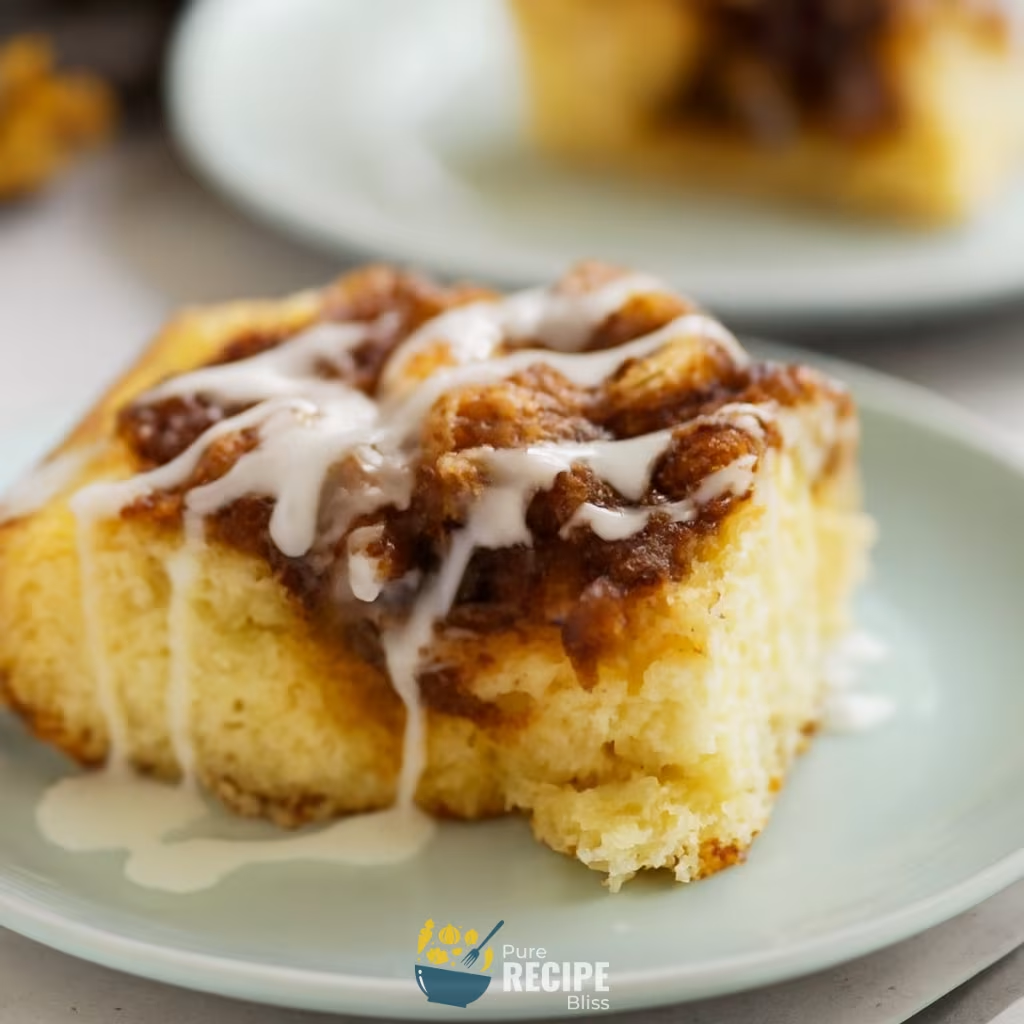
Cinnamon Roll Cake is a soft, buttery cake swirled with a cinnamon-sugar topping and finished with a creamy vanilla glaze. It brings all the flavors of a classic cinnamon roll without the extra work of rolling dough. Perfect when you want something warm and sweet to share.
Ingredients
Instructions
- Preheat oven to 350°F (175°C) and lightly grease a 9×13-inch baking dish with cooking spray.
- In a large mixing bowl, combine 3 cups all-purpose flour, 4 teaspoons baking powder, 1 cup granulated sugar, 1 ½ cups milk (2%), 2 large eggs, and 2 teaspoons vanilla extract. Mix until smooth, then slowly add ½ cup melted salted butter. Spread batter evenly into the prepared dish.
- In another bowl, mix ½ cup softened salted butter, 1 cup light brown sugar, 2 tablespoons all-purpose flour, and 1 tablespoon ground cinnamon until creamy. Drop spoonfuls of this mixture over the batter.
- Use a butter knife to swirl the topping into the batter with gentle figure-eight motions.
- Bake for 32-38 minutes, or until the edges are golden and the center springs back lightly when pressed.
- While baking, whisk together 2 cups powdered sugar, 3-4 tablespoons milk, and 1 teaspoon vanilla extract until smooth and glossy.
- Let cake rest for 15 minutes after baking, then drizzle glaze evenly over the warm cake. Slice into 12 servings and enjoy.
Notes
- Don’t overmix the batter; stop once it looks smooth to avoid a dense texture.
- If the cake edges brown too quickly, tent with foil halfway through baking.
- Drizzle glaze while the cake is warm, not hot, for the best soak-in effect.
Nutrition Facts
Servings 12
Serving Size 1 slice
- Amount Per Serving
- Calories 320kcal
- % Daily Value *
- Total Fat 11g17%
- Saturated Fat 6g30%
- Cholesterol 55mg19%
- Sodium 210mg9%
- Total Carbohydrate 52g18%
- Dietary Fiber 1g4%
- Sugars 34g
- Protein 6g12%
- Vitamin A 310 IU
- Vitamin C 0.2 mg
- Calcium 110 mg
- Iron 1.9 mg
- Vitamin D 12 IU
* Percent Daily Values are based on a 2,000‑calorie diet, and your daily needs may be higher or lower depending on your lifestyle. Nutrition information is shared only as a general estimate and may not always be fully accurate. If you follow a special diet or have specific health concerns, it’s best to check with a registered dietitian for personalized guidance.