Sometimes you just want something warm and filling without spending too much time cooking, and that’s when creamy tomato pasta comes in handy. It’s quick enough to make while the pasta boils, and it feels like a proper meal even on busy days.
I usually think of it as a dinner option, but it works for lunch too if you want something satisfying. It’s saucy, cheesy, and ready fast, which makes it one of those dishes I keep in mind whenever I don’t want to overcomplicate things.
What is Creamy Tomato Pasta?
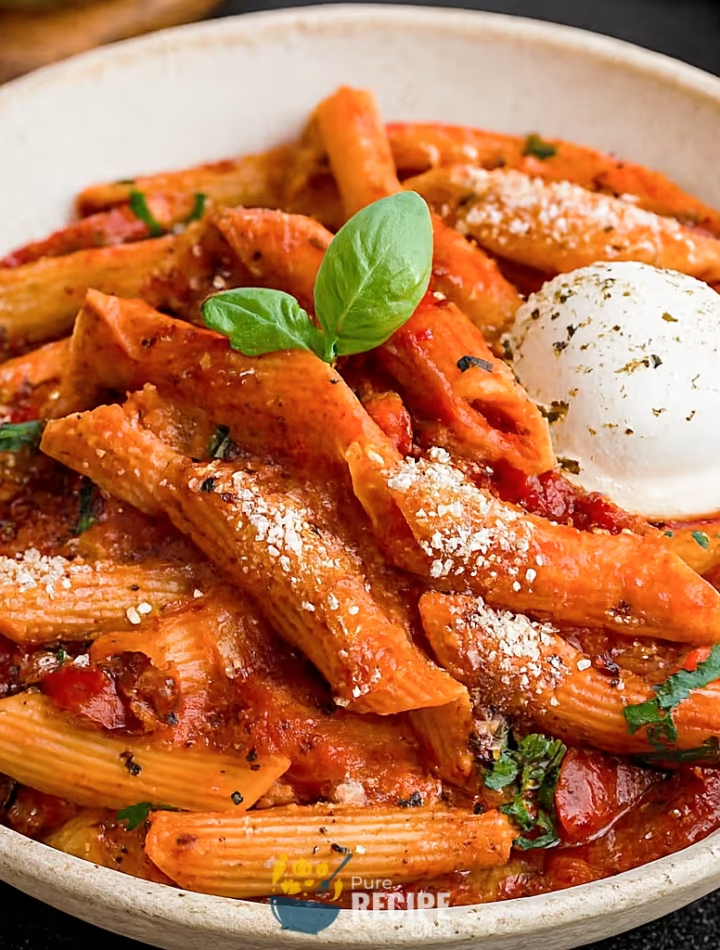
Creamy tomato pasta is basically a pasta dish where the sauce is made from tomatoes but softened with cream and cheese so it feels richer and smoother. The tomato gives it that bright flavor, and then the cream takes away the sharpness, making it taste more balanced. The parmesan adds a salty kick that ties everything together.
It’s usually eaten hot and fresh, right after mixing the pasta with the sauce, and it works well as a main meal. Most people serve it for lunch or dinner, and it’s the kind of dish that feels filling without being heavy. You can keep it simple with just the sauce and pasta, or you can add extras like chicken, vegetables, or even a little spice if you want to change it up.
Why You’ll Love This Recipe:
- Quick to make: The whole dish comes together while the pasta cooks, so you don’t feel like you’re stuck in the kitchen for too long. I’ve timed it a few times, and it usually takes me around twenty minutes from start to finish.
- Comfort in a bowl: The sauce is creamy and cheesy but still has that tomato flavor shining through, which makes it feel cozy without being too heavy. It’s the kind of meal that feels satisfying after a long day.
- Easy to adjust: I’ve tried adding a little chicken or spinach when I had leftovers, and it blended in really well. You can also make it spicier with chili flakes if you like a bit of heat.
- Works for different meals: I usually make creamy tomato pasta for dinner, but it also fits nicely as a filling lunch. It reheats well, so you can even save some for the next day without losing flavor.
- Beginner-friendly: Even if you don’t cook often, the steps are straightforward. The only thing I’d say to watch out for is not adding the cream too early, because I once did that and the sauce split. Waiting until the tomatoes simmer makes it smooth every time.
Ingredients Needed:
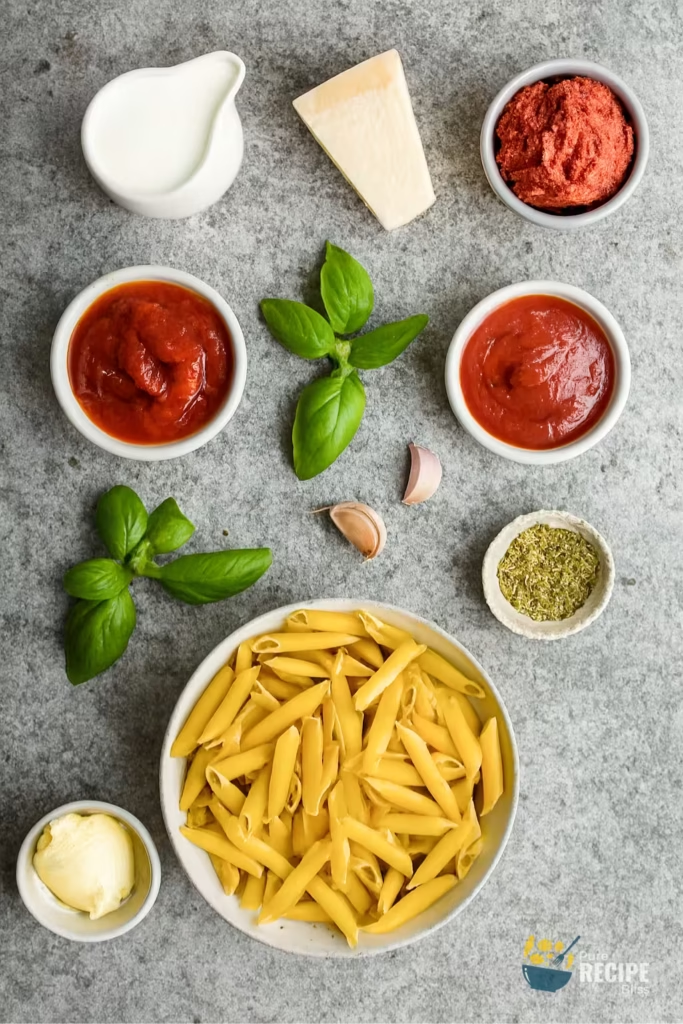
- Pasta: You can use penne, spirals, or even spaghetti. I usually go with penne because it holds the sauce nicely, but honestly any shape works fine. Just make sure to cook it until it still has a little bite, because overcooked pasta can get mushy when mixed with the sauce.
- Garlic: I like adding three cloves, but sometimes I go heavier if I want a stronger flavor. Crushing them instead of chopping makes the flavor spread more evenly in the sauce.
- Passata (tomato puree): This is the base of the sauce. I’ve found that using plain passata without added flavors works better, because then you can control the seasoning yourself.
- Tomato paste: A few spoonfuls give the sauce more depth. I once skipped it and the sauce tasted a bit flat, so now I always keep some on hand.
- Cream: I usually use thickened cream because it makes the sauce smooth and rich. If you use lighter cream, the sauce can feel thinner, so it depends on what you prefer.
- Parmesan cheese: Freshly grated parmesan melts better and gives the sauce a nice salty flavor. I tried pre-grated once and the sauce turned grainy, so I wouldn’t recommend that.
- Pasta water: This is something I didn’t realize mattered until I tried it. Adding a little starchy water makes the sauce cling to the pasta instead of sliding off.
- Italian herbs: A mix of dried basil, oregano, or parsley works well. I sometimes add fresh basil at the end for extra flavor.
- Salt and pepper: These are just for adjusting the taste at the end, but don’t skip them because they make a big difference in balancing the flavors.
💡 Note: For the full ingredient list with exact amounts and measurements, please check the recipe card below.
Step-By-Step Instructions to Make Creamy Tomato Pasta:
Do you know the sauce really changes depending on when you add the cream. If you add it too early, it can split, but if you wait until the tomatoes have simmered a bit, it blends in smoothly and gives that glossy finish.
Step 1: Cook the pasta
Start by boiling a big pot of water with some salt, then add your pasta. Keep an eye on it because you want it to stay firm enough to hold the sauce later. I usually taste a piece to check if it still has a little bite.
Step 2: Start the base of the sauce
While the pasta cooks, melt butter in a pan over low heat. Add the garlic and let it soften until it smells fragrant. Don’t rush this part because garlic can burn quickly and turn bitter.
Step 3: Add tomato flavor
Pour in the passata and stir in the tomato paste along with herbs. Let it simmer gently so the flavors come together. The sauce should look a little thicker and smell rich after a few minutes.
Step 4: Make it creamy
Turn the heat down low and add cream and parmesan. Stir until the cheese melts and the sauce looks smooth. If you see it getting too thick, that’s when the pasta water comes in handy to loosen it up.
Step 5: Combine pasta and sauce
Drain the pasta and add it straight into the pan with the sauce. Stir until every piece is coated and glossy. Taste and adjust with salt and pepper before serving.
Step 6: Finish and serve
Top with extra parmesan and fresh basil. Sometimes I add burrata or bocconcini if I want it to feel more indulgent. Serve it hot because that’s when the sauce clings best.
💡 Note: These steps are just an overview. For detailed quantities, measurements, and exact timings to make this recipe, please check the recipe card below.
Helpful Tips For The Best Results:
- Texture matters: Try not to overcook the pasta because once it’s mixed with the sauce, it softens a little more. I usually taste a piece before draining to make sure it still has a slight bite.
- Heat control: Keep the stove on low when adding cream and cheese. I once turned the heat up too high and the sauce separated, so now I always lower it before stirring them in.
- Ingredient swap: If you don’t have parmesan, pecorino works fine. I’ve tried it once and the flavor was sharper but still really good.
- Save pasta water: Don’t forget to scoop some out before draining. It makes the sauce glossy and helps it stick better to the pasta.
- Fresh vs. pre-grated cheese: Freshly grated melts smoothly. Pre-grated can make the sauce grainy, so I avoid it now.
Tasty Variations to Try:
- Add spice: Sprinkle chili flakes or cayenne if you like a little heat. I sometimes do this when I want the sauce to feel less mild.
- Protein boost: Leftover chicken or even cooked sausage can be stirred in. It makes the dish more filling without changing the flavor too much.
- Vegetable mix: Spinach wilts nicely in the hot sauce, or you can sauté zucchini or cherry tomatoes with the garlic at the start.
- Cheese swap: Burrata or bocconcini on top makes it creamier. I’ve tried burrata once and it gave a nice soft texture.
- Seasonal twist: In summer, fresh basil adds brightness, while in colder months, I sometimes add roasted peppers for a deeper flavor.
- Nutty topping: Toasted pine nuts or pistachios sprinkled on top add crunch and a little extra flavor.
Serving Suggestions:
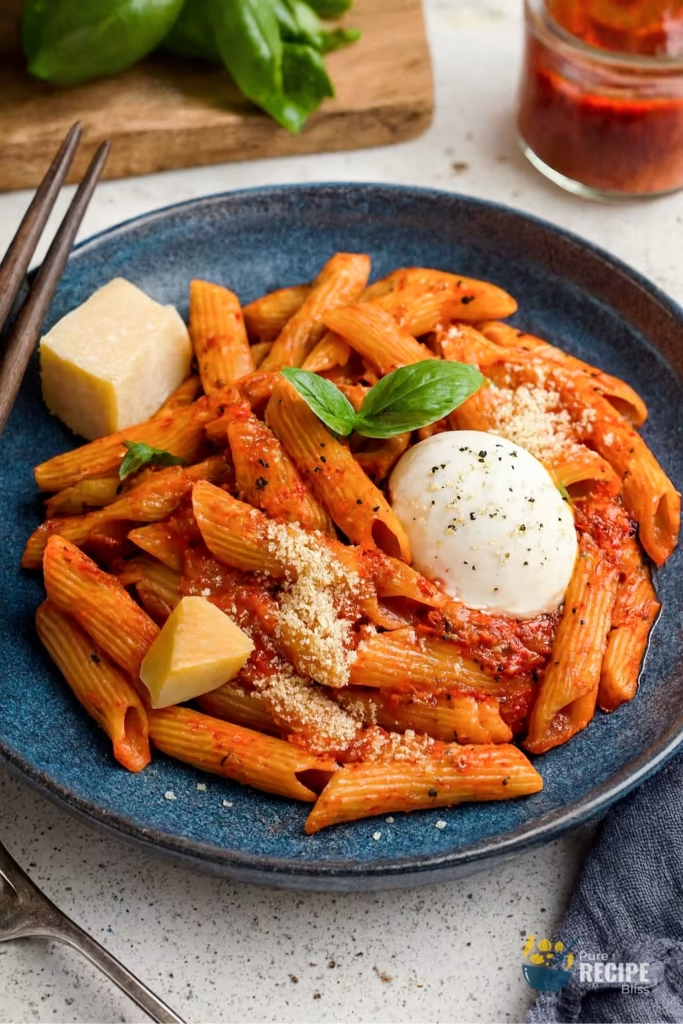
1. When to serve:
Creamy tomato pasta works best as a main meal for lunch or dinner. It’s filling enough to stand alone, but it also reheats well if you want leftovers the next day.
2. Pairs well with sides:
Serve with a simple green salad or garlic bread to balance the richness of the sauce. I sometimes add roasted vegetables on the side when I want something lighter.
3. Perfect for gatherings:
This dish is easy to make in larger batches, so it’s a good option when you have friends or family over. It looks nice topped with fresh basil and extra cheese.
Storage & Reheating Tips:
- How long it keeps: Creamy tomato pasta usually stays good in the fridge for about two to three days. I’ve noticed the sauce thickens a little as it sits, but the flavor stays nice.
- Best storage method: Let it cool down first, then place it in airtight containers. I prefer dividing it into smaller portions so it’s easier to reheat later without drying out.
- Simple reheating advice: Warm it gently on the stove over low heat, adding a splash of pasta water or stock to loosen the sauce. I’ve tried microwaving too, but stirring halfway helps keep the texture smooth.
Frequently Asked Questions (FAQ):
-
Can I swap the cream?
Yes, you can use lighter cream or even milk, but the sauce won’t be as thick. I’ve tried light cream once and it worked, though the texture was a little runnier.
-
Can I make it ahead?
The sauce can be cooked earlier and stored, then reheated with fresh pasta. I usually keep it separate because mixing too early makes the pasta soggy.
-
Why does my sauce split?
This usually happens if the cream is added while the heat is too high. Lowering the heat before stirring it in keeps the sauce smooth.
-
Is it gluten-free friendly?
Yes, just use gluten-free pasta. I’ve made it with rice pasta before and the sauce still clings nicely.
-
Can I reduce the cheese?
You can, but the parmesan helps thicken the sauce. If you cut back, add a little extra cream or pasta water to balance it.
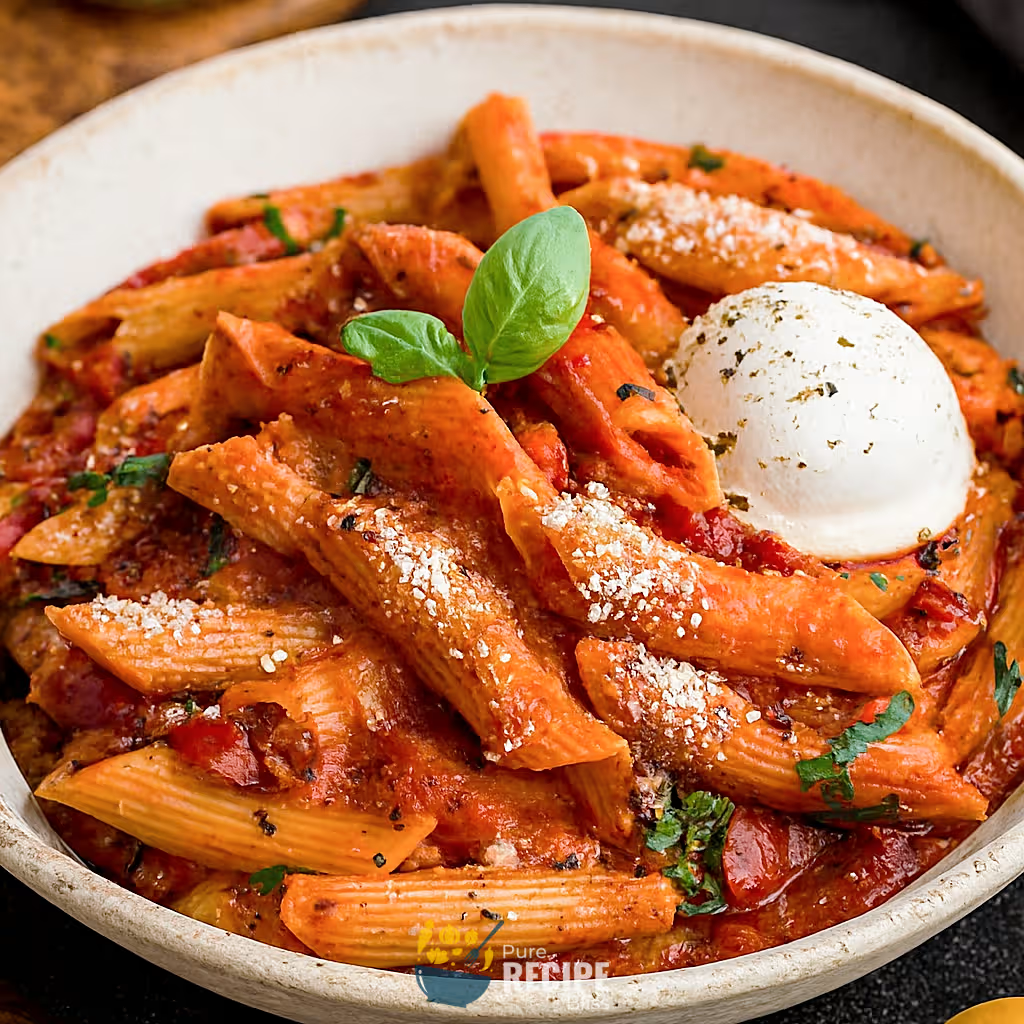
Creamy Tomato Pasta
Description
Creamy tomato pasta is a quick stovetop dish where pasta is tossed in a silky tomato sauce enriched with cream and parmesan. It’s cozy, filling, and ready in under 20 minutes, making it a go-to for lunch or dinner.
Ingredients
Instructions
- Bring a large pot of water to a boil, add 1 tablespoon salt and 500 g dried pasta (penne, spirals, or spaghetti). Cook until al dente, then reserve 1 cup pasta water before draining.
- In a large pan, melt 3 tablespoons butter over low heat. Add 3-4 crushed garlic cloves and sauté until fragrant, about 2 minutes.
- Stir in 700 g passata, 3-4 heaped tablespoons tomato paste, and 1 teaspoon dried Italian herbs. Simmer gently for about 5 minutes until slightly thickened.
- Reduce heat to low, then add ¾ cup cooking cream and 1 cup freshly grated parmesan cheese. Stir until smooth and creamy.
- Gradually add ½-1 cup reserved pasta water to loosen the sauce until glossy and clings to the pasta.
- Toss the drained pasta into the sauce, mixing until evenly coated. Season with salt and black pepper to taste.
- Serve hot topped with fresh basil leaves, extra parmesan, and optional burrata or bocconcini cheese for added richness.
Notes
- Always add cream and parmesan on low heat to prevent splitting.
- Freshly grated parmesan melts smoothly; pre-grated can make the sauce grainy.
- Pasta water is essential for a silky sauce texture.
Nutrition Facts
Servings 5
Serving Size 1 bowl
- Amount Per Serving
- Calories 627kcal
- % Daily Value *
- Total Fat 19g30%
- Saturated Fat 11g56%
- Trans Fat 0.3g
- Cholesterol 52mg18%
- Sodium 503mg21%
- Potassium 985mg29%
- Total Carbohydrate 91g31%
- Dietary Fiber 6g24%
- Sugars 11g
- Protein 24g48%
- Vitamin A 1416 IU
- Vitamin C 18 mg
- Calcium 311 mg
- Iron 4 mg
* Percent Daily Values are based on a 2,000‑calorie diet, and your daily needs may be higher or lower depending on your lifestyle. Nutrition information is shared only as a general estimate and may not always be fully accurate. If you follow a special diet or have specific health concerns, it’s best to check with a registered dietitian for personalized guidance.