When I first tried making Thai Green Curry Chicken at home, I was surprised by how quickly everything came together. It doesn’t take much more than chopping a few vegetables and letting the sauce simmer, so it’s not the kind of recipe that keeps you stuck in the kitchen for hours.
I usually think of it as a dinner dish because it’s filling and pairs nicely with rice, but it also works if you want to prep ahead for weekday lunches. It’s one of those meals that feels satisfying without being too heavy, and that’s why I keep it in my regular rotation.
What is Thai Green Curry Chicken?
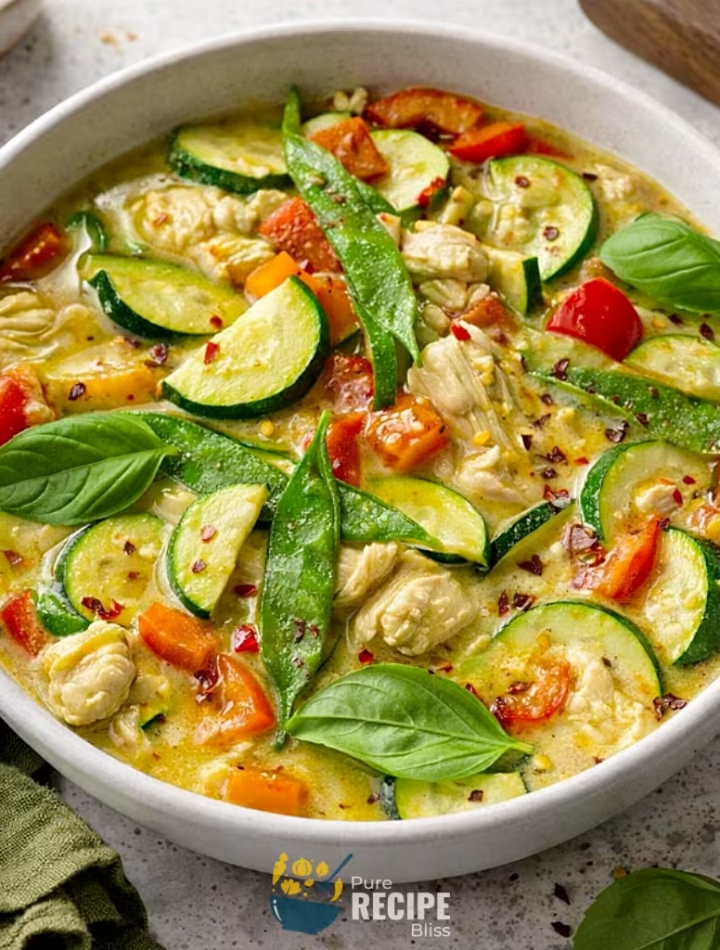
Thai Green Curry Chicken is a classic Thai dish made with a coconut milk base, green curry paste, chicken, and vegetables. The sauce is creamy but still light, and the curry paste gives it a mix of spice and fresh flavor. It’s one of those meals that feels balanced because you get protein, vegetables, and a flavorful sauce all in one bowl.
It’s usually served hot over jasmine rice, which soaks up the sauce really well. In Thai cooking, green curry is known for being more herbal and slightly spicier compared to red or yellow curry. At home, it’s a flexible recipe because you can swap vegetables depending on what you have, and you can even make it meatless if you prefer. This makes it a dish that works for everyday dinners but still feels a little special.
Why You’ll Love This Recipe:
- Quick to make: Thai Green Curry Chicken doesn’t take long at all. Once the sauce starts simmering, the chicken and vegetables cook pretty fast, so you can have dinner ready in about half an hour without much waiting.
- Balanced flavors: The coconut milk makes it creamy, but the curry paste adds spice and freshness. It’s not too heavy, and the mix of chicken with vegetables makes it feel complete in one bowl.
- Easy to adjust: You can swap vegetables depending on what you have at home. I’ve tried it with green beans and even sweet potatoes, and it still turned out really good.
- Works for meal prep: I’ve noticed that the flavor gets stronger the next day, so it’s nice to make extra and keep it for lunch. The sauce thickens a little, which makes it even better with rice.
- Custom spice level: If you don’t like too much heat, you can use a mild curry paste. If you want more kick, just add a stronger one. That way, it fits different tastes without needing a complicated change.
Ingredients Needed:
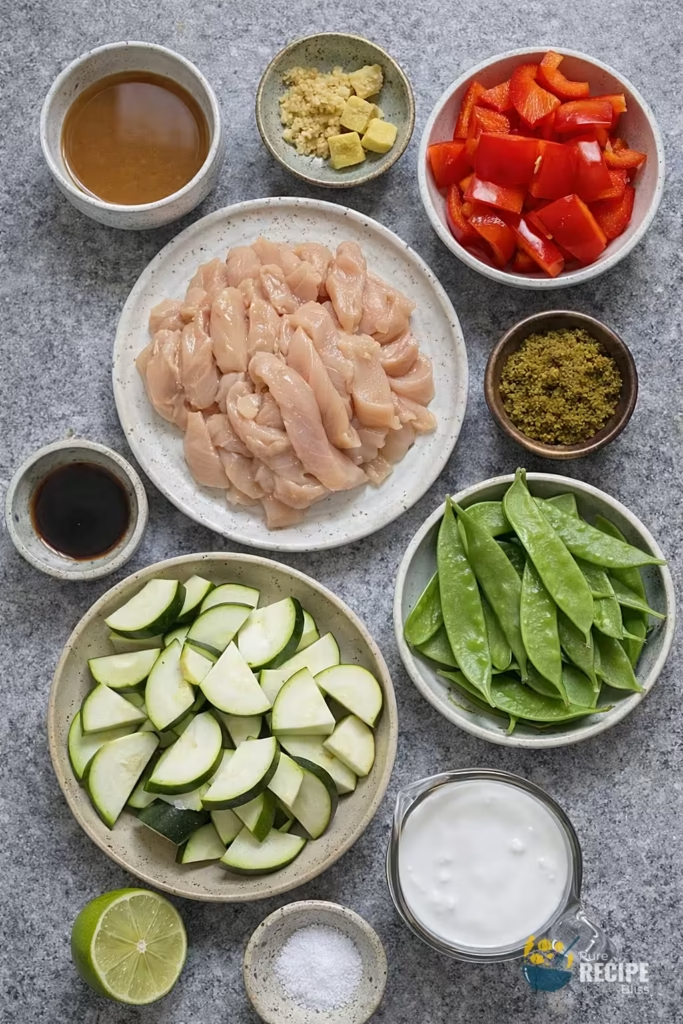
- Coconut milk: You’ll want to use full‑fat coconut milk because it makes the sauce creamy and smooth. I tried light coconut milk once, and it came out too thin, so I stick with the regular version.
- Garlic and ginger: These two give the curry its base flavor. I usually mince them fresh because the jarred kind doesn’t taste as strong.
- Green curry paste: This is the main flavoring. You can buy it at most grocery stores, and the spice level depends on the brand. I’ve noticed Thai Kitchen is mild, while Mae Ploy has more heat.
- Chicken broth: This helps thin out the sauce and adds a little savory flavor. I sometimes use stock if I have it, but broth works fine.
- Sugar and salt: A small amount of sugar balances the spice, and salt brings everything together.
- Chicken breast: Thinly sliced chicken cooks quickly and stays tender. I’ve also tried chicken thighs, and they work too if you want a richer taste.
- Vegetables: Snow peas, zucchini, and bell pepper are my usual picks. They cook fast and stay crisp, but you can swap them with whatever you have on hand.
- Lime juice and fish sauce: Lime adds brightness at the end, and fish sauce gives a deeper flavor. I sometimes skip the fish sauce if I don’t feel like using it, and it still tastes good.
- Rice for serving: Jasmine rice is the classic choice because it soaks up the curry sauce really well. I’ve also served it with coconut rice, and that made it extra rich.
💡 Note: For the full ingredient list with exact amounts and measurements, please check the recipe card below.
Step-By-Step Instructions to Make Thai Green Curry Chicken:
The coconut milk can split if the heat is too high, so I always keep the stove at medium and stir often. That way, the sauce stays smooth and creamy. Now, let’s see the steps.
Step 1: Start with coconut milk
Pour a little coconut milk into a warm skillet and let it thicken slightly. You’ll notice it goes from watery to glossy, which is the right cue to move on. This step helps the curry paste blend better later.
Step 2: Build the flavor base
Add garlic, ginger, and curry paste into the pan. Stir slowly so nothing sticks. The smell will get strong and fragrant, and that’s how you know the flavors are opening up.
Step 3: Add liquids and seasonings
Pour in the rest of the coconut milk along with broth, sugar, and salt. Stir until the sauce looks smooth and slightly creamy. Keep the heat steady so the sauce doesn’t boil too hard.
Step 4: Cook the chicken
Slide in the sliced chicken pieces. They should gently poach in the sauce rather than fry. Stir now and then until the chicken looks opaque and tender.
Step 5: Add vegetables
Toss in snow peas, zucchini, and bell pepper. They cook quickly, so watch for the color to stay bright and the texture to stay slightly crisp. Overcooking makes them soggy.
Step 6: Finish with lime and fish sauce
Squeeze in lime juice and add fish sauce if you’re using it. Taste the sauce and adjust with a little more salt if needed. The lime should make the flavor fresher and lighter.
Step 7: Serve hot
Spoon the curry over jasmine rice. The rice will soak up the sauce, and that’s what makes each bite satisfying. I sometimes add fresh cilantro on top for a little extra freshness.
💡 Note: These steps are just an overview. For detailed quantities, measurements, and exact timings to make this recipe, please check the recipe card below.
Helpful Tips For The Best Results:
- Control the heat: Keep the stove at medium instead of high because coconut milk can separate if it boils too hard. Stir often so the sauce stays smooth.
- Watch the texture: The chicken should look tender and slightly opaque when done. If it looks rubbery, it probably cooked too long.
- Vegetables timing: Add vegetables near the end so they stay bright and crisp. If they go in too early, they lose color and taste flat.
- Ingredient swaps that work: Chicken thighs can replace chicken breast if you want richer flavor. Vegetable broth works fine if you’re making it meatless.
- Taste as you go: A squeeze of lime or a pinch of salt at the end can make a big difference, so don’t skip tasting before serving.
Tasty Variations to Try:
- Vegetarian option: Skip the chicken and add tofu or extra vegetables like broccoli or carrots.
- Spice adjustment: Use a mild curry paste if you don’t like heat, or add extra paste for stronger flavor.
- Seasonal vegetables: Try green beans in summer or sweet potatoes in winter. They change the feel of the curry but still taste good.
- Flavor swap: Add Thai basil at the end for a more herbal note, or sprinkle cilantro for freshness.
- Different protein: Shrimp or even fish can be used instead of chicken if you want a lighter seafood version.
- Rice alternatives: Serve with brown rice or even noodles if you want something different from jasmine rice.
Serving Suggestions:
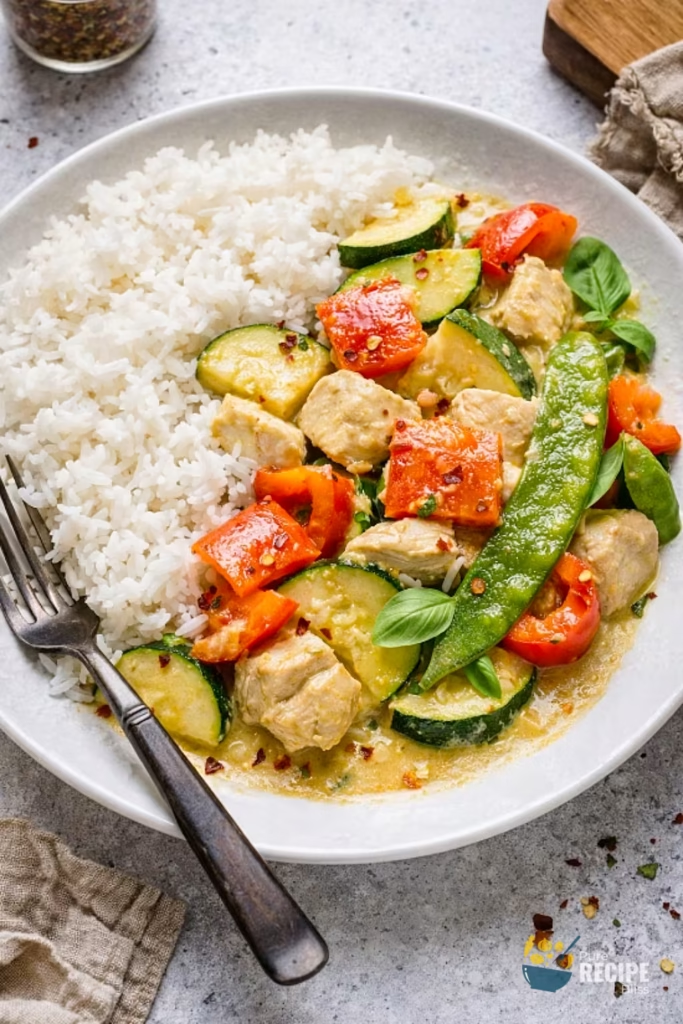
1. Serve with rice:
Thai Green Curry Chicken pairs best with jasmine rice because the grains soak up the sauce nicely. I sometimes switch to coconut rice when I want it a little richer.
2. Perfect for dinner:
This dish works well as a main course for family dinners since it’s filling but not too heavy. It’s also easy to make extra if you want leftovers for lunch.
3. Pairs well with sides:
Fresh cilantro, lime wedges, or even a simple cucumber salad go well with the curry. These add freshness and balance out the creamy sauce.
4. Great for gatherings:
If you’re cooking for friends, serve it in a big pot with rice on the side so everyone can scoop their own. It feels casual but still special.
Storage & Reheating Tips:
- How long it keeps: Thai Green Curry Chicken usually stays good in the fridge for about three days. I’ve noticed the flavor gets stronger the next day, which makes it nice for meal prep.
- Best storage method: Store the curry in an airtight container so the coconut milk sauce doesn’t absorb other fridge smells. Keeping the rice separate helps prevent it from getting soggy.
- Simple reheating advice: Warm it gently on the stove over medium heat, stirring often so the sauce stays smooth. If it looks too thick, add a splash of broth or water to loosen it up.
Frequently Asked Questions (FAQ):
-
Can I substitute the chicken?
Yes, you can use shrimp, tofu, or even chickpeas instead of chicken. Each option changes the flavor slightly, but the sauce still works well with them.
-
Can I make it ahead of time?
Thai Green Curry Chicken can be cooked a day in advance. The flavors usually get stronger overnight, so it’s actually nice for meal prep.
-
Why does the sauce sometimes look too thin or split?
This usually happens if the heat is too high. Keeping the stove at medium and stirring often helps the sauce stay creamy.
-
Is this recipe gluten-free or dairy-free?
Yes, it is naturally dairy-free, and most curry pastes are gluten-free. Just check the label to be sure, especially if you’re serving someone with dietary restrictions.
-
Can I add more vegetables?
Absolutely. I’ve tried adding broccoli, carrots, and even sweet potatoes, and they all worked fine. It’s flexible depending on what you have at home.
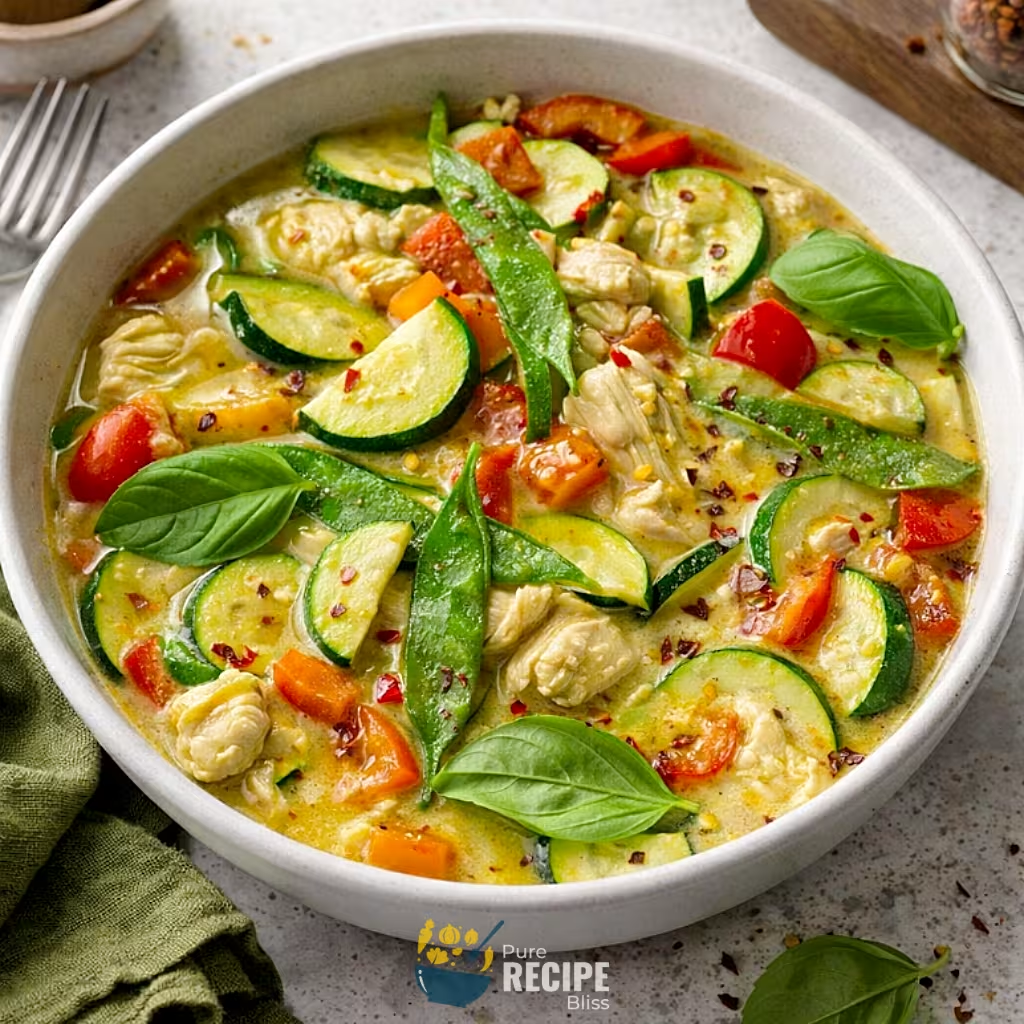
Thai Green Curry Chicken
Description
Thai Green Curry Chicken is a creamy coconut milk curry cooked with tender chicken and fresh vegetables. It’s flavorful, customizable, and works well for family dinners or meal prep.
Ingredients
Instructions
- Warm ½ cup coconut milk in a skillet over medium heat until it looks slightly thick and glossy.
- Stir in 2 teaspoons garlic, 2 teaspoons ginger, and 3 tablespoons curry paste. Cook gently until fragrant, stirring often so nothing sticks.
- Add the remaining ¾ cup coconut milk, 1 cup chicken broth, 1 tablespoon brown sugar, and ½ teaspoon salt. Mix well and bring to a gentle simmer.
- Place 1 pound sliced chicken breast into the sauce. Cook until the chicken turns opaque and tender.
- Add 1 ½ cups vegetables (snow peas, zucchini, bell pepper). Simmer until vegetables are bright and just tender.
- Stir in the juice of ½ lime and 1 teaspoon fish sauce if using. Taste and adjust seasoning with more salt if needed.
- Serve hot over cooked jasmine rice.
Notes
- Keep the heat medium to prevent coconut milk from splitting.
- Chicken thighs can be used instead of breast for a richer flavor.
- Leftovers taste better the next day as the sauce thickens.
Nutrition Facts
Servings 4
Serving Size 1 bowl with rice
- Amount Per Serving
- Calories 355kcal
- % Daily Value *
- Total Fat 18g28%
- Saturated Fat 13g65%
- Cholesterol 95mg32%
- Sodium 710mg30%
- Potassium 690mg20%
- Total Carbohydrate 11g4%
- Dietary Fiber 2g8%
- Sugars 5g
- Protein 32g64%
- Vitamin A 950 IU
- Vitamin C 28 mg
- Calcium 55 mg
- Iron 2 mg
- Vitamin D 12 IU
* Percent Daily Values are based on a 2,000‑calorie diet, and your daily needs may be higher or lower depending on your lifestyle. Nutrition information is shared only as a general estimate and may not always be fully accurate. If you follow a special diet or have specific health concerns, it’s best to check with a registered dietitian for personalized guidance.