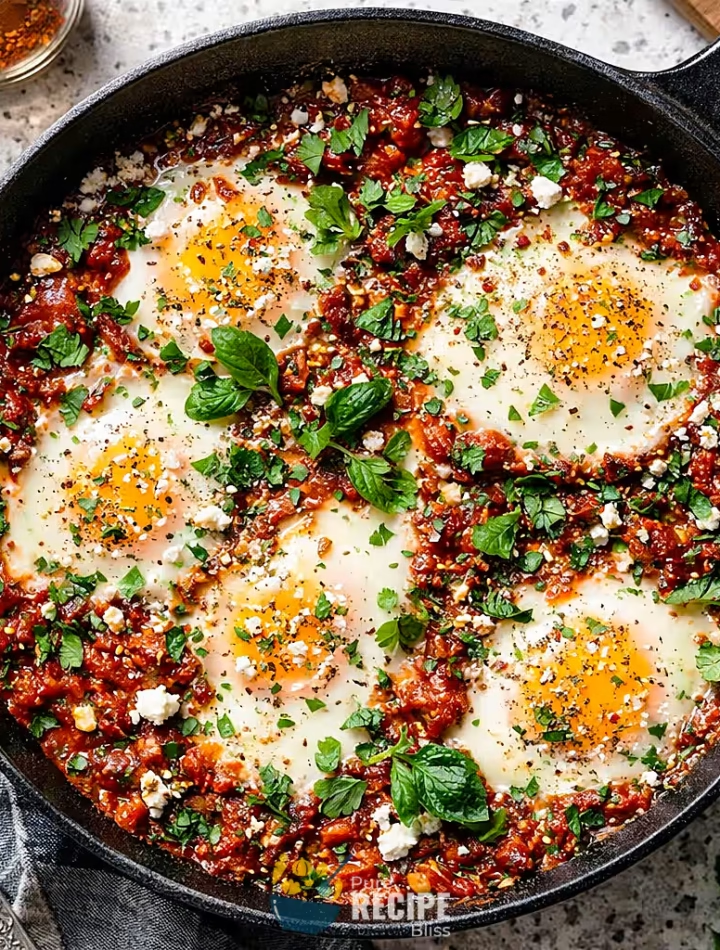
I’ve been making shakshuka quite a few times now, and what I like most is how quickly it comes together without needing a long list of steps. You don’t have to plan ahead much, and in about thirty minutes you can have a full meal ready.
It’s the kind of dish I reach for when I want something warm and filling but don’t want to spend hours in the kitchen. I’ve served it for breakfast when friends came over, but it also works perfectly for lunch or even dinner when you want something satisfying but not heavy. That’s why I thought it would be fun to share it here before we get into what shakshuka actually is.
What is Shakshuka?
I’ve been making shakshuka quite a few times now, and what I like most is how quickly it comes together without needing a long list of steps. You don’t have to plan ahead much, and in about thirty minutes you can have a full meal ready.
It’s the kind of dish I reach for when I want something warm and filling but don’t want to spend hours in the kitchen. I’ve served it for breakfast when friends came over, but it also works perfectly for lunch or even dinner when you want something satisfying but not heavy. That’s why I thought it would be fun to share it here before we get into what shakshuka actually is.
Why You’ll Love This Recipe:
- Quick to make: The whole dish comes together in about thirty minutes, so it doesn’t feel like a big project. I’ve made it on weekdays when I didn’t want to spend too much time cooking, and it still felt special.
- One pan cleanup: Everything cooks in the same skillet, which means fewer dishes to wash later. I’ve noticed this makes it easier to actually enjoy the meal without thinking about the mess.
- Easy to adjust: You can add more peppers, swap the cheese, or even change the spice level depending on what you like. I once added extra harissa because I wanted more heat, and it worked really well.
- Works for any meal: Even though shakshuka is often thought of as breakfast, I’ve served it for lunch and dinner too. It’s filling enough to stand alone, but it doesn’t feel heavy.
- Beginner‑friendly: The steps are straightforward, and even if you’re not used to cooking eggs in sauce, it’s easy to get the hang of it. The only thing to watch is not overcooking the yolks, which I learned the hard way once.
Ingredients Needed:
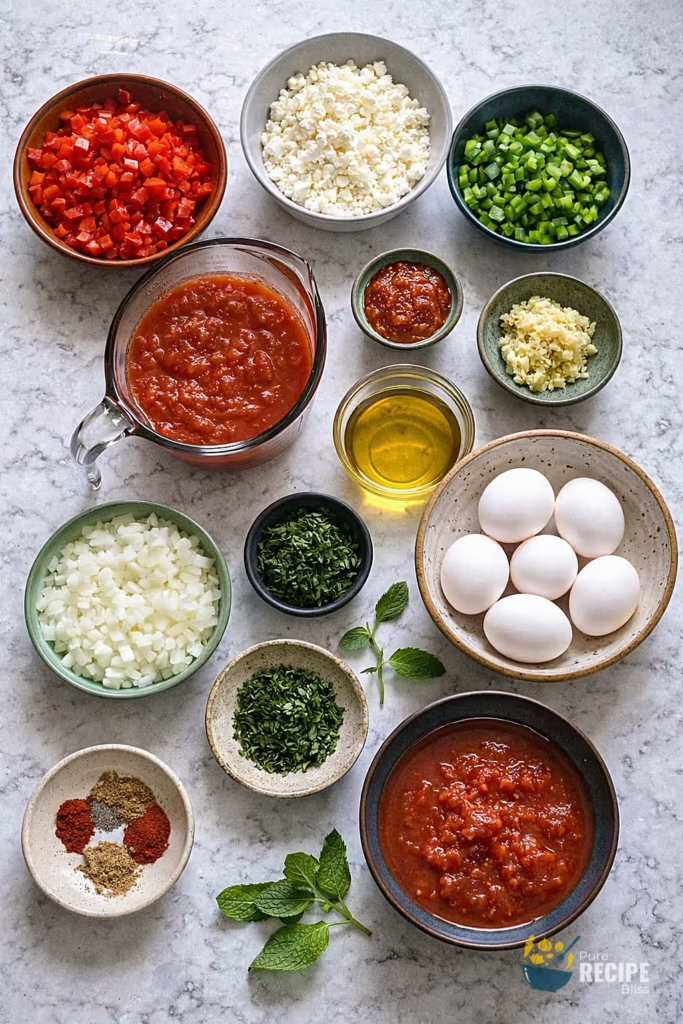
- Olive oil: You only need a couple of tablespoons, and I’ve noticed that using a good extra‑virgin one makes the sauce taste richer, so I usually don’t skip that.
- Onion: A medium onion works fine, and I like to dice it small so it blends into the sauce instead of standing out too much.
- Bell peppers: I use one red and one green because the mix of sweet and earthy flavors makes the sauce more balanced, and it also looks nicer with the color contrast.
- Garlic: Four cloves give enough flavor without being overwhelming, and I’ve found that pressing them instead of chopping helps spread the taste more evenly.
- Spices: Paprika, smoked paprika, cumin, and coriander all go in, and I keep the amounts moderate so the sauce feels warm and layered rather than sharp.
- Crushed tomatoes: A big can of fire‑roasted tomatoes adds a smoky depth, and I’ve tried regular ones before but they tasted a little flat, so now I stick with fire‑roasted.
- Harissa: Just a spoonful changes the whole dish, and I prefer the hot version because it gives the sauce a kick. Mild felt too plain when I tested it.
- Feta cheese: A small handful crumbled in makes the sauce tangy and salty, and I like to save a little extra for sprinkling on top before serving.
- Eggs: Six large eggs fit nicely in the pan, and I always bring them to room temperature first because they cook more evenly that way.
- Fresh herbs: Cilantro, parsley, or mint all work, and I usually mix two together since it gives a fresher finish.
💡 Note: For the full ingredient list with exact amounts and measurements, please check the recipe card below.
Step-By-Step Instructions to Make Shakshuka:
One thing I learned while making shakshuka at home is that the sauce really needs to be thick before you add the eggs. The first time I rushed it, the eggs sank and cooked unevenly, so now I always wait until the sauce looks glossy and holds its shape.
Step 1: Sauté the base
Start by warming olive oil in a wide pan, then add the onion and bell peppers. Keep stirring until the onion softens and the peppers lose that raw crunch. You’ll notice the smell turning sweet and savory at the same time, which is a good sign that the base is ready.
Step 2: Add garlic and spices
Next, toss in the garlic along with paprika, cumin, and coriander. Stir quickly so the garlic doesn’t burn, because once it turns bitter it can affect the whole dish. The spices should smell warm and fragrant, almost like they’re waking up in the pan.
Step 3: Build the sauce
Pour in the crushed tomatoes and stir in the harissa. Let it bubble gently until the sauce thickens. You’ll know it’s ready when it looks chunky and glossy instead of watery. If it still feels thin, just give it more time. Patience here makes the eggs cook better later.
Step 4: Add feta
Crumble in some feta and fold it lightly into the sauce. I don’t stir too much because I like finding little salty bits later when eating. If you mix it too much, it melts away and you lose that texture.
Step 5: Make space for eggs
Use a spoon to create small wells in the sauce, then crack the eggs directly into those spots. Cover the pan and let them cook gently. The whites should turn opaque while the yolks stay soft and slightly jiggly. If you prefer firmer yolks, just leave them a little longer.
Step 6: Finish and serve
Sprinkle fresh herbs and a little extra feta on top. The dish should look colorful with the red sauce, golden yolks, and green herbs. Serve it straight from the pan with bread for dipping, because that’s the easiest way to enjoy every bit of sauce.
💡 Note: These steps are just an overview. For detailed quantities, measurements, and exact timings to make this recipe, please check the recipe card below.
Helpful Tips For The Best Results:
- Thicker sauce: Make sure the tomato base is cooked down until it looks chunky and glossy, because if it’s too thin the eggs will sink and cook unevenly. I learned this after rushing once and ending up with watery shakshuka.
- Gentle heat: Keep the pan on medium to low once the eggs go in, since high heat can make the bottom burn while the yolks stay raw. Covering the pan helps them cook more evenly.
- Egg timing: The eggs keep cooking from the heat of the sauce even after you turn off the stove, so it’s better to stop a little earlier if you like softer yolks.
- Cheese handling: Add feta lightly and don’t stir too much, otherwise it melts away completely. I prefer leaving little salty bits in the sauce.
- Ingredient swaps: If you don’t have harissa, a mix of chili flakes and lemon juice works fine. It won’t taste exactly the same, but it still gives heat and brightness.
Tasty Variations to Try:
- Extra veggies: Add spinach, zucchini, or mushrooms when you want more texture. I’ve tried spinach before and it blended in nicely without changing the flavor too much.
- Different cheeses: Swap feta for goat cheese or mozzarella if you want something creamier. Goat cheese gave mine a tangy twist that I actually liked better one time.
- Meat option: Stir in cooked sausage or chorizo for a heartier version. I once added leftover sausage slices and it made the dish feel more like dinner.
- Spice change: Use cayenne or hot sauce instead of harissa if that’s what you have. It’s not the same depth, but it still adds heat.
- Seasonal idea: In summer, fresh tomatoes can replace canned ones, though I found they need longer cooking to get the sauce thick enough.
- Dietary tweak: Skip the cheese completely if you want it dairy‑free, and just add more herbs for freshness.
Serving Suggestions:
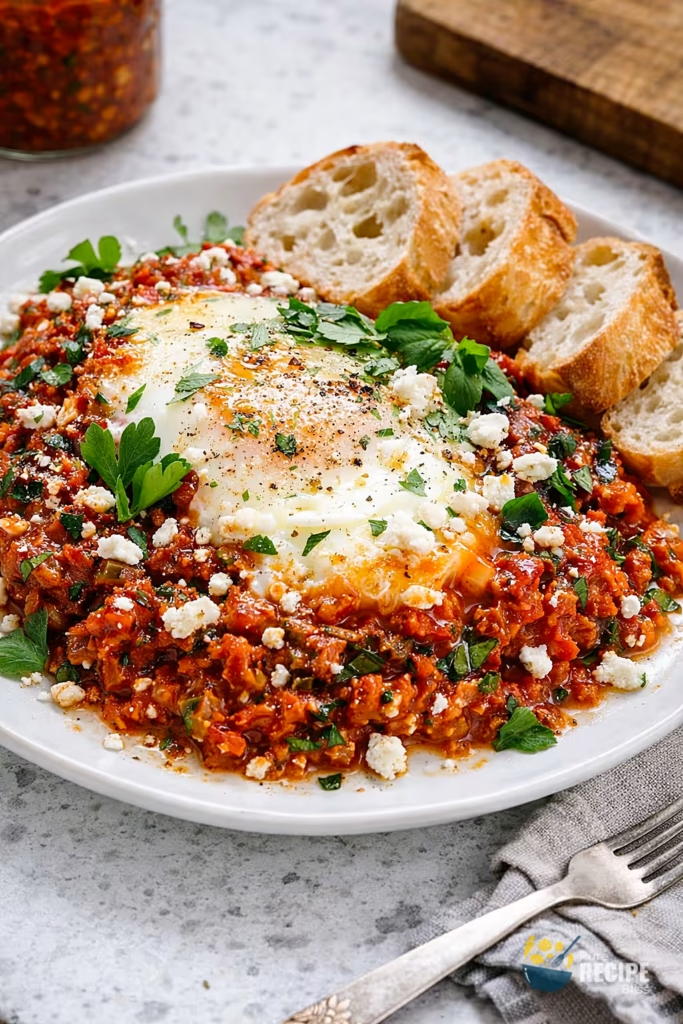
1. Serve with bread:
Shakshuka pairs really well with crusty bread or pita, because the sauce and eggs are easier to scoop up that way. I usually keep sourdough on hand since it holds up nicely.
2. Perfect for brunch:
This dish works great when you want something filling but not too heavy, so I often make it for weekend brunch with friends. It feels special without being complicated.
3. Pairs well with sides:
You can serve it alongside rice, lentils, or even roasted potatoes if you want to make the meal more complete. I’ve tried it with roasted sweet potatoes and it balanced the sauce nicely.
Storage & Reheating Tips:
- How long it keeps: The sauce part of shakshuka can stay fresh in the fridge for about four to five days, and I’ve even frozen it for a couple of months without losing flavor.
- Best storage method: I usually store just the sauce in an airtight container, because eggs don’t reheat well if they’re already cooked. Adding fresh eggs later makes it taste better.
- Simple reheating advice: Warm the sauce gently on the stove until it starts bubbling again, then crack in new eggs to cook. If you’re short on time, you can also microwave the sauce with a fresh egg, but I find the stove gives better texture.
Frequently Asked Questions (FAQ):
-
Can I substitute the harissa?
Yes, if you don’t have harissa you can use chili flakes with a little lemon juice. It won’t taste exactly the same, but it still gives heat and brightness.
-
Can I make shakshuka ahead of time?
You can prepare the sauce in advance and store it, but it’s better to add fresh eggs when you reheat. I’ve tried storing cooked eggs before and they lost the runny texture.
-
Why does my sauce feel watery?
If the sauce isn’t simmered long enough, it stays thin. I learned to wait until it looks thick and glossy before adding eggs, otherwise they don’t cook evenly.
-
Is shakshuka dairy‑free?
It can be if you skip the feta. I usually add extra herbs when leaving out cheese so the flavor still feels fresh.
-
Can I use fewer eggs?
Yes, you can add only as many eggs as you plan to eat right away. I often make the sauce with fewer eggs so I can add fresh ones the next day.
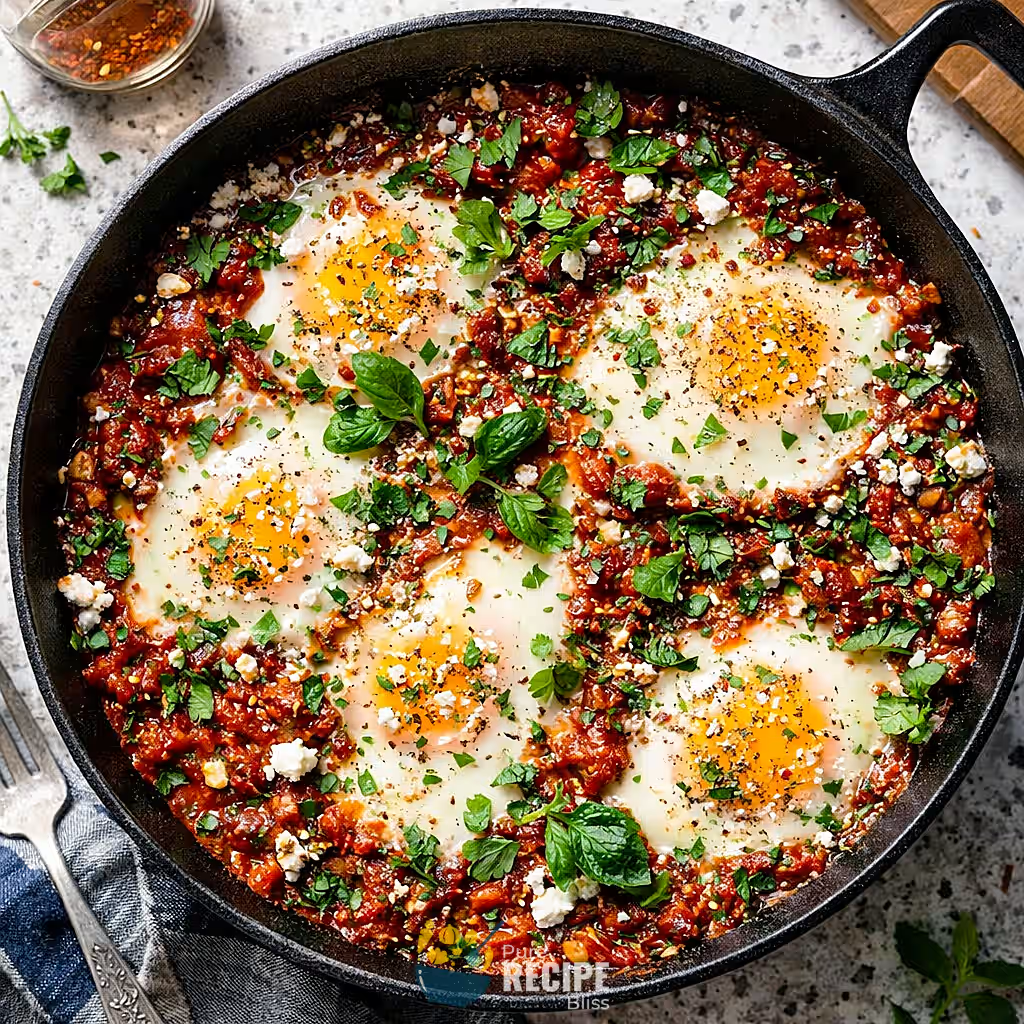
Shakshuka
Description
Shakshuka is a one‑pan dish where eggs are gently poached in a spiced tomato and pepper sauce. It’s cozy, flavorful, and versatile enough to serve for breakfast, brunch, or even dinner. I’ve tested this version at home, and the sauce comes out thick and smoky with just the right balance of heat and tang.
Ingredients
Instructions
- Heat 3 tbsp olive oil in a wide skillet over medium heat. Add 1 diced onion and both peppers (1 red, 1 green). Cook until softened and lightly golden, about 6-7 minutes.
- Stir in 5 minced garlic cloves, 1 tsp paprika, ¾ tsp smoked paprika, ½ tsp cumin, and ½ tsp coriander. Cook for 1 minute until fragrant.
- Add 1 can (26 oz) fire‑roasted crushed tomatoes and 1½ tbsp hot harissa paste. Simmer uncovered for 10-12 minutes until the sauce thickens and looks glossy.
- Fold in ½ cup crumbled feta cheese gently, leaving small chunks visible.
- Make 5 small wells in the sauce with a spoon. Crack 1 egg into each well. Cover the pan and cook on low heat until whites are set and yolks are slightly jiggly, about 6-8 minutes.
- Sprinkle ¼ cup fresh herbs and extra feta on top. Serve hot with crusty bread or pita.
Notes
- Stop cooking a little earlier if you prefer runny yolks, since residual heat continues cooking.
- Sauce can be made ahead and stored; add fresh eggs when reheating for best texture.
- If harissa isn’t available, chili flakes with lemon juice give a similar kick.
Nutrition Facts
Servings 5
Serving Size 1 portion with sauce and egg
- Amount Per Serving
- Calories 265kcal
- % Daily Value *
- Total Fat 18g28%
- Total Carbohydrate 14g5%
- Dietary Fiber 3g12%
- Sugars 6g
- Protein 13g26%
- Vitamin A 950 IU
- Vitamin C 22 mg
- Calcium 210 mg
- Iron 2.6 mg
- Vitamin D 55 IU
* Percent Daily Values are based on a 2,000‑calorie diet, and your daily needs may be higher or lower depending on your lifestyle. Nutrition information is shared only as a general estimate and may not always be fully accurate. If you follow a special diet or have specific health concerns, it’s best to check with a registered dietitian for personalized guidance.