
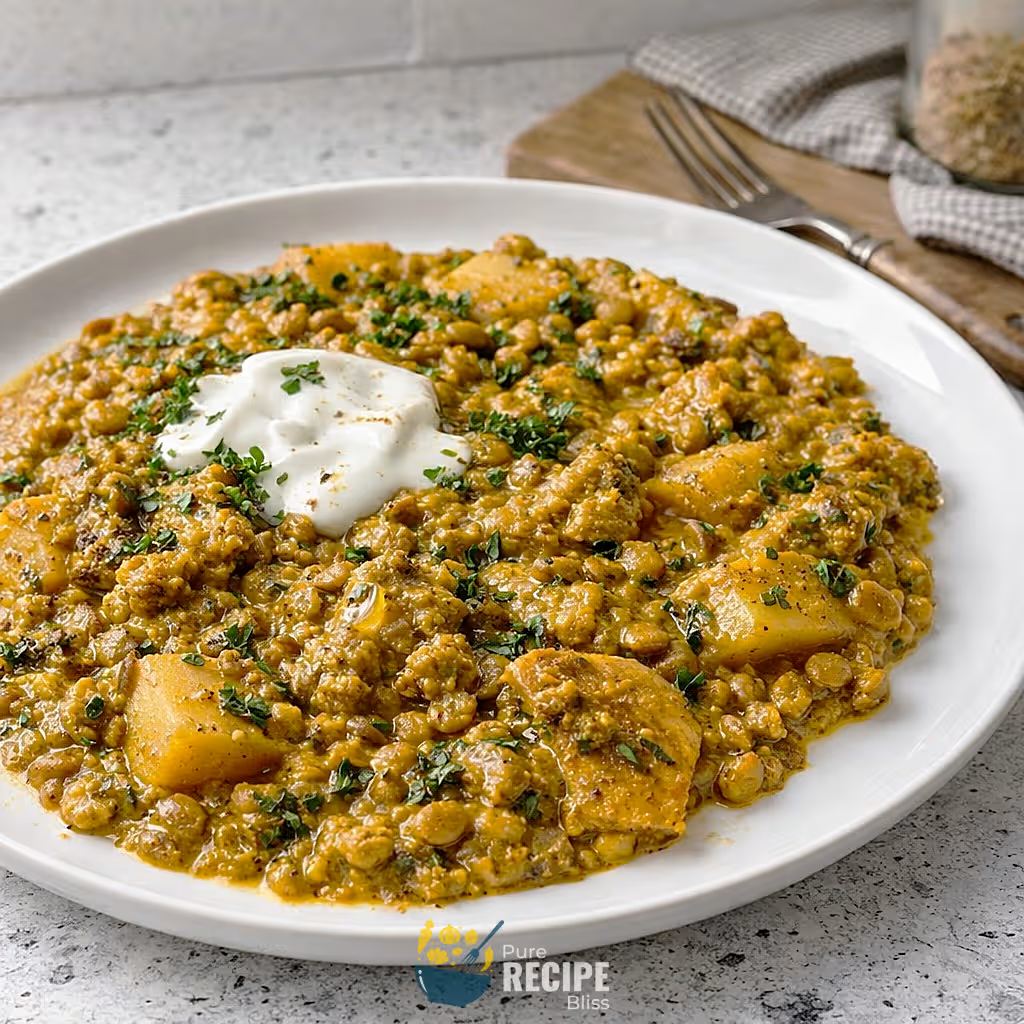
I’ve been looking for meals that don’t take too much effort but still feel filling, and that’s how I ended up making Instant Pot Lentil Curry. It’s one of those recipes where you can put things together quickly, let the pot do its job, and then enjoy a warm bowl without spending the whole evening cooking.
I usually think of it as a dinner option because it’s hearty enough to be the main thing on the table, but it also works for lunch if you want something satisfying that reheats well. That’s why I keep it in my rotation, and it’s worth talking about what Instant Pot Lentil Curry actually is.
What is Instant Pot Lentil Curry?
Instant Pot Lentil Curry is basically a comforting dish made with lentils, potatoes, coconut milk, and spices cooked together under pressure. The Instant Pot does most of the work, so you end up with tender lentils and a creamy sauce without standing at the stove for a long time.
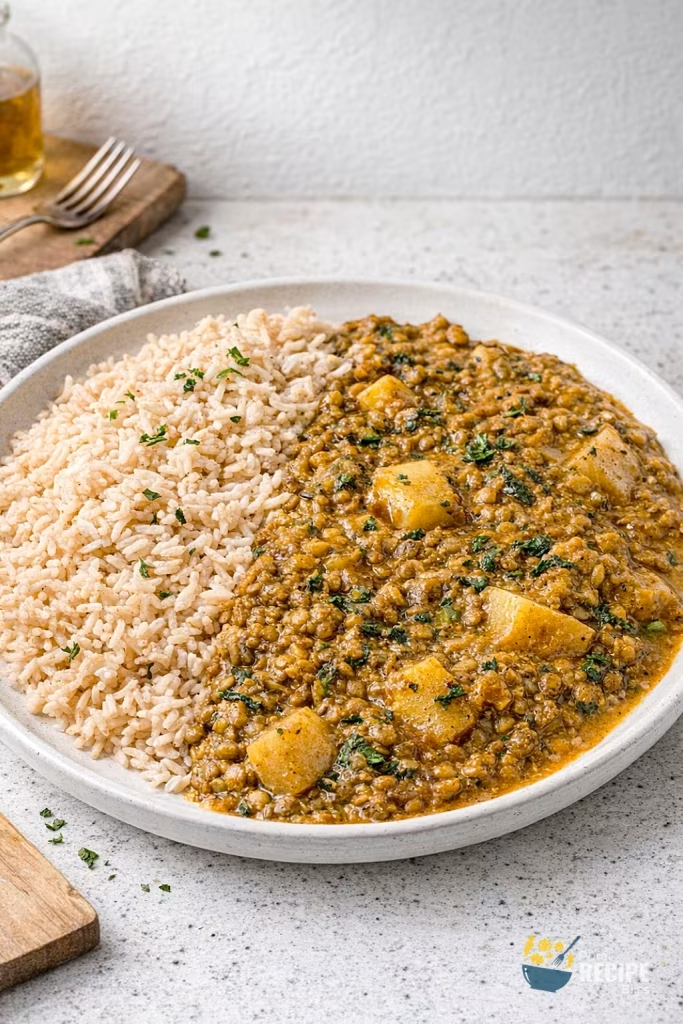
It’s usually eaten as a main meal, and most people serve it with rice or bread like naan because the curry has a thick texture that pairs well with something to soak it up. Since it’s plant-based, it fits nicely into a vegan or vegetarian routine, but honestly, it’s just a hearty option for anyone who wants a filling bowl of food.
In Indian-inspired cooking, lentils are a staple, and this version is a quicker way to enjoy those flavors without needing hours of simmering. That’s why I like making it when I want something flavorful but also practical.
Why You’ll Love This Recipe:
- Quick cooking time: Instant Pot Lentil Curry doesn’t take long at all, and once the pot is sealed, you can step away and let it finish on its own, which makes it feel very manageable.
- Comfort in a bowl: The mix of lentils, potatoes, and coconut milk turns into a creamy curry that feels filling and warm, so it’s the kind of dish that makes you feel satisfied without needing anything complicated.
- Easy to adjust: You can make it spicier with more cayenne, or keep it mild if that works better, and sometimes I swap half the potatoes for cauliflower when I want a lighter version.
- Good for leftovers: It reheats well, so you can cook once and have extra portions ready for lunch or dinner later in the week, which saves time and effort.
- Plant-based and versatile: Since it’s vegan, it fits into different diets, but even if you’re not following one, it’s just a practical way to enjoy lentils with flavor.
Ingredients Needed:

- Lentils: You’ll need dried brown or green lentils, and I usually rinse them before cooking. They hold their shape better than red lentils, so the curry doesn’t turn too mushy.
- Potatoes: I like using Yukon gold or baby potatoes because they stay soft but not too broken down. If you only have regular ones, those work fine too.
- Coconut milk: Full-fat canned coconut milk makes the curry creamy and rich. I tried light coconut milk once, but it didn’t taste as good, so I stick with the regular kind.
- Vegetable broth: This adds extra flavor compared to plain water. If you don’t have broth, water works, but I find the curry tastes deeper with broth.
- Garlic: Fresh garlic cloves are best. I once used garlic powder when I ran out, and it worked, but the flavor wasn’t as strong.
- Curry powder: This is the main spice blend. Different brands taste different, so I suggest trying a few until you find one you like.
- Garam masala: Added at the end, it gives a warm finish. I sometimes sprinkle a little extra on top before serving.
- Oil: Olive oil or coconut oil both work. I usually grab whichever I have on hand.
- Seasonings: Salt, black pepper, and cayenne pepper if you want heat. I keep cayenne optional because not everyone likes spicy food.
- Fresh herbs: Cilantro for garnish makes the dish look fresh and adds a nice flavor.
💡 Note: For the full ingredient list with exact amounts and measurements, please check the recipe card below.
Kitchen Gadgets & Tools You’ll Need:
- Instant Pot: This is the main tool since the recipe depends on pressure cooking. I use the 6-quart size instant pot, and it works well for family portions without feeling too crowded.
- Cutting board and knife: You’ll need these for chopping potatoes and garlic. I’ve noticed that cutting the potatoes into medium chunks helps them cook evenly without turning too soft.
- Measuring cups and spoons: These are useful for getting the right amount of lentils, broth, and spices. I sometimes eyeball the spices, but measuring keeps the flavor consistent. Check out the one I use.
- Wooden spoon or spatula: This helps when sautéing garlic and stirring the curry after cooking. I prefer a wooden spoon because it doesn’t scratch the pot.
- Serving bowls: Since the curry is thick and hearty, I like using deep bowls so it doesn’t spill over when serving with rice or bread.
- Storage containers: If you plan to save leftovers, airtight containers make it easier to refrigerate or freeze. I usually portion it out so I can reheat only what I need later.
Step-By-Step Instructions to Make Instant Pot Lentil Curry:
Garlic burns very quickly in the Instant Pot, so I always stay close during that first step. If it gets too dark, the whole curry tastes bitter, so keeping an eye on it makes a big difference.
Step 1: Sauté the Garlic
Start by turning on the sauté setting and adding a little oil with the minced garlic. Stir it around until you can smell the aroma and the garlic looks slightly golden. Don’t let it sit too long because it can burn fast.
Step 2: Add the Main Ingredients
Next, add the lentils, potatoes, broth, coconut milk, and curry powder. Mix everything gently so the spices coat the lentils and potatoes. The mixture should look creamy but still loose before cooking.
Step 3: Pressure Cook the Curry
Close the lid and set the Instant Pot to cook on high pressure. While it cooks, you don’t need to do anything, which is the part I like most. The lentils soften, and the potatoes absorb the flavor.
Step 4: Release and Stir
After cooking, let the pressure release naturally for a short while, then carefully open the valve. Stir in garam masala, salt, and pepper. The curry should look creamy, and the lentils should be tender but not falling apart.
Step 5: Taste and Adjust
Finally, taste the curry and adjust the seasoning. Sometimes I add a splash of broth if it feels too thick, or a pinch more cayenne if I want extra heat. The sauce should look glossy and smooth.
💡 Note: These steps are just an overview. For detailed quantities, measurements, and exact timings to make this recipe, please check the recipe card below.
Helpful Tips For The Best Results:
- Watch the garlic: Garlic burns very quickly, so keep stirring and don’t walk away. Burnt garlic makes the curry taste bitter.
- Check the texture: Lentils should be soft but not falling apart. If they look too firm, give them a little more cooking time.
- Control the heat: Curry powders vary a lot. If you’re not sure, start mild and add cayenne or chili flakes later so you don’t end up with too much spice.
- Swap smartly: Potatoes can be replaced with cauliflower or sweet potatoes. Both hold up well and change the flavor slightly without ruining the texture.
- Spice freshness: Curry powder loses flavor quickly, so smaller batches are better. I noticed old spices make the curry taste flat.
Tasty Variations to Try:
- Red lentils version: Use red lentils for a creamier curry. They cook faster and break down more, giving a smoother texture.
- Chickpea swap: Canned chickpeas work well instead of lentils. They hold their shape and make the curry feel a bit different but still hearty.
- Coconut-free option: If you don’t want coconut milk, you can use cashew cream or regular cream. It changes the flavor but keeps the curry rich.
- Seasonal twist: Add spinach or kale at the end for extra greens. I sometimes stir in frozen peas too, which add sweetness.
- Extra spice blend: Try adding smoked paprika or cumin for a deeper flavor. It gives the curry a slightly different profile without overpowering it.
- Low-carb idea: Skip the potatoes and serve the curry over cauliflower rice. It makes the dish lighter but still filling.
Serving Suggestions:
- Serve with rice: Instant Pot Lentil Curry pairs really well with basmati or brown rice because the curry is thick and the rice helps soak up the sauce.
- Add bread on the side: Naan, pita, or even simple flatbread works nicely for dipping into the curry and makes the meal feel more complete.
- Perfect for dinner gatherings: This dish is filling enough to serve as the main course when you have friends or family over, and it goes well with a light salad on the side.
- Pairs well with toppings: A spoonful of yogurt, fresh cilantro, or sliced green onions on top adds freshness and balances the richness of the curry.
Storage & Reheating Tips:
- Fridge storage: Instant Pot Lentil Curry keeps well in the refrigerator for about four to five days. I usually place it in airtight containers so the flavors stay fresh and the texture doesn’t change too much.
- Freezer option: If you want to save it longer, freezing works fine for up to a few months. I like portioning it into smaller containers so I can reheat only what I need later.
- Reheating method: When reheating, I usually warm it on the stove with a splash of broth or water because the curry thickens after sitting. The microwave works too, but stirring halfway helps keep the texture even.
Frequently Asked Questions (FAQ):
-
Can I use different lentils?
Yes, you can swap brown or green lentils for red lentils, but keep in mind red lentils cook faster and break down more, so the curry will be creamier.
-
Can I make it ahead of time?
Absolutely, Instant Pot Lentil Curry stores well in the fridge or freezer. I usually cook it the night before if I want easy lunches for the week.
-
Why are my lentils still firm?
Sometimes lentils need a little extra cooking time. If they look undercooked, just add a few more minutes under pressure or simmer briefly on the stove.
-
Is it dairy-free and vegan?
Yes, since it uses coconut milk instead of cream, it’s naturally dairy-free and vegan-friendly.
-
Can I skip the potatoes?
You can leave them out or replace them with cauliflower or sweet potatoes. Both substitutions work well and change the flavor slightly without affecting the texture too much.
Instant Pot Lentil Curry
This is a creamy, hearty curry made with lentils, potatoes, coconut milk, and spices cooked in the Instant Pot. It’s quick to prepare, easy to store, and works well for dinner or lunch when you want something filling without spending too much time cooking.
Ingredients
- 1 tablespoon olive oil or coconut oil
- 4 cloves garlic, minced
- 2 medium potatoes, cut into chunks
- 1 cup dried brown or green lentils, rinsed
- 2 cups vegetable broth
- 1 can full-fat coconut milk
- 1 tablespoon curry powder
- ½ teaspoon garam masala
- Salt and black pepper, to taste
- Cayenne pepper, optional
- Fresh cilantro, for garnish
Instructions
- Turn on the Instant Pot to sauté mode, add 1 tablespoon olive oil or coconut oil, and stir in 4 cloves minced garlic until lightly golden.
- Add 1 cup rinsed lentils, 2 medium potatoes cut into chunks, 2 cups vegetable broth, 1 can full-fat coconut milk, and 1 tablespoon curry powder. Mix gently so everything is combined.
- Close the lid, lock it, and set the Instant Pot to high pressure for 10 minutes.
- Allow natural release for 10 minutes, then carefully open the valve to release any remaining pressure.
- Stir in ½ teaspoon garam masala, salt, and black pepper. Adjust seasoning with cayenne pepper if you prefer more heat.
- Garnish with fresh cilantro and serve hot with rice or bread.
Notes
Nutrition Information
Yield 6 Serving Size 1 bowlAmount Per Serving Calories 379Total Fat 19gSaturated Fat 15gTrans Fat 0gUnsaturated Fat 4gCholesterol 0mgSodium 331mgCarbohydrates 42gNet Carbohydrates 26gFiber 16gSugar 4gSugar Alcohols 0gProtein 13g
Percent Daily Values are based on a 2,000‑calorie diet, and your daily needs may be higher or lower depending on your lifestyle. Nutrition information is shared only as a general estimate and may not always be fully accurate. If you follow a special diet or have specific health concerns, it’s best to check with a registered dietitian for personalized guidance.