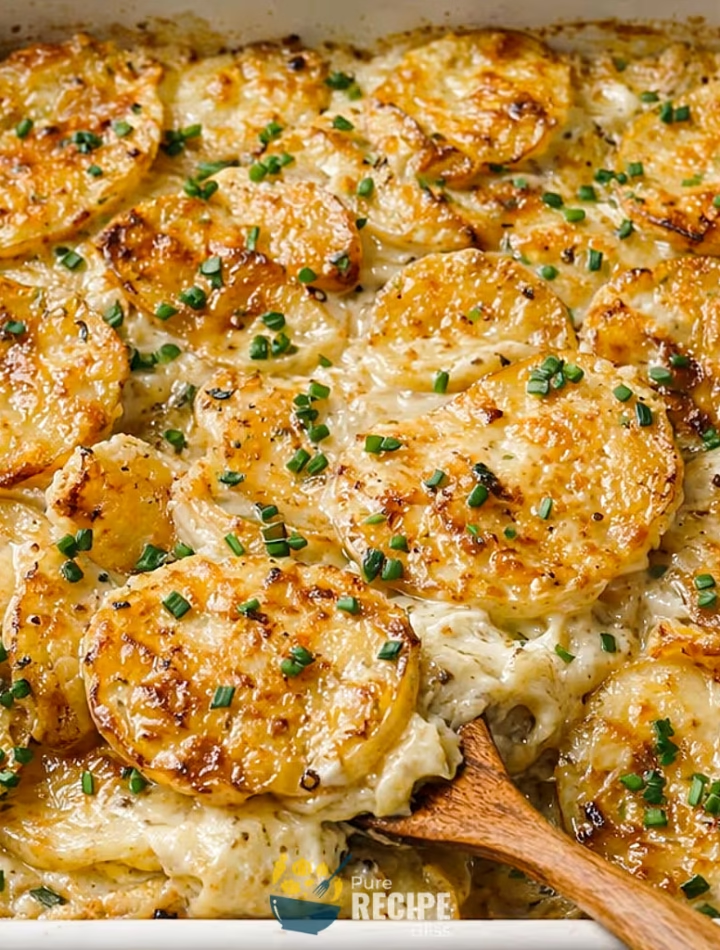
I’ve been making scalloped potatoes for a while, but doing them on a sheet pan has really changed the way I cook this dish. It feels quicker to prepare because you don’t have to fuss with a deep casserole, and the cleanup is easier too.
This recipe works well when you want something cozy for dinner, but I’ve also served it at lunch with a lighter main and it fit right in. It’s the kind of side that doesn’t take too much planning, yet it still feels special enough to put on the table when friends or family come over.
What is Sheet Pan Scalloped Potatoes?
Sheet Pan Scalloped Potatoes is basically a twist on the traditional scalloped potato dish. Instead of stacking the slices in layers inside a baking dish, you spread them out on a sheet pan so they cook more evenly. That way, every piece gets a mix of creamy sauce and crisp edges.
It’s most often served as a side dish at dinner, especially with roasted meats or holiday meals, but it can also show up at lunch when you want something filling. The sheet pan method keeps the texture balanced and makes the whole dish easier to share, since everyone gets their fair share of crispy bites.
Why You’ll Love This Recipe:
- Balanced texture: Every slice of potato gets both creamy sauce and crispy edges, so you don’t have to fight over the corners like with a casserole dish.
- Quick to prepare: The steps are straightforward, and once everything is layered on the sheet pan, the oven does most of the work without much attention needed.
- Easy to adjust: You can swap cheeses, change herbs, or even use a different type of potato depending on what you have at home, and it still turns out tasty.
- Works for different meals: I usually serve it at dinner as a side, but I’ve also made it for lunch when I wanted something filling, and it fit perfectly.
- Family‑friendly: Because the sheet pan method spreads everything out, everyone gets their fair share of crispy bites, which makes it easier to please a group.
- Personal note: I once tried skipping the foil step to save time, but the top browned too quickly while the inside stayed firm, so covering first really makes a difference.
Ingredients Needed:
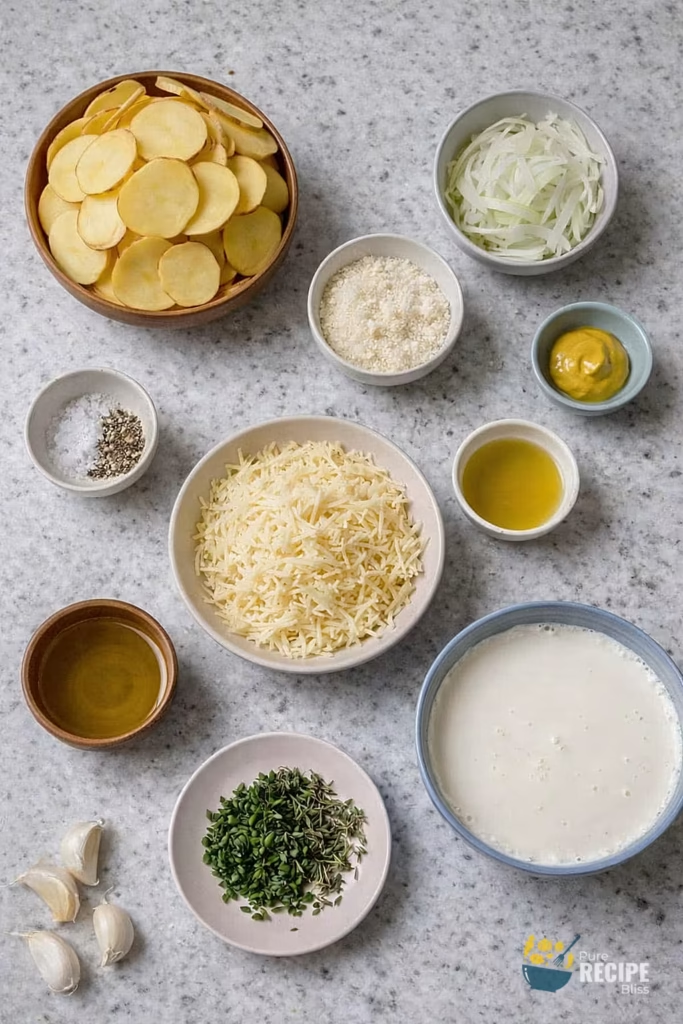
- Potatoes: Yukon Gold potatoes work best because they hold their shape and have a creamy texture, but russet potatoes can be used if that’s what you have at home.
- Cheese: Gruyère gives a smooth melt and nutty flavor, while Parmesan adds sharpness. I’ve tried swapping Gruyère with cheddar once, and although it was stronger in taste, it still worked fine.
- Cream and flavor base: Heavy cream mixed with sautéed onion, garlic, and Dijon mustard makes the sauce rich and flavorful. I noticed that simmering it gently instead of boiling keeps the sauce from splitting.
- Herbs and seasoning: Fresh thyme or rosemary adds a nice aroma, and salt and pepper balance everything. Chives sprinkled at the end give a fresh finish.
- Olive oil: A light coating on the sheet pan prevents sticking and helps the potatoes crisp up. I once skipped this step and had a few slices stick, so it’s worth doing.
- Optional tweaks: You can add a pinch of paprika for color or swap in different herbs depending on what you like. It’s flexible enough to adjust without losing the creamy and crispy balance.
💡 Note: For the full ingredient list with exact amounts and measurements, please check the recipe card below.
Step-By-Step Instructions to Make Sheet Pan Scalloped Potatoes:
Do you know drying the potato slices really matters. The first time I skipped it, the slices steamed instead of crisping, and the texture wasn’t as good. So now I always take a minute to pat them dry before layering.
Step 1: Make the sauce
Start by cooking the onion in a little olive oil until it softens and smells sweet, then add the garlic. Stir in the cream, Dijon, and herbs, and let it simmer gently. The sauce should look glossy and smooth, not separated.
Step 2: Prepare the potatoes
Slice the potatoes thinly and pat them dry with paper towels. Spread half of them on the sheet pan in a single layer, just touching but not stacked. Sprinkle with cheese, then add the rest of the potatoes on top.
Step 3: Add the sauce and cheese
Pour the cream mixture evenly over the potatoes, using a spatula to spread it so every slice gets coated. Sprinkle the remaining cheese over the top. The mixture should look creamy and slightly thick, not watery.
Step 4: Bake covered first
Cover the pan with foil and bake until the potatoes soften. This step helps the inside cook through without the top browning too fast.
Step 5: Bake uncovered for crisp edges
Remove the foil and continue baking until the cheese turns golden and bubbly. The edges should look crisp, and the center should be tender when pierced with a fork.
Step 6: Rest and garnish
Let the potatoes sit for a few minutes before serving so the sauce thickens slightly. Sprinkle fresh chives on top for a bit of color and freshness.
💡 Note: These steps are just an overview. For detailed quantities, measurements, and exact timings to make this recipe, please check the recipe card below.
Helpful Tips For The Best Results:
- Dry the potatoes: Patting the slices dry before layering helps them crisp instead of steaming, which makes a big difference in texture.
- Control the heat: Keep the sauce at a gentle simmer rather than boiling hard, because boiling can cause the cream to split and look grainy.
- Cover first, uncover later: Baking with foil at the start lets the potatoes soften inside, and removing it later gives you the golden, bubbly top.
- Cheese swaps that work: Gruyère melts smoothly, but if you don’t have it, cheddar or mozzarella can be used. Just know cheddar gives a stronger flavor, while mozzarella is milder.
- Spacing matters: Don’t stack the slices too tightly. Leaving a little room helps the edges crisp up evenly.
Tasty Variations to Try:
- Herb variation: Swap thyme for rosemary or even sage if you want a different aroma.
- Cheese variation: Try sharp cheddar for a bolder taste or mix in mozzarella for extra stretch.
- Garlic lovers: Add roasted garlic instead of fresh for a sweeter, mellow flavor.
- Dietary option: Use a lighter cream or even milk with a bit of flour to thicken if you want less richness.
- Seasonal idea: Add thin slices of zucchini or sweet potato along with the potatoes for a colorful twist.
- Spice variation: Sprinkle paprika or chili flakes on top before baking if you like a little heat.
Serving Suggestions:
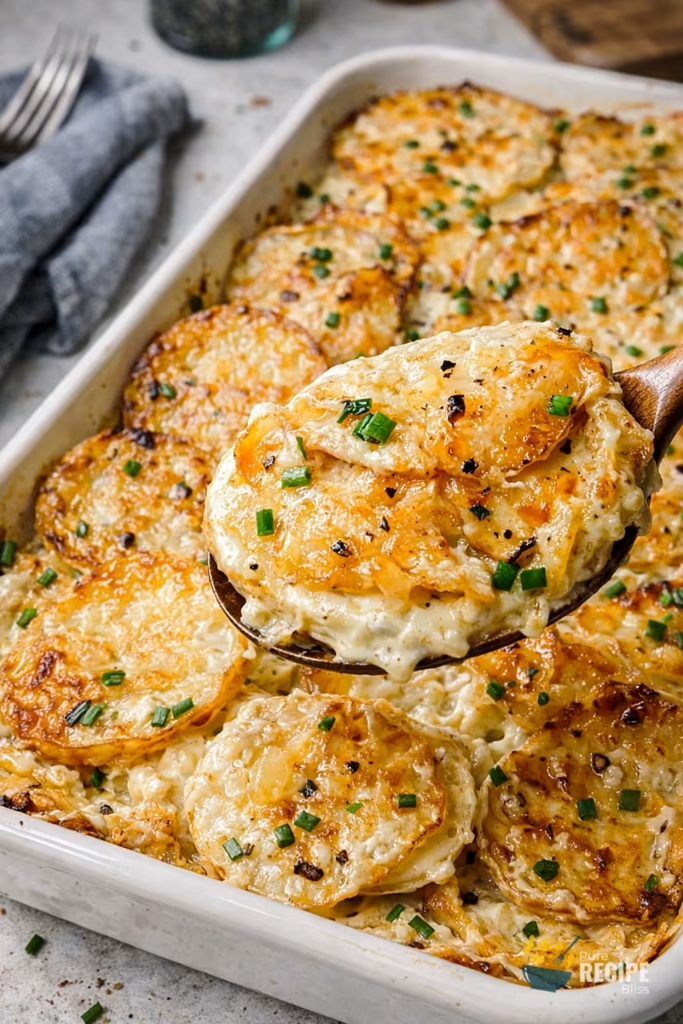
1. Dinner side:
Serve with roasted chicken or grilled steak, because the creamy potatoes balance nicely with a simple protein.
2. Holiday table:
Perfect for gatherings like Thanksgiving or Christmas, since everyone gets their share of crispy edges without fighting over corners.
3. Light pairing:
Pairs well with a fresh salad or steamed vegetables, which helps balance the richness of the cheese and cream.
4. Casual lunch:
I’ve also made it for lunch alongside a sandwich, and it worked surprisingly well as a filling side.
Personal note: I once paired it with baked salmon, and the mix of flavors felt lighter but still satisfying.
Storage & Reheating Tips:
- How long it keeps: Sheet Pan Scalloped Potatoes usually stay good for about three to four days in the fridge, as long as they are stored properly.
- Best storage method: Let the potatoes cool completely, then transfer them into an airtight container. I once skipped cooling and ended up with condensation that made the top soggy.
- Simple reheating advice: Reheat in the oven at a lower temperature with foil on top to keep the texture creamy. For small portions, I sometimes use a skillet instead of the microwave, because it brings back the crisp edges better.
Frequently Asked Questions (FAQ):
-
Can I use a different cheese?
Yes, you can swap Gruyère with cheddar or mozzarella. Cheddar gives a stronger flavor, while mozzarella is milder and more stretchy.
-
Can I make it ahead of time?
You can assemble the potatoes and sauce a day before, keep them covered in the fridge, and then bake fresh when you’re ready to serve.
-
Why are my potatoes not soft enough?
Usually it’s because the foil step was skipped. Covering first helps the inside cook through before browning the top.
-
Is there a lighter option?
You can use milk with a little flour instead of heavy cream, but the sauce will be less rich.
-
Can I add other vegetables?
Yes, thin slices of zucchini or sweet potato can be layered in for extra color and flavor.
Sheet Pan Scalloped Potatoes
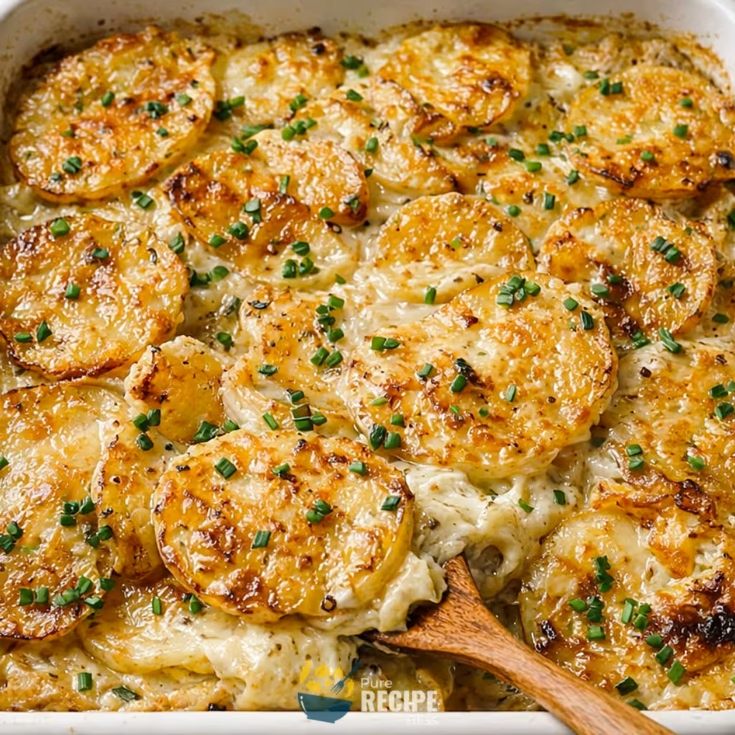
Sheet Pan Scalloped Potatoes is a creamy and cheesy potato side dish baked flat on a sheet pan so every slice gets both crispy edges and tender insides. It’s simple to prepare, works well for family dinners or holidays, and reheats nicely for leftovers.
Ingredients
- 3 pounds Yukon Gold potatoes, scrubbed and sliced 1/8 inch thick
- 2 cups Gruyère cheese, shredded
- ½ cup Parmesan cheese, grated
- 2 cups heavy cream
- 1 medium yellow onion, finely sliced
- 3 cloves garlic, minced
- 1 tbsp Dijon mustard
- 1 tbsp fresh thyme leaves (or rosemary)
- 2 tbsp olive oil
- 1 tsp kosher salt
- ⅓ tsp black pepper, freshly ground
- 1 tbsp fresh chives, thinly sliced
Instructions
- Preheat oven to 450°F and lightly grease a sheet pan with 2 tbsp olive oil.
- In a saucepan, sauté 1 medium onion in the olive oil until soft, then add 3 minced garlic cloves. Stir in 2 cups heavy cream, 1 tbsp Dijon mustard, 1 tbsp thyme, 1 tsp salt, and ⅓ tsp black pepper. Simmer gently for 2 minutes.
- Pat 3 pounds of sliced potatoes dry with paper towels. Arrange half on the sheet pan in a single layer. Sprinkle with 1 cup Gruyère and ¼ cup Parmesan.
- Add the remaining potatoes on top. Pour the cream mixture evenly over the slices. Spread with a spatula. Sprinkle the remaining 1 cup Gruyère and ¼ cup Parmesan over the top.
- Cover pan with foil and bake for 40 minutes. Remove foil and bake uncovered for 15-20 minutes until golden and bubbling.
- Rest for 5 minutes before serving. Garnish with 1 tbsp fresh chives.
Notes
Nutrition Information
Yield 8 Serving Size 1 portion (approx. 1/8 of recipe)Amount Per Serving Calories 398Total Fat 27gSaturated Fat 15gUnsaturated Fat 9gCholesterol 73mgSodium 427mgCarbohydrates 34gNet Carbohydrates 30gFiber 4gSugar 4gProtein 7g
Percent Daily Values are based on a 2,000‑calorie diet, and your daily needs may be higher or lower depending on your lifestyle. Nutrition information is shared only as a general estimate and may not always be fully accurate. If you follow a special diet or have specific health concerns, it’s best to check with a registered dietitian for personalized guidance.