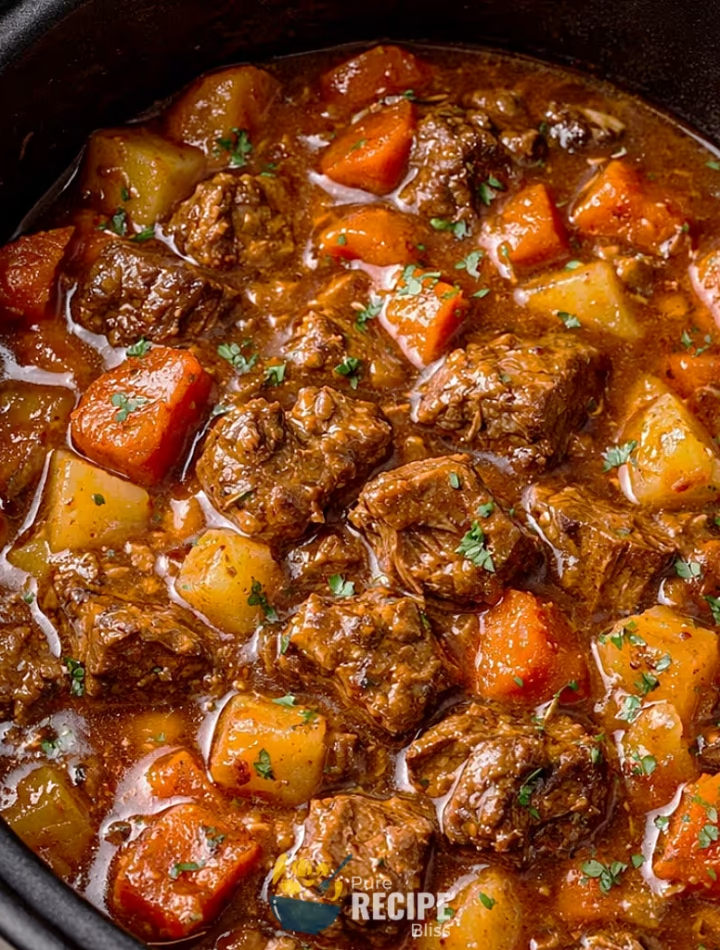
I’ve been making Crockpot Beef Stew on days when I don’t want to spend hours in the kitchen but still want something filling for dinner. The nice part is that once you get the ingredients ready, the slow cooker does the rest while you go about your day. It’s the kind of meal that feels homemade without needing constant attention, and it’s especially handy when you want a warm dish waiting for you in the evening.
What is Slow Cooker Beef Stew?
Crockpot Beef Stew is basically a slow‑cooked meal where chunks of beef, potatoes, carrots, and a few other vegetables simmer together for hours until everything turns tender and flavorful. The long cooking time lets the meat soften and the broth become rich, so you end up with a dish that feels hearty without needing complicated steps.
It’s usually served as a main course for dinner since it’s filling enough on its own, but you can add bread or a simple salad on the side if you like. People often make it when they want a warm, homemade meal that can cook quietly in the background while they go about their day.
Why You’ll Love This Recipe:
- Easy prep: You don’t have to spend much time in the kitchen because once the beef and veggies are ready, the slow cooker takes care of the rest while you do other things.
- Tender beef: The long cooking time makes the beef really soft, and it feels nice to eat because it doesn’t turn chewy or tough.
- Hearty meal: Since it has beef, potatoes, carrots, and broth, it fills you up without needing extra sides, though bread or salad can be added if you want.
- Reliable results: I’ve noticed that even if I don’t measure everything perfectly, the stew still turns out tasty, which makes it less stressful to cook.
- Flexible add‑ins: You can toss in peas, swap potatoes, or even add a splash of wine, so it’s easy to adjust depending on what you have at home.
- Great for leftovers: It keeps well in the fridge and freezer, so you can make it once and enjoy it for a few more meals without extra effort.
Ingredients Needed:
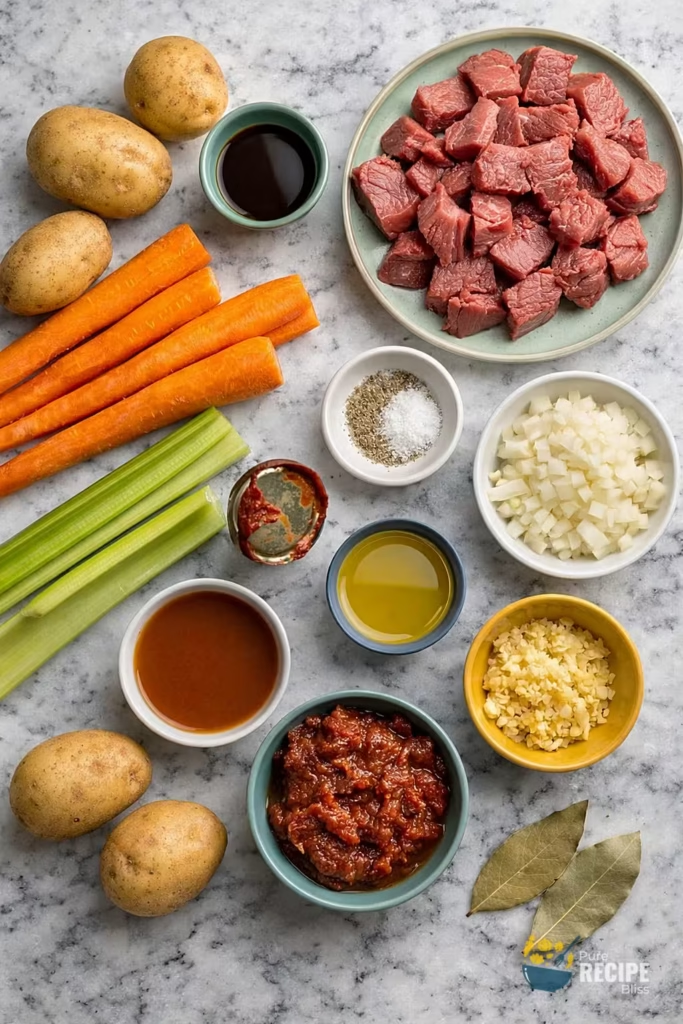
- Beef cubes: You’ll want beef that has some marbling because it cooks down tender after hours in the slow cooker, and I’ve noticed lean cuts don’t give the same texture.
- Olive oil: A little oil helps with browning the meat in the pan first, and that step adds flavor that you can taste later in the stew.
- Onion and garlic: These two give the base flavor, and I usually chop the onion a bit bigger so it doesn’t disappear after cooking all day.
- Potatoes and carrots: Cut them into larger chunks because smaller pieces break down too much, and I’ve found Yukon gold potatoes hold up better than russets.
- Celery sticks: They add a mild flavor and a bit of texture, and I like including them because they balance the sweetness of carrots.
- Beef broth: This is what makes the stew rich, and I sometimes replace part of it with red wine when I want a deeper taste.
- Tomato paste: It gives a concentrated flavor, and I’ve learned that using too much can make it too tangy, so a small amount works best.
- Worcestershire sauce: This adds a savory depth, and I think it’s one of those ingredients that makes the stew taste like it cooked longer than it did.
- Salt and pepper: Be generous here because the stew has a lot of liquid, and seasoning helps everything taste balanced.
- Bay leaves: They add aroma, but I always make sure mine are fresh because old ones don’t give much flavor.
- Cornstarch (optional): If you like a thicker stew, mix it with water and stir it in near the end, though sometimes I skip it if I want a lighter broth.
💡 Note: For the full ingredient list with exact amounts and measurements, please check the recipe card below.
Step-By-Step Instructions to Make Slow Cooker Beef Stew:
You know searing the beef really does change the flavor. I once skipped it to save time, and the stew tasted much less rich, so now I always make sure to do that part.
Step 1: Brown the beef
Start by heating a little oil in a skillet and add the beef cubes in batches. Don’t crowd the pan because then the meat steams instead of browns. You want the outside to look golden and slightly crisp because that adds flavor later. Transfer the browned beef and any juices into the slow cooker.
Step 2: Cook onion and garlic
In the same skillet, add the chopped onion and let it soften until it looks translucent. Then stir in the garlic for just a short time so it doesn’t burn. This step builds a base flavor that makes the stew taste deeper. Move everything into the slow cooker with the beef.
Step 3: Add vegetables and liquids
Place the potatoes, carrots, and celery into the slow cooker. Pour in the broth, add tomato paste, Worcestershire sauce, salt, and pepper. Stir everything gently so the flavors mix together. Nestle the bay leaves on top so they can release their aroma during cooking.
Step 4: Slow cook until tender
Cover the slow cooker and let it cook on low heat for several hours. The beef should become soft enough to break apart easily with a fork, and the broth should look rich and slightly glossy. This is when the flavors really come together.
Step 5: Optional thickening
If you prefer a thicker stew, mix cornstarch with cold water and stir it into the pot near the end. Let it cook a little longer until the sauce looks thicker and coats the vegetables. I sometimes skip this if I want a lighter broth.
Step 6: Taste and adjust
Before serving, taste the stew and adjust the seasoning if needed. Sometimes I add a little more salt or pepper at the end because the flavors settle during cooking.
💡 Note: These steps are just an overview. For detailed quantities, measurements, and exact timings to make this recipe, please check the recipe card below.
Helpful Tips For The Best Results:
- Cut vegetables larger: If you cut potatoes or carrots too small, they break down too much during the long cooking time, so bigger chunks hold their shape better.
- Brown the beef properly: Don’t rush the searing step because it adds flavor. If the pan is overcrowded, the beef steams instead of browns, so cook in smaller batches.
- Watch the seasoning: Since the stew has a lot of liquid, salt and pepper can feel weaker after cooking. Taste at the end and adjust so it doesn’t turn bland.
- Bay leaves matter: Old bay leaves lose flavor, so I always use fresh ones. It makes a noticeable difference in aroma.
- Broth swaps: If you don’t have beef broth, chicken broth works in a pinch, though the flavor will be lighter. I’ve tried it once and it still tasted good.
Tasty Variations to Try:
- Red wine addition: Replace part of the broth with red wine for a deeper, richer flavor.
- Peas for color: Add frozen peas near the end of cooking for a fresh pop of green.
- Herb twist: A little thyme or Italian seasoning changes the flavor profile without much effort.
- Potato swap: Use red potatoes if you don’t have Yukon golds, since they hold shape better than russets.
- Dietary option: If you want less meat, reduce the beef and add more vegetables like mushrooms or parsnips.
- Seasonal idea: In colder months, I sometimes add turnips or parsnips for extra earthiness, while in summer I keep it lighter with fewer root vegetables.
Serving Suggestions:
1. Dinner time:
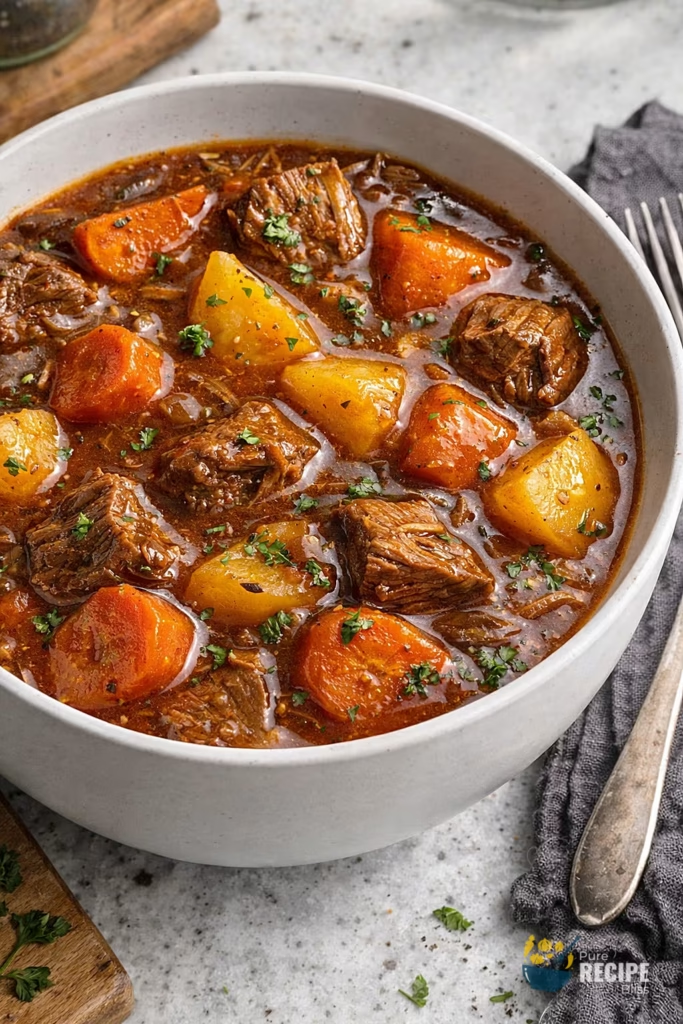
Crockpot Beef Stew works best as a main dish for dinner because it’s filling and satisfying after a long day.
2. Serve with bread:
It pairs well with crusty bread, cornbread, or even garlic bread since those soak up the broth nicely.
3. Add a salad:
A simple green salad with light dressing balances the richness of the stew and makes the meal feel complete.
4. Family meal:
It’s perfect for serving at family gatherings or casual weekends when you want something warm and easy to share.
5. Comfort pairing:
I sometimes serve it with mashed potatoes on the side, and it makes the whole meal extra cozy.
Storage & Reheating Tips:
- Fridge storage: Crockpot Beef Stew keeps well in the refrigerator for a few days, and I usually place it in airtight containers so the flavors don’t mix with other foods.
- Freezer option: It freezes nicely for a couple of months, and I like portioning it into smaller containers so reheating is easier later.
- Reheating method: Warm it slowly on the stove over low heat, stirring now and then, or use the microwave if you’re short on time. Adding a splash of broth or water helps bring back the right texture.
Frequently Asked Questions (FAQ):
-
Can I use a different cut of beef?
Yes, you can swap beef cubes with chuck roast or even short ribs. Just make sure the meat has some fat because lean cuts don’t turn out as tender.
-
Can I make Crockpot Beef Stew ahead of time?
Absolutely, you can prepare the ingredients the night before and keep them in the fridge. In the morning, just add everything to the slow cooker and start cooking.
-
Why does my stew feel too thin?
If the broth looks watery, you can stir in a cornstarch slurry near the end or let it cook uncovered for a short while to reduce.
-
Can I make it lighter for dietary reasons?
Yes, you can reduce the beef and add more vegetables like mushrooms or parsnips. It still tastes hearty but with less meat.
-
What if I don’t have Worcestershire sauce?
You can use soy sauce or a splash of balsamic vinegar as a substitute. The flavor won’t be identical, but it still adds depth.
Slow Cooker Beef Stew
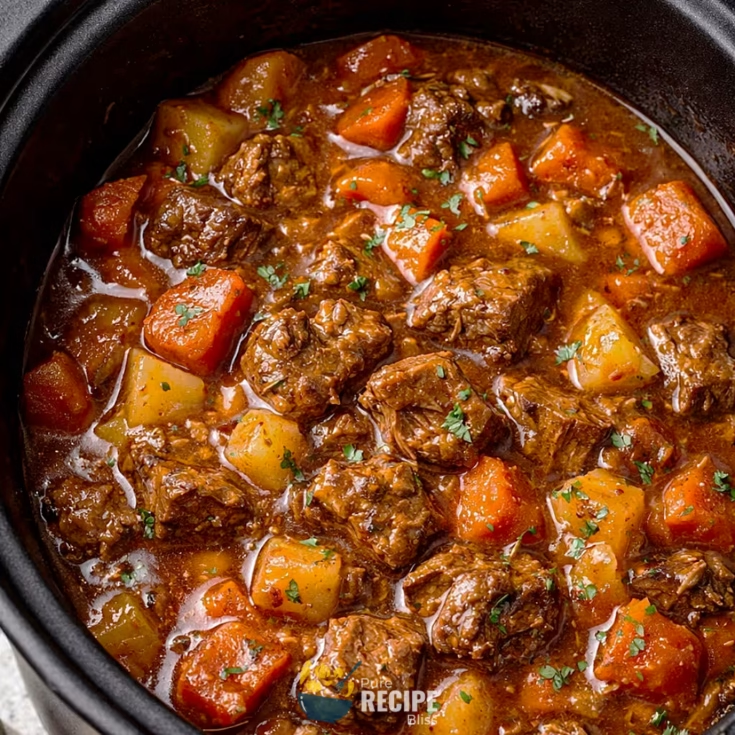
This Crockpot Beef Stew is a cozy slow‑cooked dinner made with tender beef, chunky vegetables, and a rich broth. It’s simple to prepare, reliable for family meals, and perfect for cold evenings when you want something hearty without much effort.
Ingredients
- 1.8 pounds beef chuck, cut into cubes
- 2 tablespoons olive oil, divided
- 1 medium onion, chopped
- 5 cloves garlic, minced
- 4 large carrots, peeled and cut into chunks
- 1 pound red potatoes, diced into larger pieces
- 3 celery sticks, chopped
- 3 cups beef broth
- 5 ounces tomato paste
- 1 tablespoon Worcestershire sauce
- 1 teaspoon salt
- ½ teaspoon black pepper
- 2 bay leaves
- 1½ tablespoons cornstarch (optional, for thickening)
Instructions
- Heat 1 tablespoon olive oil in a skillet and brown half of the 1.8 pounds beef chuck cubes until golden. Transfer to the slow cooker, then repeat with the remaining oil and beef.
- In the same skillet, sauté 1 medium onion until softened, then add 5 minced garlic cloves for about 30 seconds. Transfer into the slow cooker.
- Add 4 carrots (chunked), 1 pound red potatoes (diced), and 3 celery sticks (chopped) into the slow cooker. Pour in 3 cups beef broth, stir in 5 ounces tomato paste, and add 1 tablespoon Worcestershire sauce, 1 teaspoon salt, and ½ teaspoon black pepper. Mix gently.
- Place 2 bay leaves on top, cover, and cook on low for 9–10 hours until beef is tender and vegetables are soft.
- If you prefer a thicker stew, mix 1½ tablespoons cornstarch with 2 tablespoons cold water and stir into the stew during the last 15 minutes.
- Taste and adjust seasoning before serving.
Notes
Nutrition Information
Yield 6 Serving Size 1½ cupsAmount Per Serving Calories 420Total Fat 18gSaturated Fat 7gUnsaturated Fat 11gCholesterol 95mgSodium 720mgCarbohydrates 32gNet Carbohydrates 27gFiber 5gSugar 6gProtein 34g
Percent Daily Values are based on a 2,000‑calorie diet, and your daily needs may be higher or lower depending on your lifestyle. Nutrition information is shared only as a general estimate and may not always be fully accurate. If you follow a special diet or have specific health concerns, it’s best to check with a registered dietitian for personalized guidance.