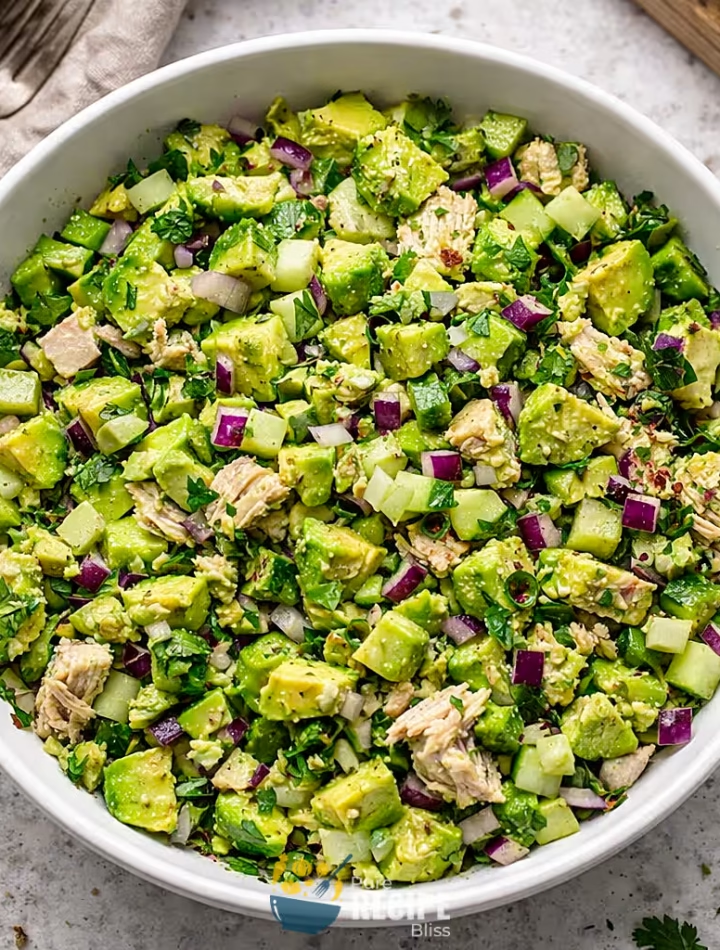
I’ve been looking for something quick to make when I don’t feel like reheating leftovers, and avocado tuna salad has turned into one of those go‑to recipes. It doesn’t take much time at all, and I can usually pull it together in about ten minutes without stressing over the steps.
It’s the kind of dish that works best for lunch because it’s filling but not heavy, though I’ve also had it as a light dinner when I wanted something easy. It feels fresh, it’s satisfying, and it’s nice to have a recipe that doesn’t require a lot of planning before you start.
What is Avocado Tuna Salad?
Avocado tuna salad is basically a mix of flaked tuna and diced avocado with a few crunchy vegetables added in. The avocado takes the place of mayonnaise, so the texture is creamy but feels lighter and fresher.
It’s usually eaten as a quick meal, and you can serve it in different ways depending on what you have at home. Some people like it on bread or toast, others scoop it into lettuce cups, and it also works well as a dip with chips.
There isn’t really a cultural story behind it, but it has become popular because it’s fast to make and gives you a good balance of protein and healthy fats. It’s one of those recipes that fits easily into everyday cooking without much planning.
Why You’ll Love This Recipe:
- Quick to make: It really does come together in about ten minutes, and that includes chopping the veggies, so it’s one of those recipes you can make even when you’re short on time.
- Balanced and filling: The tuna gives you protein, and the avocado adds healthy fats, so you end up with a meal that actually keeps you satisfied instead of leaving you hungry an hour later.
- Easy to change up: I’ve tried swapping in chicken once when I didn’t have tuna, and it worked just fine, so you can adjust the protein or add extra veggies depending on what’s in your fridge.
- Works for different meals: I usually make it for lunch, but I’ve also had it for dinner with toast or even as a dip with chips, so it’s flexible enough to fit into whatever you’re in the mood for.
- Fresh flavor every time: The lemon juice really helps keep the avocado bright and adds a little tang, and I’ve noticed it makes the salad taste less heavy, which is nice when you want something light but still satisfying.
Ingredients Needed:
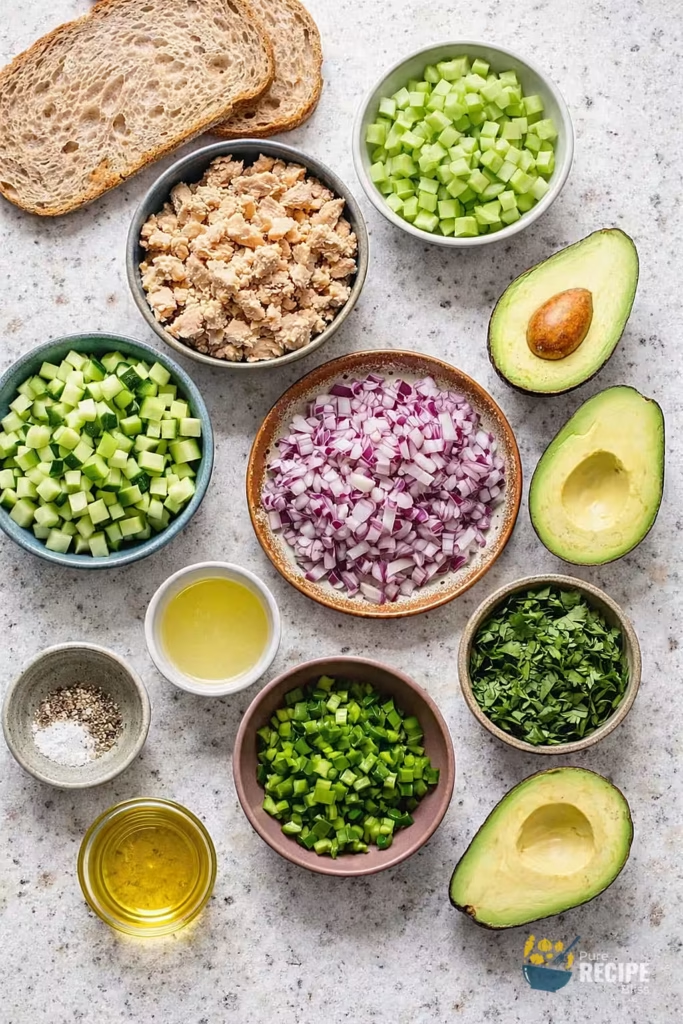
- Avocados: These give the salad its creamy texture, and I’ve noticed that slightly firm avocados hold their shape better when mixed in. If they’re too soft, the salad turns more into a spread, which can still be nice on toast.
- Tuna: I usually go with canned tuna in water because it feels lighter, but tuna in oil works too if you want a richer flavor. Just make sure to drain it well so the salad doesn’t get soggy.
- Red onion: This adds a little sharpness and color. I dice it small because big chunks can be too strong, and I’ve learned that a little goes a long way here.
- Cucumber and celery: Both add crunch and freshness. I like to keep the pieces small so they mix evenly, otherwise they can feel too chunky compared to the avocado.
- Cilantro: This gives the salad brightness. If you’re not a fan, you can skip it, but I think it makes the flavor more complete.
- Jalapeños (optional): I add them when I want a bit of heat, but sometimes I leave them out if I’m serving it to others. They do add crunch, so even without the spice, they’re nice to include.
- Lemon juice: Fresh lemon juice keeps the avocado from browning and adds a tangy taste. I’ve tried lime before, and it works just as well if that’s what you have.
- Olive oil: A small drizzle helps everything blend together. I don’t add too much because the avocado already gives enough creaminess.
- Salt and pepper: These are just for adjusting the flavor at the end. I always taste before adding more salt since canned tuna can already be a little salty.
💡 Note: For the full ingredient list with exact amounts and measurements, please check the recipe card below.
Step-By-Step Instructions to Make Avocado Tuna Salad:
Do you know the way you handle the avocado changes the whole texture. If you dice it, the salad feels chunky and fresh, but if you mash it first, it turns into more of a spread. So now I decide based on how I plan to serve it.
Step 1: Prepare the Avocados
Start by peeling and removing the pits, then cut the avocados into cubes. I like to keep them slightly firm so they don’t collapse when mixed. If you want a creamier version, you can mash them with a fork until smooth.
Step 2: Flake the Tuna
Drain the canned tuna well, then use a fork to gently break it apart. I’ve noticed that if you leave big chunks, the salad doesn’t mix evenly, so it’s better to keep the pieces small and flaky.
Step 3: Chop the Vegetables
Dice the cucumber, celery, red onion, and jalapeños if you’re using them. I keep the pieces small so they add crunch without overpowering the avocado. The onion especially can be strong, so smaller cuts make the flavor more balanced.
Step 4: Combine Everything
Add the avocado, tuna, and vegetables into a large mixing bowl. Pour in the lemon juice and olive oil, then gently fold everything together. The salad should look creamy but still have visible chunks of avocado and veggies.
Step 5: Season and Adjust
Sprinkle in salt and pepper, then taste before adding more. I’ve learned that tuna can already be salty depending on the brand, so it’s better to go slow here. If the flavor feels flat, a little extra lemon juice usually brightens it up.
Step 6: Serve and Enjoy
Once everything is mixed, you can serve it right away. I like it on toast with extra lemon squeezed on top, but it also works in lettuce cups or as a dip with tortilla chips. The texture should feel creamy with a bit of crunch in every bite.
💡 Note: These steps are just an overview. For detailed quantities, measurements, and exact timings to make this recipe, please check the recipe card below.
Helpful Tips For The Best Results:
- Avocado texture: If you want the salad to feel chunky, keep the avocado diced, but if you prefer it creamy, mash it before mixing. I’ve learned that the texture really changes the way you serve it.
- Salt control: Tuna can already be salty, so it’s better to taste before adding more. I once added too much salt and had to balance it out with extra cucumber.
- Mix gently: When combining everything, fold the ingredients instead of stirring hard. This keeps the avocado pieces from breaking down too much.
- Protein swap: If you don’t have tuna, shredded chicken works well. I’ve tried it once when I ran out of tuna, and it gave the salad a slightly different but still tasty flavor.
- Heat balance: Jalapeños add crunch and spice, but they can be strong. If you’re unsure, dice them finely or serve them on the side so people can add their own.
Tasty Variations to Try:
- Egg addition: Chopped hard‑boiled eggs make the salad more filling and add a different texture.
- Tomato mix‑in: Fresh diced tomatoes add juiciness and a little sweetness, which balances the avocado nicely.
- Greek yogurt swap: If you want a look closer to mayo, plain Greek yogurt can be mixed in with avocado for extra creaminess.
- Pickle crunch: Chopped pickles give a tangy bite, and I’ve found they make the salad taste brighter.
- Spice twist: A sprinkle of chili powder or smoked paprika adds a smoky flavor that changes the whole vibe of the dish.
- Seasonal greens: In summer, I like adding chopped spinach or arugula for freshness, while in colder months, I sometimes mix in roasted peppers for warmth.
Serving Suggestions:
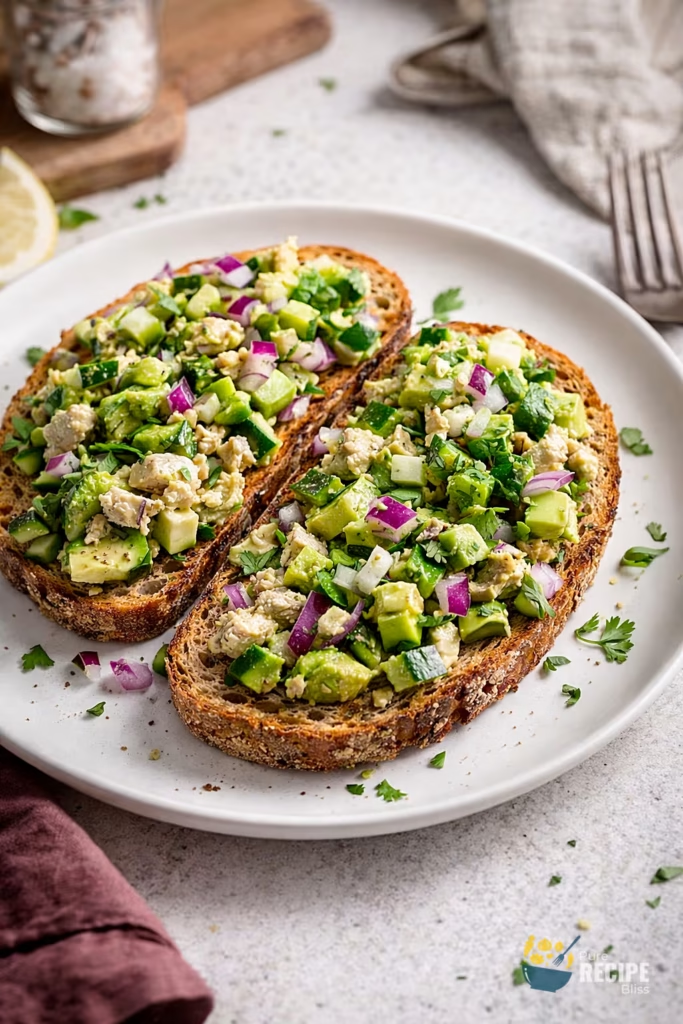
1. Lunch option:
Serve with toasted bread or a croissant for a quick midday meal. It pairs well with a side of lemon slices for extra freshness.
2. Light dinner:
Perfect for evenings when you don’t want heavy food. Serve with a small green salad or roasted vegetables to make it more complete.
3. Snack idea:
Pairs well with tortilla chips or crackers, especially if the avocado is mashed for a dip‑like texture.
4. Party style:
Serve in lettuce cups or on tostadas with a dash of hot sauce. It looks neat and works well for sharing.
5. On‑the‑go meal:
Pack it in a wrap or sandwich for something easy to carry. It stays filling without being messy.
Storage & Reheating Tips:
- How long it keeps: Avocado tuna salad usually stays good for about three to four days in the fridge. I’ve noticed the flavor is best in the first two days, so I try not to keep it longer than that.
- Best storage method: Place the salad in an airtight container and press plastic wrap directly against the surface before sealing. This helps slow down browning of the avocado and keeps the texture fresher.
- Simple reheating advice: Since this is a cold salad, it doesn’t really need reheating. If you want it warm, you can toast bread or heat a wrap and then add the salad on top, which gives a nice contrast without changing the salad itself.
Frequently Asked Questions (FAQ):
-
Can I use chicken instead of tuna?
Yes, shredded chicken works fine and gives the salad a slightly different flavor. I’ve tried it once when I didn’t have tuna, and it still tasted good.
-
Can I make avocado tuna salad ahead of time?
You can prepare it a few hours in advance, but I’ve found it’s best eaten fresh. If you store it, press plastic wrap directly on the surface to slow down browning.
-
What if the avocado turns mushy?
If the avocado is too ripe, it can blend into the salad. I usually keep the pieces firm, but if it gets mushy, I just use it as a spread on toast instead.
-
Is this recipe good for low‑carb diets?
Yes, it works well since it’s mostly protein and healthy fats. Just skip the bread and serve it in lettuce cups or on a salad base.
-
Can I make it spicier?
Adding jalapeños or a sprinkle of chili powder works. I sometimes keep the spice separate so everyone can adjust to their own taste.
Creamy Avocado Tuna Salad
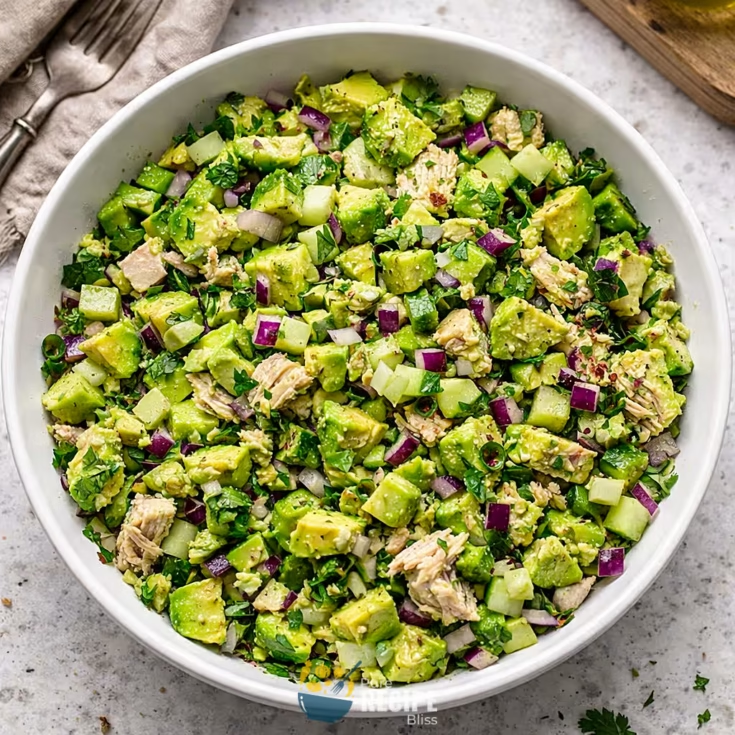
Avocado tuna salad is a quick, creamy, and protein‑rich recipe that works well for lunch, dinner, or even as a snack. It combines ripe avocado with flaky tuna and crunchy vegetables, making it fresh, filling, and easy to prepare without cooking.
Ingredients
- 2 medium ripe avocados, peeled and diced
- 2 (6‑ounce) cans tuna in water, drained and flaked
- ½ small red onion, finely diced
- 2 celery stalks, diced
- ½ large cucumber, diced
- 1 jalapeño pepper, diced (optional)
- 3 tablespoons chopped cilantro
- 2½ tablespoons fresh lemon juice
- 1½ tablespoons olive oil
- ¾ teaspoon kosher salt
- ¼ teaspoon black pepper
Instructions
- Peel and dice 2 medium avocados into small cubes. If you prefer a creamier texture, mash them lightly with a fork before mixing.
- Drain 2 cans (6‑ounce each) tuna in water thoroughly, then flake with a fork into small pieces so it blends evenly with the avocado.
- Dice ½ cucumber, 2 celery stalks, ½ red onion, and 1 jalapeño pepper if using. Keep the cuts small so they add crunch without overpowering the salad.
- In a large mixing bowl, combine the avocado, tuna, and vegetables. Add 2½ tablespoons lemon juice and 1½ tablespoons olive oil, then gently fold everything together until creamy but still chunky.
- Sprinkle in ¾ teaspoon kosher salt and ¼ teaspoon black pepper, then taste and adjust seasoning as needed. Add more lemon juice if the flavor feels flat.
- Serve immediately on toast, in lettuce cups, or with tortilla chips.
Notes
Nutrition Information
Yield 5 Serving Size 1 cupAmount Per Serving Calories 290Total Fat 20gSaturated Fat 3gUnsaturated Fat 17gCholesterol 28mgSodium 520mgCarbohydrates 11gNet Carbohydrates 4gFiber 7gSugar 2gProtein 18g
Percent Daily Values are based on a 2,000‑calorie diet, and your daily needs may be higher or lower depending on your lifestyle. Nutrition information is shared only as a general estimate and may not always be fully accurate. If you follow a special diet or have specific health concerns, it’s best to check with a registered dietitian for personalized guidance.