
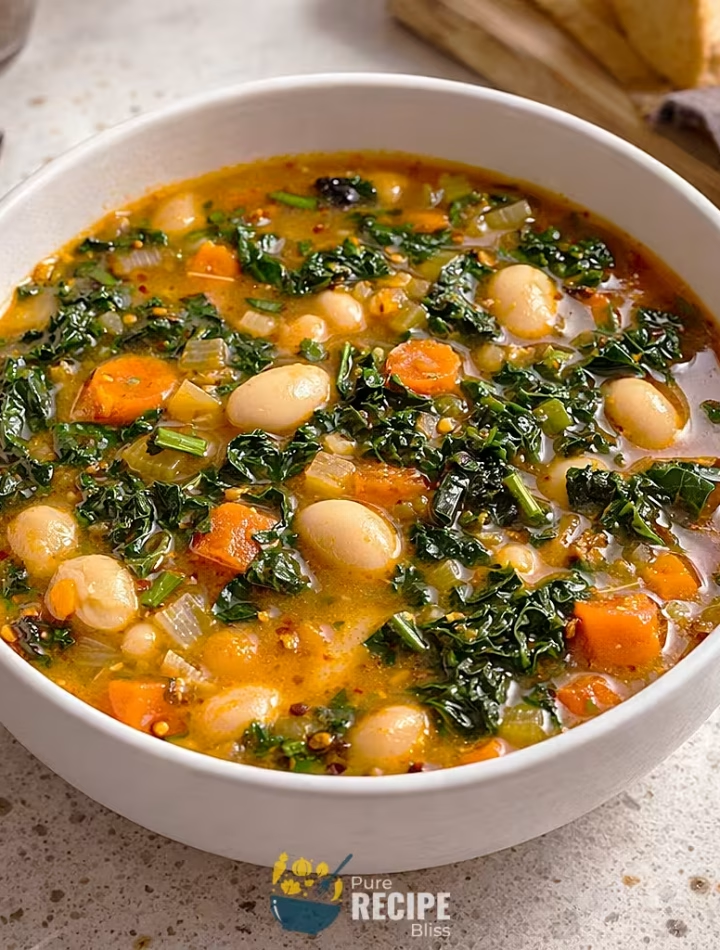
So, when I first tried making Tuscan White Bean Soup at home, I was surprised at how quickly it came together compared to other soups I’ve made. It doesn’t ask for complicated steps, and once everything is simmering, you can just let it do its thing while you get on with other stuff.
I usually think of it as a go‑to dinner recipe because it’s filling and cozy, but honestly, it also works for lunch if you want something warm and satisfying in the middle of the day. It’s the kind of meal that feels easy yet comforting, which is why I keep it in my regular rotation.
What is Tuscan White Bean Soup?
Tuscan White Bean Soup is a classic Italian‑inspired dish that brings together beans, vegetables, and herbs in a simple one‑pot meal. It’s the kind of soup that feels hearty without being heavy, and it usually gets served with a drizzle of olive oil and some bread on the side to make it more filling.
Most people enjoy it as a main course for lunch or dinner because it has enough protein and fiber to keep you satisfied. The beans give it a creamy texture once part of the soup is blended, and the kale adds freshness that balances the richness. It’s a recipe that fits well into everyday cooking but still feels special when you sit down to eat it.
Why You’ll Love This Recipe:
- One‑pot cooking: Everything happens in a single pot, so cleanup is easy and you don’t end up with a pile of dishes. I found this especially helpful on nights when I don’t want to spend extra time in the kitchen.
- Balanced and filling: The beans give you protein and fiber, while the kale adds freshness. It feels hearty enough for dinner but doesn’t leave you feeling heavy afterward.
- Easy to adjust: You can swap the beans or greens depending on what you have at home. I once used spinach instead of kale, and it still tasted great.
- Comfort food vibes: The flavors are warm and cozy, especially with a drizzle of olive oil and bread on the side. It’s the kind of meal that makes you feel taken care of.
- Reliable for busy days: Once the soup is simmering, you don’t have to watch it closely. I usually tidy up or set the table while it cooks, which makes the whole process feel smoother.
Ingredients Needed:

- White beans: These are the base of the soup, and they give it that creamy and filling texture. I usually go with canned cannellini beans because they save time, but you can use Great Northern or butter beans too.
- Onion, carrots, and celery: This trio is what builds the flavor right from the start. When you sauté them together, they create a nice base that makes the soup taste richer.
- Garlic and tomato paste: Garlic adds depth, and tomato paste brings a little tang and color. I’ve noticed that cooking the paste for a minute makes the flavor less sharp and more balanced.
- Vegetable broth: This is what ties everything together. I prefer a good quality broth because it really changes how the soup tastes. If you don’t have broth, water works, but the flavor won’t be as strong.
- Herbs and spices: Bay leaves, sage, rosemary, and a pinch of chili flakes give the soup its cozy flavor. I usually tie the rosemary sprigs with kitchen twine so they’re easy to remove later.
- Kale: Adding kale at the end keeps the soup fresh and adds a nice texture. If you don’t have kale, spinach works fine too.
- Miso paste: This is a little twist that makes the broth taste deeper and slightly savory. Mixing it with a bit of hot soup before adding it back helps it blend smoothly.
- To serve: Fresh parsley, a drizzle of olive oil, and some crusty bread. Honestly, the bread makes it feel like a complete meal, so I always keep it on the side.
💡 Note: For the full ingredient list with exact amounts and measurements, please check the recipe card below.
Kitchen Gadgets & Tools You’ll Need:
- Large soup pot: You’ll need a sturdy pot because everything cooks together in one place. I like using a heavy‑bottomed pot since it keeps the heat even and prevents the veggies from sticking too much.
- Wooden spoon: A simple spoon works best for stirring since it doesn’t scratch the pot. I find it easier to mix tomato paste and miso with a wooden spoon because it blends smoothly without clumping (check it here).
- Sharp knife: Cutting the onion, carrots, and celery is much quicker when the knife is sharp. I once tried with a dull knife, and it made the prep feel way longer than it should (view on Amazon).
- Immersion blender: You’ll only blend part of the soup, so an immersion blender makes it easy without transferring hot liquid to another container. I’ve noticed it saves time and keeps cleanup simple (see the one I use).
- Kitchen twine: This is optional, but tying the rosemary sprigs together makes them easier to remove later. I used to skip this step, and then I’d end up fishing out little leaves from the broth.
Step-By-Step Instructions to Make Tuscan White Bean Soup:
Before starting, one small thing I learned while making this soup at home is that blending just a portion of the beans makes the broth creamy without losing the chunky texture. It’s a little trick that keeps the soup balanced and not too thick.
Step 1: Sauté the base vegetables
Heat some oil in your large soup pot and add the onion, carrots, and celery. Stir them around until the onion looks soft and see‑through. The carrots should start to smell sweet, and the celery gives off a nice aroma. This step builds the flavor foundation.
Step 2: Add garlic and tomato paste
Now mix in the garlic and tomato paste. Keep stirring until the paste blends in and the garlic smells fragrant. The tomato paste will darken slightly, which means it’s cooking out that raw taste.
Step 3: Add beans, herbs, and broth
Pour in the beans along with bay leaves, sage, and rosemary. Then add the broth and stir everything together. Lower the heat so it simmers gently. The soup will start to smell herby and cozy as it cooks.
Step 4: Blend part of the soup
Take out the rosemary and bay leaves, then blend about one‑third of the soup with an immersion blender. This makes the broth creamy while leaving enough chunks for texture. I’ve noticed this step really changes the mouthfeel in a good way.
Step 5: Add miso paste and kale
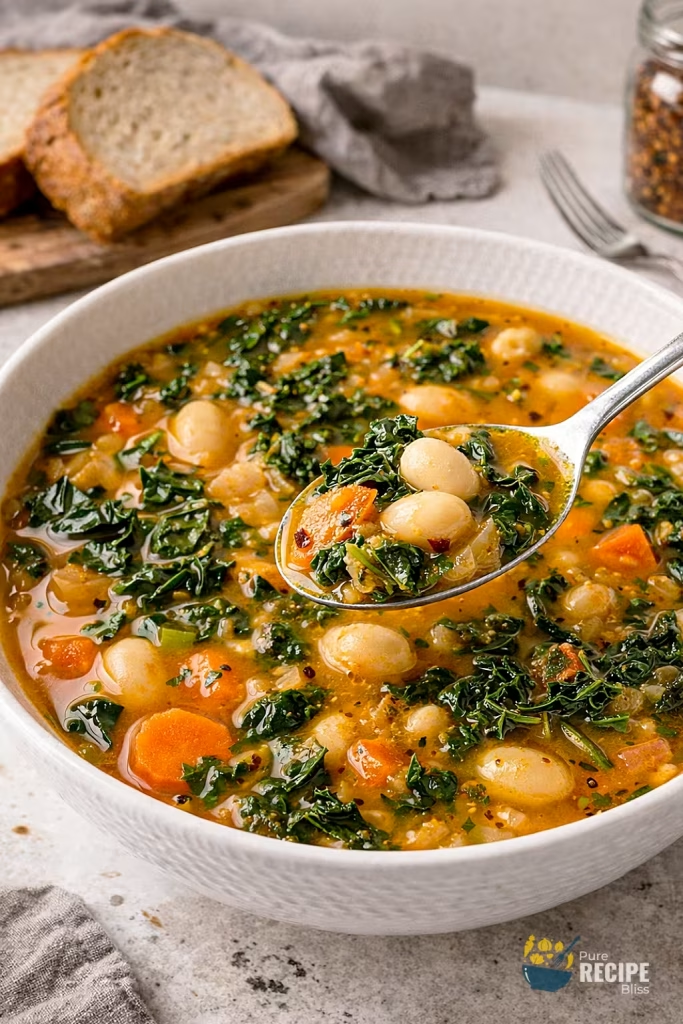
Mix the miso paste with a little hot broth in a small bowl, then stir it back into the soup. Add the chopped kale and let it soften in the hot broth. The kale should look wilted but still bright green.
Step 6: Finish and serve
Taste the soup and adjust with salt, pepper, or chili flakes if you like more heat. Serve it hot with fresh parsley, a drizzle of olive oil, and crusty bread. I always keep extra bread nearby because it’s perfect for dipping.
💡 Note: These steps are just an overview. For detailed quantities, measurements, and exact timings to make this recipe, please check the recipe card below.
Helpful Tips For The Best Results:
- Texture control: Blend only part of the soup so it stays creamy but still has chunks. I once blended too much, and it turned into more of a puree than a soup.
- Heat management: Keep the pot on medium‑low once the broth is added. If the heat is too high, the beans can break down too quickly and lose their shape.
- Herb handling: Tie rosemary sprigs with kitchen twine before adding them. It saves you from fishing out stray leaves later.
- Ingredient swaps: If you don’t have kale, spinach works fine. I’ve tried it, and the flavor stays fresh without changing the overall balance.
- Seasoning check: Taste at the end and adjust with salt or chili flakes. I noticed the miso adds saltiness, so it’s better to wait before adding extra.
Tasty Variations to Try:
- Smoky flavor: Add a pinch of smoked paprika for a deeper taste. It gives the soup a subtle smoky note that pairs well with beans.
- Protein boost: Stir in cooked quinoa or barley if you want more texture and extra protein. I’ve done this when serving it as a main dinner dish.
- Seasonal greens: Swap kale for Swiss chard in spring or spinach in summer. It keeps the soup flexible with what’s available.
- Spicy kick: Use more chili flakes or even a splash of hot sauce if you like heat. I sometimes add it when serving to friends who enjoy spicier food.
- Creamy twist: Mix in a spoonful of coconut milk at the end for a slightly richer broth. It changes the flavor in a nice way without overpowering the herbs.
Serving Suggestions:
- Best time to enjoy: Tuscan White Bean Soup works perfectly for dinner because it’s filling, but I also like it for lunch when I want something warm and satisfying without being too heavy.
- Pairs well with bread: Serve with crusty sourdough or a baguette. I always keep extra slices nearby since dipping into the broth makes the meal feel complete.
- Add a fresh touch: Sprinkle chopped parsley and drizzle olive oil before serving. It brightens the flavor and makes the bowl look more inviting.
- Simple side ideas: Pairs well with a light salad or roasted vegetables. I sometimes add a small green salad to balance the richness of the soup.
Storage & Reheating Tips:
- How long it keeps: Tuscan White Bean Soup stays good in the fridge for about three days. I’ve noticed the flavors actually get stronger the next day, which makes leftovers taste even better.
- Best storage method: Store the soup in an airtight container once it cools down. I usually divide it into smaller portions so it’s easier to reheat later without warming the whole batch.
- Simple reheating advice: Warm it gently on the stove over low heat, stirring now and then. If it looks too thick, add a splash of broth or water to bring back the right texture.
Frequently Asked Questions (FAQ):
-
Can I use different beans?
Yes, you can swap cannellini beans for Great Northern or butter beans. I’ve tried different types, and the texture changes slightly but the soup still tastes great.
-
Can I make it ahead of time?
Tuscan White Bean Soup reheats well, so you can cook it earlier in the day and warm it up before serving. I usually store it in smaller containers to make reheating easier.
-
What if the soup feels too thick?
Just add a splash of broth or water while reheating. I’ve noticed this brings back the right consistency without affecting the flavor.
-
Is it gluten‑free and vegan?
Yes, the soup is naturally vegan and gluten‑free. Just make sure the bread you serve with it matches your dietary needs.
-
Can I skip the miso paste?
You can leave it out if you don’t have it, but the flavor won’t be as deep. I sometimes replace it with a little soy sauce for a similar savory note.
Tuscan White Bean Soup
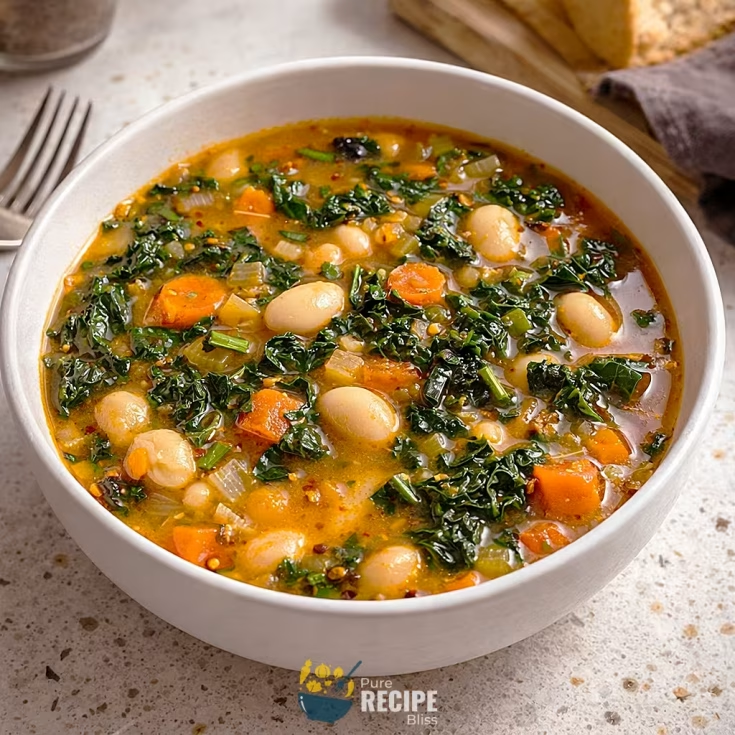
This Tuscan White Bean Soup is cozy, filling, and simple to make. It’s a one‑pot recipe that brings together beans, vegetables, and herbs for a nourishing meal that feels homemade and comforting.
Ingredients
- 2 tablespoons olive oil (or avocado oil)
- 31 oz white beans (cannellini, Great Northern, or butter beans)
- 2 medium carrots, sliced
- 2 bay leaves
- 1 tablespoon miso paste
- 3 ribs celery, sliced
- 1 small onion, diced
- 4 cloves garlic, minced
- 2 tablespoons tomato paste
- 5 cups vegetable broth (or vegan chicken broth)
- 3 cups kale, finely chopped
- 1 teaspoon dried sage
- 2 sprigs rosemary, tied with kitchen twine
- 1 pinch red chili flakes
- Salt and pepper to taste
- Fresh parsley, chopped (for serving)
- Olive oil drizzle (for serving)
- Crusty bread slices (sourdough or baguette, gluten‑free if needed)
Instructions
- Heat 2 tablespoons olive oil in a large soup pot over medium heat. Add 1 small diced onion, 2 medium sliced carrots, and 3 sliced celery ribs. Cook for about 5–6 minutes until onion turns translucent and carrots begin to soften.
- Stir in 4 minced garlic cloves, 2 tablespoons tomato paste, and a pinch of red chili flakes. Cook for 1-2 minutes until garlic smells fragrant and tomato paste darkens slightly.
- Add 31 oz white beans, 2 bay leaves, 1 teaspoon dried sage, and 2 tied rosemary sprigs. Pour in 5 cups vegetable broth and stir well. Lower heat to medium‑low and simmer for 25 minutes until vegetables are tender.
- Remove bay leaves and rosemary sprigs. Blend about one‑third of the soup with an immersion blender to create a creamy texture while leaving chunks intact.
- In a small bowl, mix 1 tablespoon miso paste with ⅓ cup hot broth until smooth. Stir this mixture back into the soup. Add 3 cups finely chopped kale and simmer for 10-15 minutes until wilted but still bright green.
- Taste and adjust seasoning with salt and pepper. Serve hot with chopped parsley, a drizzle of olive oil, and crusty bread slices on the side.
Notes
Nutrition Information
Yield 4 Serving Size 1 bowlAmount Per Serving Calories 290Total Fat 8gSaturated Fat 1gTrans Fat 0gUnsaturated Fat 7gCholesterol 0mgSodium 780mgCarbohydrates 42gNet Carbohydrates 31gFiber 11gSugar 5gSugar Alcohols 0gProtein 14g
Percent Daily Values are based on a 2,000‑calorie diet, and your daily needs may be higher or lower depending on your lifestyle. Nutrition information is shared only as a general estimate and may not always be fully accurate. If you follow a special diet or have specific health concerns, it’s best to check with a registered dietitian for personalized guidance.